Do Dogs Sense Spice?
Explore how dogs perceive spicy sensations, why they react negatively, and safe feeding practices for optimal canine health.
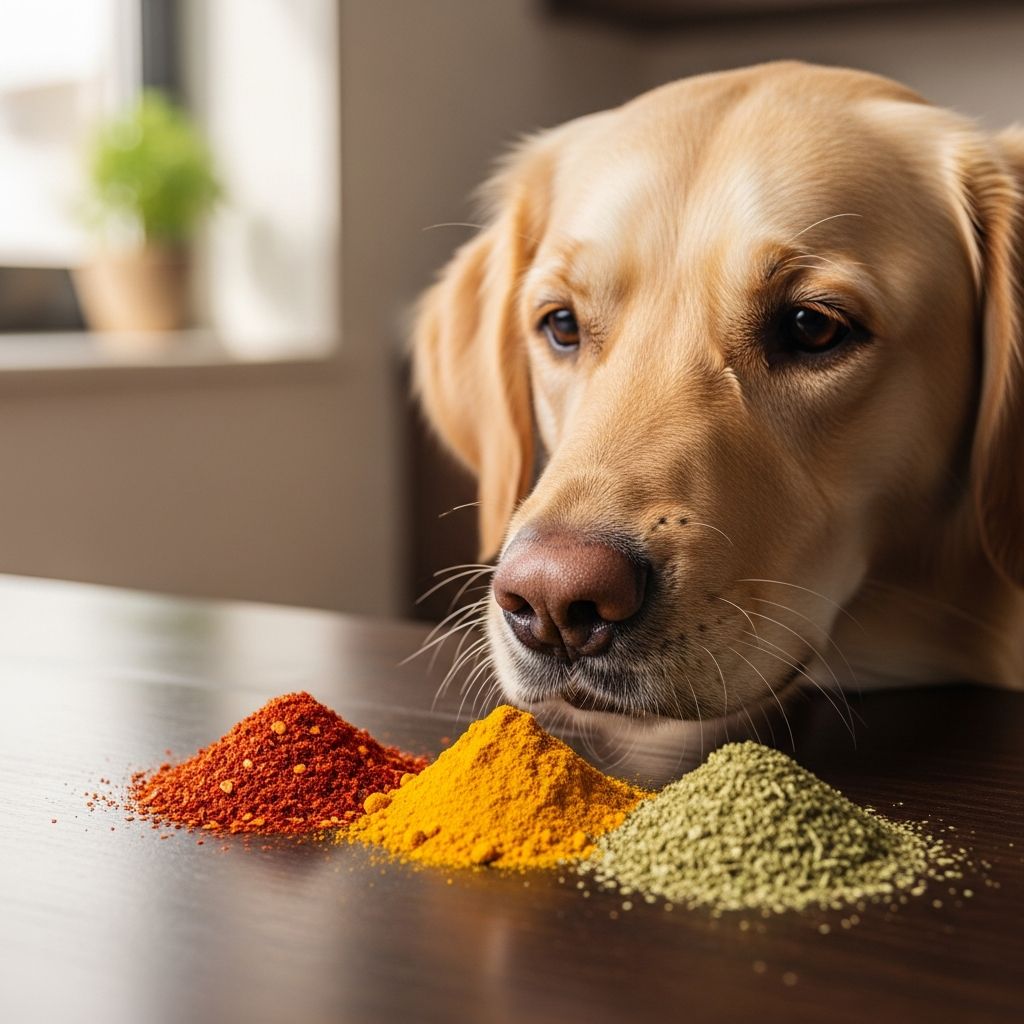
Dogs experience spicy foods not as a flavor but as an irritating burn through specialized pain receptors, leading to discomfort rather than enjoyment. This reaction stems from their biology, making such foods unsuitable for regular consumption.
The Science of Canine Taste Perception
Canine taste systems differ markedly from human ones. Adult dogs possess approximately 1,700 taste buds, significantly fewer than the 9,000 found in humans. This limited number restricts their flavor detection to primary categories: sweet, sour, salty, bitter, and umami. Notably, dogs show heightened sensitivity to umami, which aligns with their carnivorous preferences for meaty profiles, while salt elicits a milder response.
Spiciness, however, defies classification as a taste. It arises from capsaicin, a compound prevalent in peppers of the Capsicum genus. This molecule evolved as a plant defense against mammals, activating the TRPV1 receptor—a sensor for heat and pain. Both dogs and humans share this receptor, triggering a burning sensation upon contact. For dogs, lacking cultural associations that frame spice as pleasurable, this manifests purely as distress.
Physiological Reactions to Capsaicin in Dogs
When dogs encounter capsaicin, TRPV1 activation in the mouth, throat, and digestive tract provokes immediate responses. Common signs include excessive drooling, pawing at the mouth, head shaking, and frantic water-seeking behavior. These indicate acute irritation rather than flavor appreciation.
Beyond oral discomfort, capsaicin travels through the gastrointestinal system, exacerbating issues. It irritates stomach lining, potentially causing inflammation, nausea, vomiting, diarrhea, and flatulence. Smaller breeds or those with sensitive digestion face amplified risks, where even trace amounts provoke prolonged upset. Long-term exposure might foster conditioned aversions, where dogs shun associated scents or foods, complicating nutrition.
Health Risks Beyond the Burn
Spicy dishes often compound dangers with toxic additives. Onions, garlic, chives—frequent in seasoned meals—contain compounds damaging red blood cells, risking hemolytic anemia. Nutmeg and cocoa introduce neurotoxins, while excessive fats and salts strain hearts and pancreases.
| Common Spicy Food Ingredient | Primary Risk to Dogs | Symptoms |
|---|---|---|
| Onions/Garlic | Hemolytic anemia | Lethargy, pale gums, rapid breathing |
| Nutmeg | Neurotoxicity | Tremors, seizures, disorientation |
| High Fat Content | Pancreatitis | Vomiting, abdominal pain, fever |
| Capsaicin | GI irritation | Diarrhea, gas, dehydration |
This table highlights why holistic avoidance proves prudent. Veterinary intervention becomes necessary for severe cases, involving fluids, anti-emetics, and monitoring.
Safe Flavor Alternatives for Canine Diets
Enhance meals without risks using dog-friendly herbs. These provide aroma and mild taste, supporting digestion and health.
- Cinnamon: Aids blood sugar regulation; use sparingly.
- Dill: Eases gas; fresh or dried in moderation.
- Parsley: Freshens breath, supplies vitamins.
- Peppermint: Soothes stomachs; avoid essential oils.
- Sage: Anti-inflammatory; small pinches suffice.
- Thyme: Antimicrobial properties; non-Spanish varieties only.
Incorporate via toppers or homemade treats. For instance, blend yogurt with parsley for frozen bites, ensuring plain, low-fat bases to sidestep lactose issues prevalent in adults.
Myths and Misconceptions About Dogs and Spice
A persistent myth posits dogs relish spice, fueled by begging behaviors. In truth, they seek meaty aromas, not heat. Videos of dogs consuming peppers often edit out subsequent distress.
Another fallacy: tiny amounts harmless. Yet, capsaicin potency scales inversely with dog size; micro-doses suffice for irritation. Deterrent sprays warrant caution—overuse risks aversion to vital items like toys.
Emergency Response to Accidental Ingestion
Should spice exposure occur, act swiftly. Offer cool water or milk—though lactose intolerance limits latter’s utility—to dilute capsaicin. Avoid inducing vomit sans vet guidance, as esophageal burns loom.
Monitor for escalation: persistent vomiting, bloody stools, lethargy signal professional care. Vets may administer protectants or diagnostics.
Understanding Evolutionary Taste Differences
Dogs’ taste profiles reflect ancestry. As scavengers, umami primacy ensured nutrient-dense intake. Absent spice evolution in prey, TRPV1 serves injury detection, not culinary delight.
Comparative studies affirm: cats lack sweet receptors, underscoring species adaptations. Dogs uniquely taste water via specialized buds, irrelevant to spice discourse.
Practical Tips for Spice-Free Kitchens
- Store seasonings elevated, in sealed containers.
- Train ‘leave it’ commands rigorously.
- Supervise multi-pet homes, preventing scavenging.
- Opt commercial foods sans spice profiles.
- Educate households on risks, especially kids.
Frequently Asked Questions
Can a small lick of spicy food harm my dog?
Typically not fatally, but expect oral irritation and GI upset lasting hours to days. Size and sensitivity dictate severity.
Why do some dogs seem to tolerate spice?
Individual TRPV1 variations exist; breeds like those with robust digestion may mask milder reactions outwardly.
Are there spicy dog treats on the market?
Rarely true spice; most mimic via safe scents. Verify labels for capsaicin absence.
Does cooking neutralize capsaicin for dogs?
No—heat activates, doesn’t destroy it. Concentrations persist.
How to flavor bland kibble safely?
Add bone broth, pumpkin, or listed herbs. Consult nutritionists for balances.
Long-Term Nutritional Strategies
Prioritize balanced diets emphasizing proteins, veggies, and grains sans irritants. Rotate proteins averting allergies; supplement omega-3s for skin health. Annual vet checkups gauge tolerances.
Homemade diets demand formulation precision—excesses risk deficiencies. Professional recipes ensure completeness.
In summary, while dogs sense spice via pain pathways, benefits elude while hazards abound. Embrace tailored, mild enhancements fostering vitality.
References
- Can Dogs Taste Spicy Foods? — Whole Dog Journal. 2023-10-15. https://www.whole-dog-journal.com/food/can-dogs-taste-spicy-foods/
- Can My Dog Eat Spicy Food? — Taste of the Wild Pet Food. 2024-02-20. https://www.tasteofthewildpetfood.com/articles/can-my-dog-eat-that/spicy-food/
- Pepper Problems – Why Dogs Don’t Do Heat — Bark & Whiskers. 2025-10-01. https://www.barkandwhiskers.com/content/files/2025/10/dogs-spicy-food.pdf
- Can Dogs Taste Spicy Food, and Do They Like It? — Rover. 2023-05-10. https://www.rover.com/blog/can-dogs-taste-spicy-food-like/
- Transient Receptor Potential Channels and the Regulation of Taste — National Institutes of Health (PubMed). 2019-07-15. https://pubmed.ncbi.nlm.nih.gov/31266230/
Similar Articles








Read full bio of Sneha Tete