

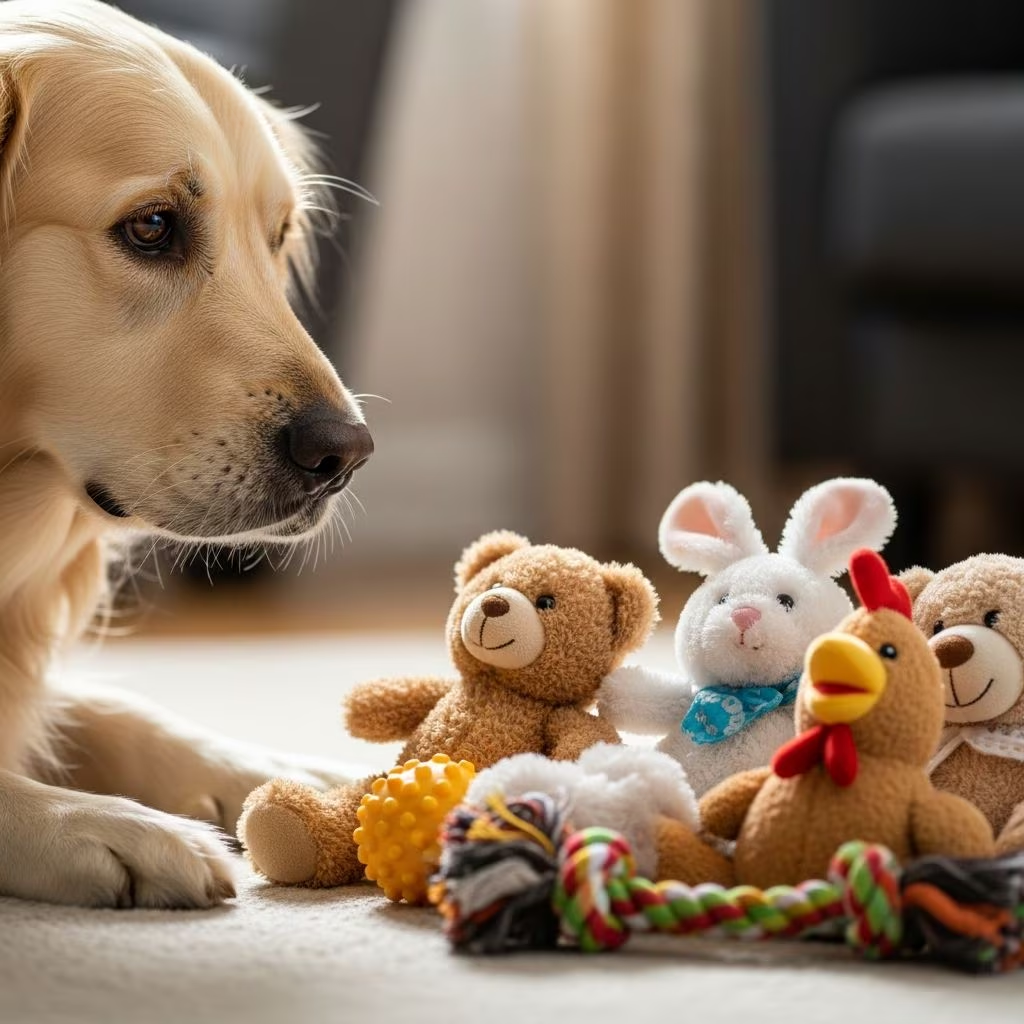
Dogs often display profound affection toward stuffed animals, carrying them gently, grooming them, or guarding them fiercely, raising the question of whether they perceive these plush items as living beings. This behavior stems from a mix of evolutionary instincts, sensory appeal, and emotional needs, as supported by observations in canine psychology.
The Instinctual Roots of Plush Toy Fascination
At the core of a dog’s attraction to soft toys lies their ancestral heritage as hunters. Wild canids, including wolves, engage in predatory sequences where they chase, capture, and manipulate small prey using a characteristic ‘kill shake.’ Plush toys, with their floppy limbs and yielding textures, perfectly mimic this prey profile, triggering these hardwired responses without real-world risks.
This prey drive explains why dogs vigorously shake or chew stuffed items. The motion and give of the toy replicate the struggle of a caught animal, providing a safe outlet for pent-up energy. Certain breeds, like terriers bred for vermin hunting, show amplified responses, but it’s universal across most dogs.
Maternal and Nurturing Behaviors in Play
Beyond hunting simulations, many dogs exhibit caregiving actions toward plush toys, particularly females but also males. They may delicately transport the toy in their mouths, arrange it in a nest-like bed, or lick it as if cleaning offspring. This mirrors maternal instincts, where even spayed dogs or those without litters display protective tenderness.
Such actions suggest plush toys fulfill a nurturing void. For instance, a dog separated early from puppies might redirect instincts onto a soft companion, treating it with the same vigilance as real young. Owners frequently report dogs ‘mothering’ specific toys, carrying them to sleep or growling at perceived threats.
- Gentle carrying and placement in safe spots
- Protective guarding from other pets or people
- Grooming through licking or nuzzling
- Inclusion in daily routines like walks or meals
Sensory Appeal: Why Softness Captivates
The tactile qualities of plush materials play a pivotal role. Dogs possess highly sensitive mouths with over 1,700 taste buds—far more than humans—and relish the plush give against teeth and gums. This sensation offers teething relief for puppies, gentle jaw exercise for seniors, and calming pressure for anxious pets.
Soft textures also evoke comfort akin to littermates’ fur or a mother’s side. Squeaky elements within some toys amplify appeal by imitating prey distress calls, heightening engagement. Visual cues, like realistic shapes or colors, further enhance the illusion, making the toy seem lifelike during interaction.
Emotional Attachments: Toys as Security Objects
Research draws parallels between dogs’ toy bonds and children’s security blankets. A University of Bristol study investigates canine emotional attachments to specific toys, noting behaviors like irreplaceable comfort-seeking, similar to human kids treating objects as sentient.
Twin studies in children indicate attachment toy preference is roughly 50% genetic and 50% environmental, with factors like separation from caregivers boosting likelihood. Dogs likely follow suit, forming bonds during stress—thunderstorms, isolation, or routine changes—releasing endorphins via carrying or cuddling.
In multi-pet homes, these attachments reduce rivalry by assigning ‘personal’ toys, fostering peace. Owners often bring such items to boarding, where dogs clutch them for reassurance, underscoring their role in emotional regulation.
Cognitive and Developmental Advantages
Plush toys transcend mere comfort, stimulating mental growth. Manipulating them hones problem-solving, like balancing multiple toys or retrieving hidden ones, while varied textures engage senses and build memory.
For puppies, they aid jaw development and teething; for seniors, low-impact play preserves mobility. Anxious dogs benefit from repetitive motions that lower cortisol. Overall, these toys enrich cognitive health, mirroring how pets enhance child development through responsive interaction.
| Life Stage | Plush Toy Benefits |
|---|---|
| Puppies | Teething relief, sensory exploration, social learning |
| Adults | Stress relief, instinct satisfaction, mental stimulation |
| Seniors | Gentle exercise, comfort, cognitive maintenance |
Social Dynamics and Pack Interactions
Toys influence group behavior, signaling hierarchy via possession. A dog claiming a plush asserts status, while sharing teaches cooperation. In packs, individual toys minimize conflict, each pet having a ‘favorite’ for solo comfort.
This mirrors wild canid resource guarding, but domestication tempers it into play. Training enhances positive traits, turning potential aggression cues into bonding opportunities.
Debunking Myths About Plush Play
Several misconceptions cloud understanding:
- Destruction inevitability: Not all dogs shred toys; durable plush with reinforced seams lasts for many, matched to chew style.
- Aggression trigger: Toys reveal, not cause, territoriality; supervision and training mitigate.
- Gender exclusivity: Both sexes adore soft toys equally, driven by individual temperament.
Far from harmful, plush play boosts well-being when monitored.
Choosing the Ideal Plush Companion
Select based on size, durability, and features:
- Small for gentle carriers, larger for shakers
- Non-toxic, machine-washable materials
- Squeakers or crinkles for extra stimulation
- Realistic designs to maximize instinct trigger
Rotate toys to sustain interest, preventing boredom.
Enhancing Bonds Through Toy Play
Incorporate toys into training: use as rewards, teach fetch variants, or hide-and-seek games. This deepens human-dog connection, leveraging toys’ emotional pull.
Observe your dog’s preferences—some favor fish shapes for aquatic prey mimicry, others classic bears—to tailor enrichment.
Frequently Asked Questions
Why does my dog sleep with a stuffed toy?
Dogs view plush toys as security objects, providing comfort like a pack mate, especially during owner absence or stress.
Is it normal for male dogs to nurture toys?
Yes, nurturing transcends gender; instincts drive both sexes to care for plush items.
Can plush toys reduce separation anxiety?
Absolutely, carrying or nesting with toys releases calming endorphins, easing distress from isolation.
What if my dog destroys every soft toy?
Opt for heavy-duty plush or supervise play; alternatives like rubber toys satisfy similar needs.
Do all dogs form toy attachments?
No, like in children, genetics and environment influence; about half show strong bonds.
References
- Why Dogs Love Stuffed Animals: Psychology & Best Plush Toys Guide — Official Floppy Fish. 2023. https://officialfloppyfish.com/blogs/pet-toy-guides-blogs/why-dogs-like-stuffed-animals-plush-toys
- Study to look at a dog’s emotional attachment to toys — Phys.org. 2019-01-24. https://phys.org/news/2019-01-dog-emotional-toys.html
- Spotlight on the psychological basis of childhood pet attachment — PMC (NCBI). 2019-06-20. https://pmc.ncbi.nlm.nih.gov/articles/PMC6610550/
- Owner’s Guide to The Psychology Of Dogs and Their Dog Toys — Holiday Barn. N/A. https://holidaybarn.com/blog/psychology-of-dogs-and-toys/
- Why We Love Attachment Theory Toys for Dogs — Chuck & Don’s. N/A. https://chuckanddons.com/pages/attachment-theory
- January: dog-study — University of Bristol. 2019. https://www.bristol.ac.uk/news/2019/january/dog-study.html



