

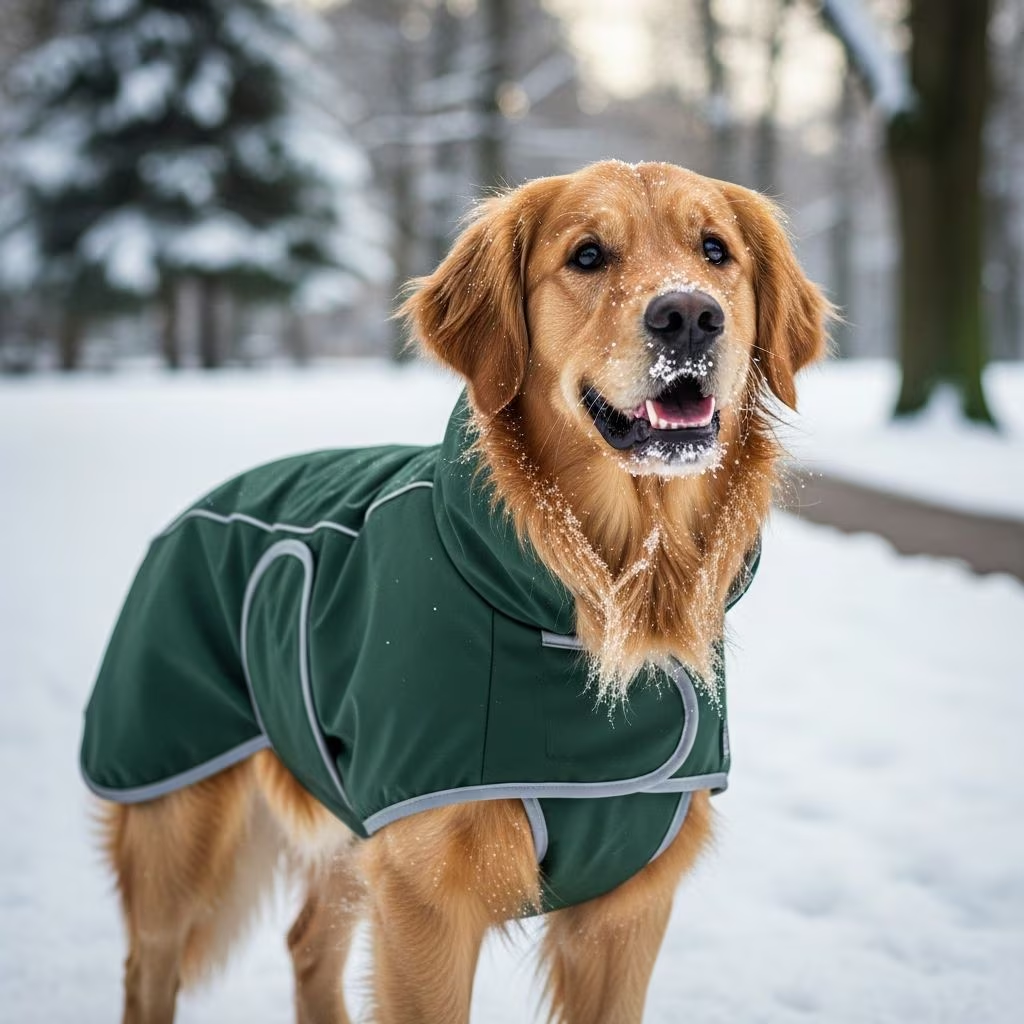
Dog coats provide crucial insulation for vulnerable pets in cold weather by trapping body heat and blocking wind, making them beneficial for short-haired breeds, seniors, puppies, and those with health issues.
Understanding Canine Thermoregulation
Dogs regulate body temperature through their coats, panting, and metabolic processes, but not all are equally equipped for harsh winters. Breeds with thick double coats like Huskies naturally insulate well, while others rely on external help. Small dogs lose heat faster due to higher surface-to-volume ratios, and thin-coated breeds like Greyhounds shiver quickly in low temperatures.
Environmental factors amplify needs: wind chill drops effective temperatures dramatically, and wet fur loses insulating properties. Urban dogs facing rain, mud, or salted roads benefit from protective layers beyond mere warmth.
Key Factors Determining Coat Necessity
Several variables influence whether your dog requires outerwear. Consider these elements systematically:
- Breed and Coat Type: Short or single-coated dogs (e.g., Boxers, Whippets) need coats below 45°F (7°C), as they lack undercoats for trapping air.
- Age: Puppies under 6 months and seniors over 7 years have immature or declining thermoregulation, increasing hypothermia risk.
- Health Status: Conditions like hypothyroidism, arthritis, or post-surgery recovery impair heat generation; coats conserve energy for healing.
- Activity Level: High-energy dogs generate heat through movement but need protection during cooldowns; low-activity pets require constant insulation.
- Climate and Exposure: Northern regions with sub-zero temps or prolonged outings demand gear; indoor dogs may only need it for potty breaks.
| Factor | Dogs That Benefit Most | Typical Temp Threshold |
|---|---|---|
| Breed/Coat | Short-haired, thin breeds | Below 45°F |
| Age | Puppies, seniors | Below 50°F |
| Health | Arthritis, metabolic issues | Any cold exposure |
| Activity | Low-energy, stationary | Below 40°F |
Proven Benefits of Dog Coats
Coats trap a microclimate of warm air next to the skin, mimicking natural insulation. Thermal imaging confirms reduced heat loss from the torso and belly, allowing longer safe outdoor time. Reflective materials in advanced designs bounce body heat inward, enhancing efficiency.
Beyond warmth, coats offer multifaceted protection:
- Safety: Reflective strips boost visibility in low-light urban settings, reducing accident risks.
- Cleanliness: Waterproof barriers repel mud, rain, and salt, simplifying post-walk cleanup.
- Health Support: Warming aids muscle recovery post-exercise and eases joint pain in arthritic dogs.
- Comfort: Shields from abrasions on rough terrain or irritants like road salt.
For active lifestyles, breathable panels prevent overheating, while insulated fills suit static scenarios like waiting at bus stops.
Types of Coats for Different Needs
Select based on weather and use case. Here’s a breakdown:
- Insulated Parkas: Thick padding for extreme cold; ideal for static activities or thin-coated dogs.
- Windproof Shells: Lightweight blockers for mild chill or active hikes; often packable.
- Waterproof Overalls: Full coverage against rain/mud; great for wet climates.
- Reflective Vests: Minimalist safety gear for visibility-focused needs.
- Recovery Sweaters: Fleece for post-swim or indoor warmth.
Prioritize breathability via mesh vents for furry or energetic dogs to avoid trapped moisture.
How to Choose and Fit the Right Coat
Proper fit prevents chafing and ensures coverage. Measure from neck base to tail base, plus girth behind front legs. Adjustable straps accommodate varying builds.
- Assess needs via factors above.
- Choose material: Nylon/polyester for durability, fleece for softness.
- Test fit: Snug but not restrictive; dog should move freely, lie down easily.
- Check features: Leash openings, harness compatibility, machine-washable.
- Layering: Pair thin base layers under shells for versatility.
Introduce gradually with positive reinforcement to build comfort.
Care and Maintenance Tips
Extend gear life with routine care: Shake off debris post-use, machine-wash on gentle cycles, air-dry away from heat. Inspect for wear, especially straps and seams. Store flat in off-seasons to avoid creases.
Monitor for overheating signs like heavy panting; remove if temps rise. Cleanliness prevents skin issues from trapped dirt.
Common Myths About Dog Apparel
- Myth: All dogs are fine coatless. Reality: Vulnerable groups suffer without aid.
- Myth: Coats make dogs dependent. Reality: They supplement natural abilities, not replace them.
- Myth: Thick-coated breeds never need them. Reality: Wet or aged dogs still benefit.
FAQs
What temperature requires a dog coat?
Generally below 45°F for at-risk dogs; observe shivering as a cue.
Can coats prevent hypothermia?
Yes, by retaining heat during exposure, especially for small or ill pets.
Are dog coats machine-washable?
Most are; use gentle cycles and air-dry.
Do active dogs need coats?
Yes for wind/rain protection and cooldowns, but choose breathable styles.
How often should I replace a dog coat?
Annually if heavily used; check for tears or lost insulation.
References
- Do Dog Jackets Really Work — Canada Pooch. 2023. https://canadapooch.com/blogs/news/do-dog-jackets-really-work
- Top 5 Reasons the Modern Dog Can Benefit from Apparel — Hurtta. 2023. https://www.hurtta247.com/single-post/top-5-reasons-the-modern-dog-can-benefit-from-apparel
- Factors to Consider When Deciding If Your Dog Should Wear a Coat — Chilly Dog Sweaters. 2024. https://chillydogsweaters.com/faq/factors-to-consider-when-deciding-if-your-dog-should-wear-a-coat/
- Five Reasons Your Dog Might Really Benefit from Canine Clothing — APDT. 2023. https://www.apdt.co.uk/post/five-reasons-your-dog-might-really-benefit-from-canine-clothing
- Does Your Dog Need a Coat? — AKC Pet Insurance. 2024. https://www.akcpetinsurance.com/blog/does-your-dog-need-a-coat
- Do Some Breeds Actually Need Dog Coats? — PetMD. 2024. https://www.petmd.com/dog/pet-lover/do-some-breeds-actually-need-dog-coats



