

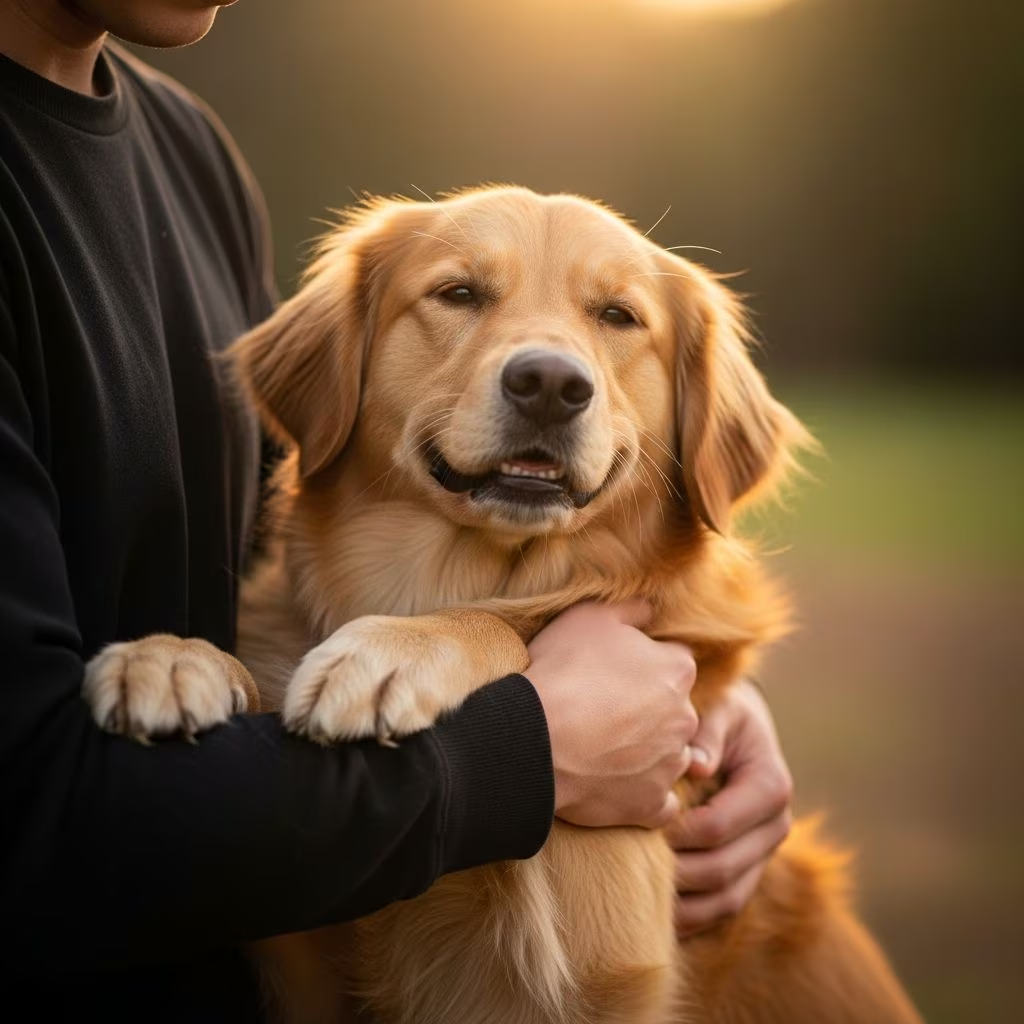
Many pet parents love the idea of scooping their dog into their arms, but whether dogs actually enjoy being picked up depends on the individual dog, their past experiences, and how they are handled. While some dogs relax into a cuddle, others find being lifted confusing, stressful, or even painful, especially if they associate handling with discomfort or loss of control.
Understanding how your dog really feels about being picked up starts with learning to read their body language, recognizing signs of fear or anxiety, and adjusting how you interact with them so that they feel safe and respected.
Do Dogs Like Being Picked Up?
There is no one-size-fits-all answer. The question, “Do dogs like being picked up?” is better phrased as, “Does this particular dog feel safe and comfortable when lifted?”
Dogs evolved as ground-dwelling animals that rely heavily on having their paws firmly on the floor to move away from threats. Having their feet suddenly leave the ground can feel unnatural and may trigger a stress or fear response in some dogs, especially if it happens without warning or consent.
- Some dogs enjoy it: They lean into you, relax their muscles, lick your face, or even fall asleep in your arms.
- Some tolerate it: They do not fight but appear stiff or neutral, showing few overt signs of pleasure.
- Some dislike or fear it: They tense, squirm, avoid you, or show clear anxiety or defensive signals.
Whether a dog enjoys being picked up is influenced by multiple factors, including personality, socialization, breed, age, and pain or medical issues.
Why Some Dogs Dislike Being Picked Up
To understand why a dog might resist being lifted, it helps to consider things from their perspective. Being picked up can limit their ability to move away, and that loss of control can be deeply uncomfortable for many animals.
Common Reasons Dogs Resist Being Picked Up
- Loss of control: Dogs usually prefer having the option to walk away from anything that scares or worries them. Being lifted removes that choice.
- Past negative experiences: Dogs who were grabbed roughly, dropped, or mishandled may associate lifting with fear or pain.
- Insufficient socialization to handling: Puppies that were not gently and regularly handled in a positive way may find being picked up alarming later in life.
- Medical or physical discomfort: Joint disease, back problems, abdominal pain, or healing injuries can make lifting physically painful, even if the dog trusts you.
- Startle response: If you suddenly grab or lift a dog without warning, they may react defensively simply because they were startled.
For many dogs, being picked up is not about affection at all; it is about how safe and in-control they feel in that moment. Your dog may love you and still dislike being carried.
Reading Your Dog’s Body Language When You Pick Them Up
Dogs communicate primarily through body language, and recognizing early signs of stress can help you understand how they truly feel about being held.
When you reach toward your dog, lift them, or hold them, pay attention to their posture, face, breathing, and movement. Subtle changes often speak louder than obvious ones.
Possible Signs Your Dog is Comfortable Being Held
- Loose, relaxed muscles instead of stiff limbs.
- Soft eyes, normal blinking, no hard stare.
- Neutral or softly wagging tail (not tightly tucked or rigid).
- Leaning into you or resting their head calmly against you.
- Normal breathing, no sudden panting or holding their breath.
Common Signs of Stress or Anxiety When Picking Up a Dog
Research and clinical observations show that anxious dogs often display subtle cues before more obvious reactions like growling or biting.
- Lip licking when there is no food around.
- Yawning outside of sleepiness or boredom.
- Avoiding eye contact or turning their head away from you.
- Tucking the tail under the body or keeping it low and tight.
- Pacing, trembling, or trying to hide when you approach.
- Freezing or becoming very still as you lift them.
- Whining, whimpering, or growling as you pick them up or while you hold them.
If you notice these signals when you reach for your dog or hold them, they are communicating that they are uncomfortable, worried, or afraid.
How to Tell if Your Dog Doesn’t Like Being Picked Up
Identifying your dog’s personal boundaries is essential for both safety and trust. While every dog is unique, there are recurring patterns in how dogs show that they do not want to be picked up.
| Behavior | What It Might Mean |
|---|---|
| Moving away when you reach toward them | They are trying to avoid being picked up and prefer space. |
| Squirming or pushing against your chest | They feel trapped or unsafe and want to get back to the ground. |
| Body stiffening as you lift | They are anxious or unsure, even if they are not vocalizing. |
| Whining, whimpering, or growling | They are clearly telling you they are uncomfortable or fearful. |
| Tail tucked tightly, ears pinned back | Classic signs of fear or high anxiety, especially in unfamiliar situations. |
If you routinely see more signs of stress than comfort when you pick up your dog, it is a clear signal that you should change how you show affection and limit or modify how often you lift them.
Small Dogs vs. Large Dogs
Size often shapes our handling habits. Small dogs are more likely to be picked up simply because they are easier to lift, while large dogs rarely experience being carried at all. That difference can influence how dogs feel about being picked up.
- Small dogs: They may be picked up frequently to be moved, comforted, or kept out of danger. Some become used to it and enjoy the closeness. Others may grow to dislike it if they are constantly lifted without warning or allowed to say no.
- Medium and large dogs: They are rarely carried, so when someone does attempt to lift them, it can feel completely alien. Because of their size and weight, lifting them can also be unsafe for both the dog and the person if done incorrectly.
Regardless of size, the priority should always be safety, consent, and comfort. Never assume a small dog likes being carried just because it is physically possible.
Health and Safety Considerations
Before regularly picking up your dog, consider any underlying medical issues that could make lifting uncomfortable. Undiagnosed pain is a common but often overlooked reason for sudden aggression or increased anxiety during handling.
When Being Picked Up Might Hurt
- Joint disease or arthritis: Older dogs or dogs with joint conditions may experience pain when pressure is applied to their legs, hips, or spine.
- Back or neck problems: Breeds with long backs or a predisposition to spinal disease can be especially sensitive to being lifted without proper support.
- Abdominal pain or internal illness: Pressure under the chest or belly can be painful for dogs with gastrointestinal, liver, or other internal issues.
- Recent surgery or injury: Post-operative dogs or those healing from trauma may react strongly when handled in areas that hurt.
If your dog suddenly objects to being picked up, or if handling them in certain ways seems to cause pain, consult your veterinarian to rule out a medical problem.
How to Pick Up a Dog Safely and Kindly
When lifting a dog is necessary — for example, to help them into a car, onto a grooming table, or out of a dangerous situation — using safe technique can reduce stress and lower the risk of injury for both of you.
Steps to Pick Up a Small or Medium Dog
- Announce your intentions: Approach calmly, say their name, and let them see and sniff your hands so they are not startled.
- Support the chest and hindquarters: Slide one arm under the chest, just behind the front legs, and the other arm under the hind end.
- Lift gently and smoothly: Avoid sudden jerks. Keep the dog close to your body so they feel more stable.
- Monitor their body language: If they tense, struggle, or show stress signals, lower them back to the ground when it is safe.
- Put them down slowly: Gently return all four paws to the ground at the same time to avoid twisting or slipping.
Alternatives to Lifting
Whenever possible, choose options that allow your dog to keep their paws on the ground and move at their own pace.
- Use ramps or stairs for getting on and off furniture or in and out of vehicles.
- Teach cues like “up” or “step” so your dog can climb instead of being lifted.
- Guide them with a leash and harness rather than carrying them through challenging spaces.
Helping Your Dog Feel Better About Handling
Even if your dog is not a fan of being picked up, you can still work on making basic handling and gentle restraint less stressful. This is especially helpful for vet visits, grooming, nail trims, and emergencies.
Use Gradual Exposure and Positive Associations
- Go slowly: Start with brief, gentle touches instead of full lifts. Reward calm behavior with treats and praise.
- Break the process into small steps: For example, reach toward your dog, touch their side, briefly wrap an arm around them, then release — rewarding after each step.
- Pair handling with rewards: Small, tasty treats can help your dog associate being handled with positive outcomes.
- Respect their signals: If your dog shows increasing stress, pause and give them space rather than pushing forward.
When done thoughtfully, this type of training can improve your dog’s comfort with necessary handling and strengthen your bond by showing that you listen to their cues.
Better Ways to Show Affection Than Picking Up
For many dogs, affection feels safest when they can choose to move closer or further away. Instead of lifting your dog, consider alternatives that still provide closeness and comfort.
- Sit on the floor with them: Let them approach you, lean against you, or curl up next to you on their terms.
- Gentle petting and massage: Calm, predictable touch can relax some dogs and provide bonding time, especially if you focus on areas they enjoy.
- Interactive play: Games like fetch, tug, or nose work can be just as emotionally rewarding as cuddling — often more so for energetic or independent dogs.
- Training sessions: Teaching tricks or practicing cues builds communication, confidence, and connection without lifting.
The most loving choice is to express affection in ways that your dog clearly finds enjoyable, even if that looks different from what you initially imagined.
Frequently Asked Questions (FAQs)
Q: Is it bad to pick up my dog?
A: It is not automatically bad, but it can be stressful or painful if your dog is afraid, has medical issues, or is lifted incorrectly. Watch their body language, support their body well, and avoid lifting them when it is not necessary.
Q: Why does my dog growl when I pick them up?
A: Growling is often a sign of discomfort, fear, or pain, not “naughtiness.” Your dog may be trying to tell you that being picked up feels unsafe or hurts, and punishing that warning can increase the risk of a bite later.
Q: Do puppies like being picked up more than adult dogs?
A: Some puppies tolerate handling more easily, but others can be just as sensitive as adults. Early, positive, and gentle handling can help puppies become more comfortable with being picked up later in life, but each dog still has individual preferences.
Q: Are there breeds that enjoy being picked up?
A: Certain small companion breeds may be more likely to enjoy close physical contact, but breed alone does not determine this. Personality, socialization, and health all play important roles in whether a specific dog likes being carried.
Q: How can I tell if my dog will ever like being picked up?
A: You can gradually teach your dog to feel more comfortable with gentle handling and short, supported lifts paired with rewards. Some may learn to enjoy it, others may only ever tolerate brief lifts. Respecting their pace and preferences is key.
References
- Recognizing Abnormal Canine Stress and Dog Anxiety — PetHub / Dr. Kathryn Primm (DVM). 2023-03-01. https://www.pethub.com/articles/recognizing-abnormal-canine-stress-and-dog-anxiety
- Fear and Anxiety in Dogs — American Kennel Club. 2022-10-12. https://www.akc.org/expert-advice/health/fear-and-anxiety-in-dogs/
- Veterinary Behavior Guidelines on Handling and Restraint — American Veterinary Medical Association. 2021-06-15. https://www.avma.org/resources-tools/avma-policies/veterinary-behavior-guidelines
- Body Language of Fear in Dogs — College of Veterinary Medicine, University of Illinois Urbana-Champaign. 2022-05-05. https://vetmed.illinois.edu/pet-health-columns/dog-fear-body-language/
- 8 Fun Ways to Keep Your Dog Entertained Indoors — The Squamish Chief. 2023-01-20. https://www.squamishchief.com/highlights/8-fun-ways-to-keep-your-dog-entertained-indoors-11708461



