

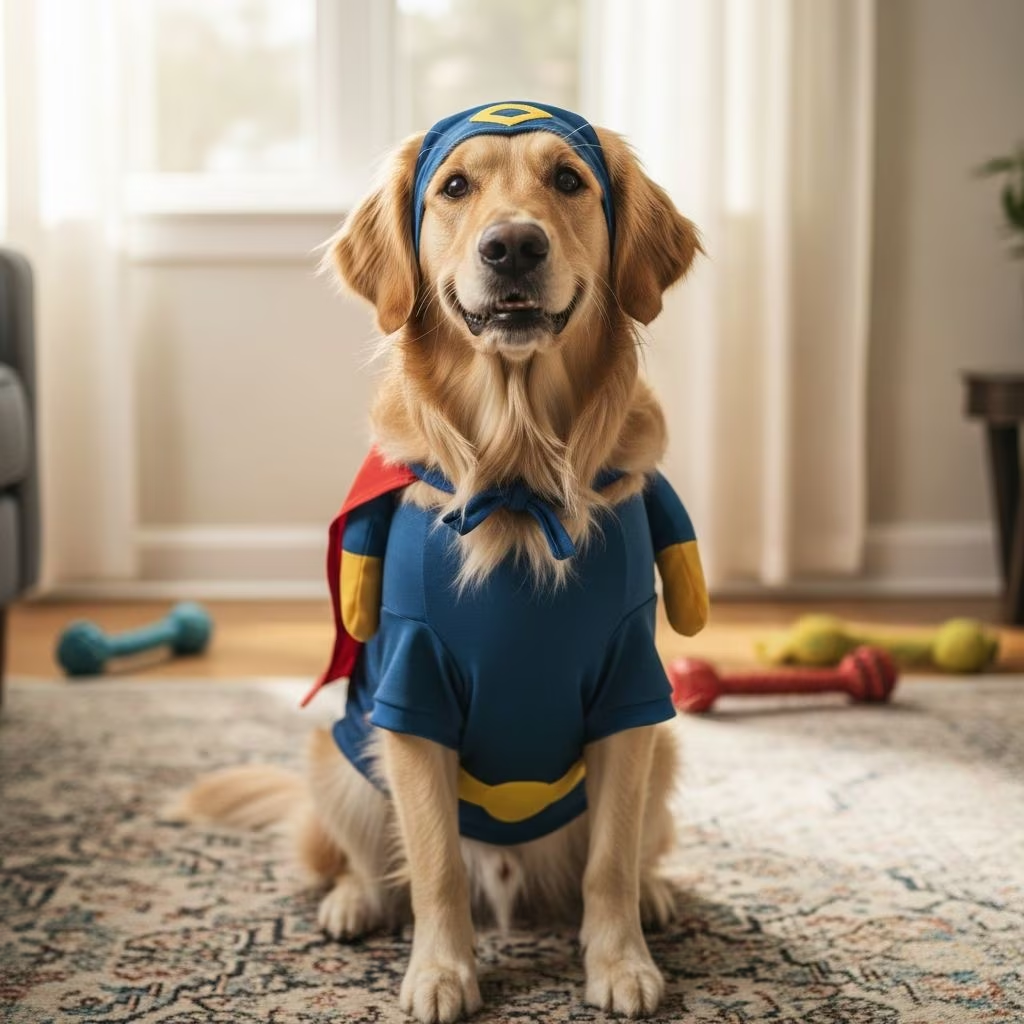
Dressing dogs in costumes has become a popular way for people to celebrate Halloween, holidays, and social media moments. But while costumes can look adorable to humans, they may feel confusing, uncomfortable, or even frightening to many dogs. This guide walks through how costumes affect dogs, how to read your dog’s signals, and how to decide if dress‑up is truly in your dog’s best interest.
Why People Put Dogs in Costumes
Before we look at what dogs might feel, it helps to understand why humans love dog costumes so much. For most people, the motivation is positive, even if the outcome isn’t always comfortable for the dog.
- Social sharing and “cute” photos: Costumes create eye‑catching, funny images that people enjoy sharing with friends and followers.
- Holiday traditions: Some families want pets to be part of Halloween, themed parties, or family photos.
- Humanizing pets: Many people see their dogs as family members and treat costumes like a way of including them in human activities.
- Perceived enrichment: Some owners believe dress‑up is entertaining or mentally stimulating for dogs.
None of these reasons are inherently harmful, but they can easily overshadow a critical question: Is my dog comfortable with this?
How Costumes Can Affect Dogs
Costumes can influence dogs on several levels: physically, emotionally, and socially. A dog’s experience will vary with temperament, past experiences, and the fit and design of the costume.
Physical Comfort and Movement
Costumes can restrict natural movement or cause discomfort, especially around sensitive areas like the neck, chest, paws, and tail. Research on dogs wearing harnesses and vests shows that even seemingly mild equipment can change gait and posture when poorly fitted or used extensively.
- Too‑tight or heavy costumes can rub the skin, create pressure points, and increase muscle tension.
- Pieces that cover the paws or legs may alter a dog’s stride and cause tripping.
- Hoods, hats, and masks can interfere with vision and hearing.
While not all costumes cause overt pain, subtle physical changes can still contribute to stress and fatigue.
Communication and Body Language Interference
Dogs rely heavily on body language—ears, tail, facial expressions, and posture—to communicate with humans and other dogs. Covering or constraining these parts can make it harder for them to express and for others to understand their intentions.
- A costume that covers the tail can hide wagging, tucking, or stiffening.
- Hoods or hats may hide ear position and forehead tension.
- Full‑body outfits can mask posture changes, making early stress signs easy to miss.
This loss of clear communication can increase misunderstandings and make social interactions more tense or risky, especially in busy environments like Halloween events.
Emotional and Stress Responses
Dogs experience a range of primary emotions, including fear, anxiety, and frustration, and may also display more complex emotional patterns such as guilt‑like or embarrassment‑like behavior. Even if dogs do not feel embarrassment the way humans do, they can clearly feel confusion or discomfort when dressed up.
- Fear: New textures, smells, and the sensation of being restrained can trigger fear in sensitive dogs.
- Anxiety: Being handled repeatedly, having items placed over the head, or being surrounded by laughing people can be overwhelming.
- Frustration: Dogs may become frustrated when they cannot move or interact as they normally would.
For some confident and social dogs, costumes paired with positive attention and treats may not be stressful and can even be tolerated or enjoyed. The key is that this varies widely by individual.
Do Some Dogs Enjoy Wearing Costumes?
Yes, a minority of dogs seem genuinely unbothered or even pleased by costumes, especially when the experience has been introduced gradually and paired with rewards. In many cases, these dogs already have a history of wearing functional clothing, like sweaters or service vests, and may associate wearing things with “work” or positive attention.
| Dog Type | Typical Reaction to Costumes |
|---|---|
| Confident, social dogs used to handling | Often tolerate or enjoy simple, comfy costumes when introduced slowly with treats and praise. |
| Shy, anxious, or noise‑sensitive dogs | More likely to find costumes and associated events (doorbells, crowds) stressful. |
| Dogs who dislike harnesses or grooming | Often dislike costumes even more, due to added restraint and contact. |
| Dogs accustomed to functional clothing (coats, vests) | May accept simple costumes similar in feel and fit to gear they already wear. |
The takeaway: some dogs can participate comfortably in dress‑up, but many others find it confusing or distressing. It is never safe to assume your dog “must be fine” just because they are not overtly struggling.
How Costumes Can Create Stressful Environments
Costumes rarely exist in isolation; they are often part of busy, noisy events such as Halloween, parties, or parades. These environments can add multiple layers of stress on top of the costume itself.
- Strange sights and sounds: Masks, unusual human clothing, decorations, and loud noises can all trigger fear responses.
- Constant doorbells and visitors: Doorbells and knocking are common triggers for barking and arousal in dogs; repeated rings increase stress levels for many animals.
- Crowds and handling: Children and adults may approach and attempt to touch the dog more often because the dog looks “cute.”
- Reduced ability to escape: Leashes, costumes, and crowded rooms can make it hard for dogs to move away when they feel unsafe.
For reactive or fearful dogs, these situations can lead to defensive behavior, including growling, snapping, or biting, particularly if their attempts to avoid contact are ignored.
Reading Your Dog’s Body Language in a Costume
Recognizing your dog’s subtle signals is the most important part of deciding whether costumes are appropriate. Many early signs of stress are quiet and easily overlooked.
Early Signs Your Dog Is Uncomfortable
- Lip licking or frequent yawning in a non‑tired context
- Turning the head or body away when the costume is presented
- Stiff posture or freezing when the costume is put on
- Slow movement, crouching, or attempts to hide behind furniture or people
- Tucked tail, lowered body, or ears pinned back
- Refusal of treats they would normally enjoy
These signs indicate that the dog is already experiencing discomfort or anxiety. Continuing to dress or pose the dog despite these signals can erode trust over time.
More Obvious Signs of Distress
- Pawing at, biting, or trying to remove the costume
- Continuous pacing, whining, or barking
- Growling when someone tries to touch them or adjust the costume
- Attempts to escape, pull away, or hide persistently
If you see any of these behaviors, the dog is clearly not comfortable. The humane choice is to remove the costume and give them space, rather than insisting they “tolerate it.”
When Dog Costumes Can Be Risky
Beyond comfort and emotional well‑being, costumes can introduce direct safety risks. Animal welfare organizations and veterinary groups caution against designs and situations that increase the chances of injury or panic.
- Restricted breathing or circulation: Tight neck or chest areas can make it harder to breathe or move normally.
- Tripping hazards: Long, dangling pieces can cause a dog to trip, fall, or catch on furniture or fences.
- Choking risks: Buttons, bells, or attached toys can be chewed off and swallowed.
- Overheating: Heavy fabrics and full‑body suits can trap heat, especially in warm climates or crowded indoor spaces.
- Vision and hearing blockage: Masks, hats, and hoods can prevent dogs from seeing and hearing threats or approaching people, which can make startle reactions more likely.
For brachycephalic (short‑nosed) breeds, older dogs, or dogs with respiratory or mobility issues, even mild restrictions can have more serious consequences. In any case where your dog has health challenges, consult your veterinarian before using costumes.
Choosing a Dog‑Friendly Costume (If Your Dog Truly Doesn’t Mind)
If your dog’s body language and behavior suggest that they are relaxed and comfortable, and you decide to use a costume, prioritizing safety and minimal interference is essential.
- Pick simple, lightweight designs: Avoid full masks, tight sleeves, and anything that wraps around the muzzle or paws.
- Ensure a proper fit: The costume should allow normal walking, lying down, sitting, and turning without rubbing or pinching.
- Keep sense organs free: Eyes, ears, nose, and whiskers should remain as unobstructed as possible.
- Limit wearing time: Use costumes only for very brief periods, with frequent breaks.
- Supervise constantly: Never leave your dog unattended in a costume, even for a short time.
Practical alternatives include themed bandanas, lightweight harness covers, or collar accessories that do not restrict movement or communication.
How to Introduce a Costume Gradually
If you believe your dog might tolerate a costume, a slow, reward‑based approach gives them a choice and reduces the risk of fear. This is similar to desensitization and counter‑conditioning methods used in behavior therapy.
- Start with exposure at a distance: Place the costume on the floor and reward your dog with treats and praise for approaching or sniffing it.
- Pair touch with treats: Briefly touch parts of the costume to your dog’s body (shoulder, side, chest), then immediately offer a treat.
- Try partial wear: Put on a small part (for example, a simple cape or collar accessory) for a few seconds, feed treats, then remove.
- Increase duration slowly: If your dog remains relaxed, gradually increase the time they wear the costume, always observing their body language.
- Stop if stress appears: If your dog shows signs of discomfort at any stage, step back to an easier level or discontinue entirely.
Throughout the process, your dog’s comfort takes priority over any plans for photos, parties, or social media posts.
Ethical Considerations: Who Is the Costume Really For?
Animal behavior experts and welfare organizations increasingly question trends that prioritize human entertainment over animal well‑being. Some competitions and activities have limited or banned costumes or certain tricks when they are considered demeaning or potentially harmful to dogs.
Key ethical questions to consider include:
- Would you still choose this costume if your dog could clearly say “no” to wearing it?
- Is your dog genuinely relaxed, or just tolerating the costume because they have no choice?
- Are there other ways to involve your dog in celebrations that do not involve dress‑up or restraint?
Taking a dog‑first perspective means accepting that not every pet has to participate in every human tradition. Opting out of costumes is often the kindest choice for many dogs.
Fun Alternatives to Dog Costumes
If your dog does not enjoy costumes—or you are unsure—there are many other ways to include them in celebrations without adding stress.
- Themed collar or bandana: Lightweight accessories are usually better tolerated than full outfits.
- Special treats and chews: Offer holiday‑themed, dog‑safe treats or enrichment toys while you enjoy your own festivities.
- Decorate the environment, not the dog: Keep the dog’s space calm and familiar while decorating other parts of the home.
- Photo sessions without costumes: Use natural backdrops or props around the dog rather than on them.
- Quiet time away from the action: Provide a safe room with bedding, water, and soothing sounds if visitors, doorbells, or noise will be intense.
These options allow your dog to participate at their own comfort level, without compromising their welfare.
Frequently Asked Questions (FAQs)
Q: How can I tell if my dog actually likes wearing a costume?
Look for relaxed body language: loose muscles, soft eyes, normal tail carriage, willingness to move, play, or take treats. If your dog eagerly approaches when the costume appears and happily engages in normal activities while wearing it, they may be comfortable. Stiffness, avoidance, or attempts to remove the costume indicate they do not enjoy it.
Q: Are some breeds more tolerant of costumes than others?
Tolerance is more about individual temperament and experience than breed. However, dogs bred for working roles or those used to wearing vests or coats may adapt more easily, while very sensitive, fearful, or physically compromised dogs often struggle more. Short‑nosed breeds, senior dogs, and dogs with health issues are at higher risk of breathing or mobility problems in costumes.
Q: Is it cruel to dress up my dog?
It can be unkind or unsafe if the dog is uncomfortable, frightened, or physically restricted. If a costume is simple, well‑fitted, worn briefly, and your dog’s body language clearly shows comfort, it may be acceptable. The key is to prioritize the dog’s welfare over any desire for photos or entertainment.
Q: Can costumes help dogs get used to being handled?
With careful, reward‑based training, gently putting on and taking off simple garments can help some dogs become more comfortable with touch and handling. However, forcing a nervous dog into an outfit can have the opposite effect and increase fear. If you want to use clothing as part of handling training, work with a qualified trainer or behavior professional.
Q: What should I do if my dog panics in a costume?
Remove the costume immediately and move your dog to a quiet, safe space. Avoid scolding, and do not try to “push through” the fear. Offer calm reassurance, water, and, when your dog settles, low‑key activities they enjoy. For strong or lasting reactions, consult your veterinarian or a certified behavior professional to discuss how to prevent future stress.
References
- Peham C, Limbeck S, Galla K, Bockstahler B. Pressure distribution under three different types of harnesses used for dogs. — The Veterinary Journal. 2013-04-01. https://doi.org/10.1016/j.tvjl.2012.11.013
- American Veterinary Medical Association. Dog bite prevention. — AVMA. 2024-01-01 (accessed). https://www.avma.org/resources-tools/pet-owners/dog-bite-prevention
- de Waal FBM. Animal sentience and the utility of evolutionary approaches to the study of emotions. — Current Opinion in Behavioral Sciences. 2019-10-01. https://doi.org/10.1016/j.cobeha.2019.06.002
- RSPCA. Halloween and fireworks: Keeping pets safe. — Royal Society for the Prevention of Cruelty to Animals. 2023-10-01. https://www.rspca.org.uk/adviceandwelfare/pets/general/halloween
- ASPCA. Halloween safety tips for pet parents. — American Society for the Prevention of Cruelty to Animals. 2023-10-01. https://www.aspca.org/pet-care/general-pet-care/halloween-safety-tips



