

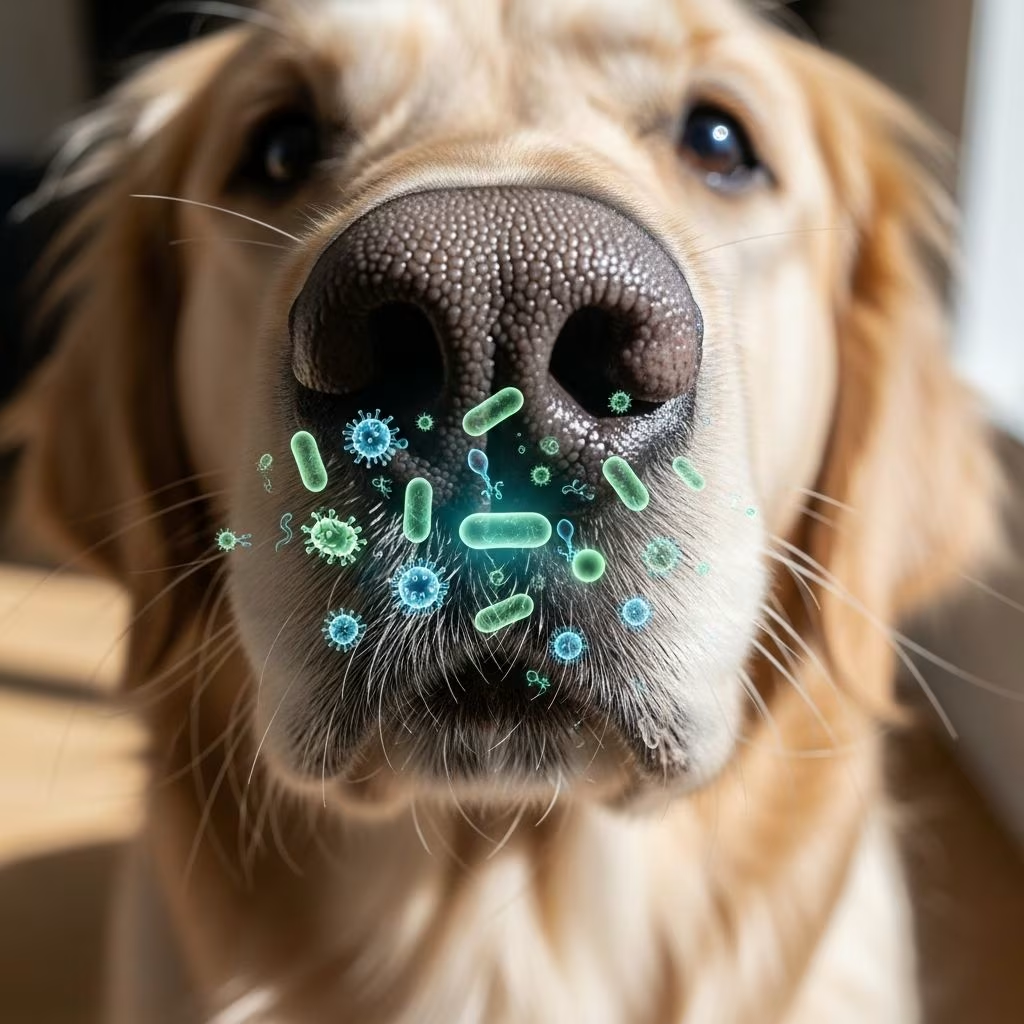
Dogs are beloved companions, but they can carry bacteria transmissible to humans through saliva, feces, urine, or direct contact. While the risk remains low for healthy individuals practicing good hygiene, certain groups like young children, elderly adults, pregnant women, and immunocompromised people face higher vulnerability. This article examines key bacterial zoonoses from dogs, symptoms, transmission modes, and proven prevention strategies based on authoritative health research.
Common Bacterial Infections Transmitted from Dogs to Humans
Several bacteria commonly found in dogs can cause zoonotic infections in humans. Transmission often occurs via dog bites, licks, contaminated feces, or shared environments. Puppies and dogs from shelters or kennels show higher carrier rates due to denser populations and immature immune systems.
- Pasteurella: Found in dog saliva, causes most dog bite infections like cellulitis, abscesses, and rarely meningitis or respiratory issues. A U.S. study identified Pasteurella as the top isolate from dog bites.
- Salmonella: Dogs shed this via feces for up to 6 weeks, often asymptomatically. Humans get gastrointestinal illness from fecal-oral contact or contaminated dog food. Prevalence in dogs: 1-36%; links to human outbreaks via pet treats.
- Campylobacter: Especially Campylobacter upsaliensis in puppies (up to 75% carrier rate in young pets). Causes diarrhea, fever, cramps; transmitted fecal-orally.
- Capnocytophaga: Normal oral flora in dogs; bites or scratches can lead to severe sepsis in asplenic or immunocompromised people. CDC notes rare but serious infections post-dog bite.
- MRSA (Methicillin-resistant Staphylococcus aureus): Dogs can harbor human strains or vice versa. Causes skin infections; more common in immunocompromised owners.
- Leptospira: Urine-transmitted; causes flu-like symptoms, organ failure in severe cases. Dogs are common reservoirs.
- Bordetella bronchiseptica: Respiratory pathogen causing kennel cough in dogs; rare human aerosol transmission leads to bronchitis.
- Brucella canis: Rare in humans but linked to dog fluid exposure in breeders; incubation 1-4 weeks.
High-Risk Groups for Dog-Transmitted Bacterial Infections
Not everyone faces equal risk. Vulnerable populations include:
- Children under 5: Higher exposure from close play, hand-to-mouth habits.
- Adults over 65: Weaker immunity increases sepsis risk from Capnocytophaga or Pasteurella.
- Pregnant women: Salmonella or Listeria risks to fetus.
- Immunocompromised: Cancer patients, transplant recipients, asplenic individuals (no spleen) highly susceptible to Capnocytophaga sepsis.
Healthy adults rarely develop serious illness from casual contact, per Ohio State Health data.
Symptoms to Watch For
Human symptoms vary by bacteria:
| Bacteria | Common Symptoms | Severity |
|---|---|---|
| Pasteurella | Red, swollen bite wound; pus, fever; rare: joint pain, pneumonia | Local infection; treatable with antibiotics |
| Salmonella/Campylobacter | Diarrhea (bloody), vomiting, cramps, fever | Self-limiting; dehydrates vulnerable groups |
| Capnocytophaga | Fever, chills, gangrene in extremities; rapid sepsis | Life-threatening in at-risk people |
| MRSA | Skin boils, abscesses; pneumonia if inhaled | Resistant to common antibiotics |
| Leptospira | Headache, muscle pain, jaundice, kidney failure | Can be fatal without prompt treatment |
Seek medical care for bite wounds, persistent GI symptoms post-dog contact, or fever in high-risk individuals.
Treatment Options for Bacterial Infections from Dogs
Most respond to antibiotics, but resistance (e.g., MRSA) complicates care:
- Pasteurella: Penicillin, cephalosporins, fluoroquinolones.
- Salmonella/Campylobacter: Fluoroquinolones, macrolides; antibiogram recommended.
- MRSA: Vancomycin, linezolid, daptomycin.
- Capnocytophaga: Penicillin or clindamycin; severe cases need IV therapy.
- Bite wounds: Clean thoroughly, antibiotics prophylaxis for high-risk bites.
Always consult a doctor; self-treatment risks resistance spread.
Prevention: Essential Hygiene Practices for Dog Owners
Simple habits slash transmission risk by over 90%:
- Wash hands: After petting, handling poop/urine, or dog food. Soap for 20 seconds.
- Bite/scratch care: Clean with soap/water, apply antibiotic ointment; seek care for deep punctures.
- Surface hygiene: Disinfect dog bowls, toys, bedding weekly.
- Food safety: No raw diets; cook meats, wash produce to avoid Salmonella.
- Vet care: Regular checkups, vaccines (e.g., Leptospira), fecal tests for breeders.
Avoid letting dogs lick open wounds or faces, especially in high-risk households.
Reverse Zoonoses: When Humans Infect Dogs
Humans can transmit bacteria to dogs (reverse zoonosis), e.g., MRSA, C. diff. Close contact like bed-sharing increases pet risk, especially for immunocompromised dogs. Hand hygiene protects both.
Frequently Asked Questions (FAQs)
Can healthy people get serious infections from their dogs?
Rarely. Most cases are mild GI upset; severe infections hit high-risk groups.
Should I get rid of my dog if worried about bacteria?
No. Hygiene and vet care suffice; benefits of dog ownership outweigh low risks.
Are puppies more dangerous than adult dogs?
Yes, higher Campylobacter/Salmonella carriage in pups.
Does dog breed matter for infection risk?
No, all breeds carry similar bacteria; bite wounds riskier with larger jaws.
Can I prevent all zoonotic risks?
Not entirely, but hygiene reduces them dramatically. Focus on fecal/oral prevention.
Key Takeaways
- Dogs transmit bacteria like Salmonella, Pasteurella mainly via feces/saliva, but risks low with hygiene.
- High-risk: kids, elderly, immunocompromised—extra caution needed.
- Prevention trumps cure: Wash hands, clean wounds, vet checkups.
- Consult MD for symptoms post-exposure.
Owning a dog enriches life; informed care ensures safety for all. (Word count: 1678)
References
- Review of bacterial and viral zoonotic infections transmitted by dogs — PMC/NCBI. 2017-02-28. https://pmc.ncbi.nlm.nih.gov/articles/PMC5319273/
- Diseases Transmitted by Man’s Best Friend: The Dog — ASM Journals. 2016-06-28. https://journals.asm.org/doi/10.1128/microbiolspec.iol5-0002-2015
- Diseases dogs can pass to humans — Ohio State University Wexner Medical Center. 2024-01-11. https://health.osu.edu/health/virus-and-infection/diseases-dogs-can-pass-to-humans
- About Capnocytophaga — Centers for Disease Control and Prevention (CDC). 2024. https://www.cdc.gov/capnocytophaga/about/index.html
- Yes, humans can get their pets sick: reverse zoonoses — University of Florida Emerging Pathogens Institute. 2024-01-11. https://epi.ufl.edu/2024/01/11/yes-humans-can-get-their-pets-sick-reverse-zoonoses-more-common-than-once-thought/



