

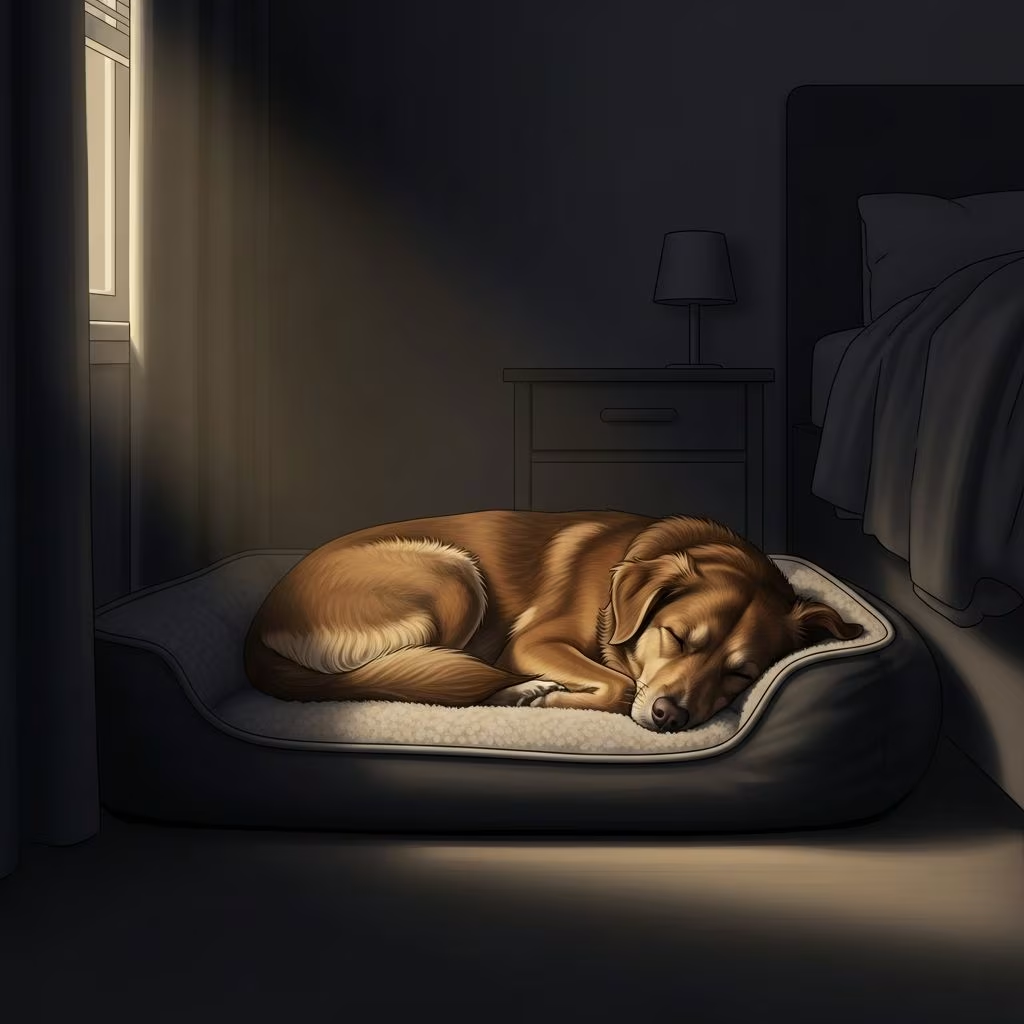
Dogs generally thrive in darker environments for sleep, mirroring their diurnal circadian rhythms that align rest with nighttime hours. This preference stems from evolutionary adaptations and physiological needs for quality recovery.
The Science Behind Canine Sleep Cycles
Canines follow a diurnal pattern, remaining active during daylight and primarily resting at night. Research indicates adult dogs over 1.5 years sleep 60-80% of the night (roughly 7.2-9.6 hours between 8 p.m. and 8 a.m.) and 3-28% of daytime hours. Puppies at 16 weeks average 11.2 total hours daily, dropping to 10.8 hours by 12 months, with daytime naps median at 3.5 hours and 3.0 hours respectively.
Sleep comprises light and deep phases. Light sleep keeps senses alert for quick arousal, while deep sleep, 20-30% of total, fully relaxes muscles but is harder to interrupt. Factors like emotional states influence latency and stage distribution; negative interactions shorten onset and alter architecture compared to positive ones.
- Daytime sleep skews right, indicating variability.
- Nighttime averages 7.0-7.3 hours across ages.
- Total 24-hour sleep slightly exceeds prior estimates of 10.1 hours.
How Darkness Influences Dog Rest Quality
While direct studies on light versus dark preferences are limited, dogs’ circadian alignment suggests darkness promotes deeper, uninterrupted cycles akin to wild ancestors. Artificial light disrupts melatonin, potentially fragmenting rest similar to human patterns. Owners report optimal sleep in dim conditions, reducing awakenings from visual stimuli.
Puppies nap frequently during day regardless of light, aiding growth, but nighttime thrives in blackout setups. Seniors nap more daytime due to lower energy, benefiting from consistent dark nights.
| Age Group | Avg Night Sleep | Avg Day Sleep | Total 24h |
|---|---|---|---|
| 16-week Puppies | 7.0h | 3.5h (median) | 11.2h |
| 12-month Dogs | 7.3h | 3.0h (median) | 10.8h |
| Adults >1.5y | 7.2-9.6h | ~3.2h | ~10.1h |
Data adapted from cohort studies; medians reflect owner reports.
Common Canine Sleep Positions and Interpretations
Sleep posture reveals comfort, security, and readiness. Stretched on side dominates (84.2%), signaling relaxation, followed by curled (63.6%) for warmth or protection.
- Lion’s Pose: Head on paws, legs tucked; poised for action yet resting.
- Superman: Belly down, limbs extended; common in playful pups ready to resume.
- Donut: Fully curled ball; self-preservation in unsure environments or cold.
- Side Sleeper: Legs twitching indicate dreaming; relaxed state.
- Back Up: Vulnerable exposure shows trust and cool comfort.
Seasonal shifts occur: stretched in warmth, curled in cold. Pre-sleep circling stems from wolf ancestry to flatten bedding.
Sleep Behaviors: Twitches, Noises, and Movements
During rest, 73% of yearlings show leg twitches, with owners noting peaceful breathing, soft snores, or dream barks. Running paws or squeaks reflect REM dreams, harmless unless distressed upon waking. Howls occasionally peek into subconscious adventures.
Cuddle positions near owners or toys indicate bonding needs. Stomach sleeping signals brief dozes for quick alerts.
Factors Shaping Individual Sleep Patterns
Personality, activity, routines, and social interactions modulate rest. High-energy dogs nap strategically; routine deviations extend latency. Negative emotions compress stages; positives elongate quality bouts.
Breeds vary: working dogs power-nap, lap breeds extend nighttime with humans.
Age-Specific Rest Needs and Changes
Puppies demand 18-20 hours initially, tapering as maturity hits, processing learning via frequent naps even mid-play. Adults stabilize around 12-14 hours total. Seniors increase daytime due to fatigue, maintaining night anchors.
- Puppies: Multiple hourly naps, odd locations.
- Adults: Night-focused, 3h day medians.
- Seniors: Extended days, consistent nights.
Creating the Perfect Sleep Environment
Mimic darkness with covered crates or blackouts. Quiet zones minimize disturbances; temperature control encourages preferred postures. Consistent schedules reinforce circadian health.
- Select breathable bedding for burrowing.
- Position away from traffic/noise.
- Use white noise for urban settings.
- Dim lights pre-bedtime.
Signs of Poor Sleep and When to Worry
Excessive daytime lethargy, frequent awakenings, or aggression signal issues like pain or anxiety. Twitching escalates to seizures warrants vet checks; disrupted patterns may indicate health concerns.
FAQs
Do all dogs sleep the same amount?
No, puppies sleep more (up to 20h), adults 10-13h, seniors variably.
Why does my dog twitch while sleeping?
REM dreaming causes leg movements, barks; normal unless distressed.
Is it bad to let dogs sleep in light?
Light can fragment cycles; darkness better aligns natural rhythms.
Should I wake a dreaming dog?
Avoid unless nightmare signs like whimpering or rigidity.
How to train better sleep habits?
Establish routines, dark/quiet spaces, limit pre-bed excitement.
Enhancing Bond Through Shared Rest
Co-sleeping fosters security for many, reflected in cuddle poses. Respect independence for others via separate dark dens. Monitor for preferences to tailor optimally.
References
- Sleep Duration and Behaviours: A Descriptive Analysis of a Cohort of Dogs — PMC/NCBI. 2020-07-28. https://pmc.ncbi.nlm.nih.gov/articles/PMC7401528/
- 11 Dog Sleeping Positions: What Do They Mean? — Purina US. N/A. https://www.purina.com/articles/dog/behavior/understanding-dogs/dog-sleeping-positions
- What you should know about your dog’s sleeping habits — Palopa Pets. N/A. https://www.palopa-pets.com/en/blogs/news/what-you-should-know-about-your-dogs-sleeping-habits
- 10 Dog Sleeping Positions + Their Adorable Meanings — Casper Blog. N/A. https://casper.com/blogs/article/dog-sleeping-positions
- 6 Dog Sleeping Positions and What They Mean — PetMD. N/A. https://www.petmd.com/dog/general-health/dog-sleeping-positions-and-what-they-mean



