

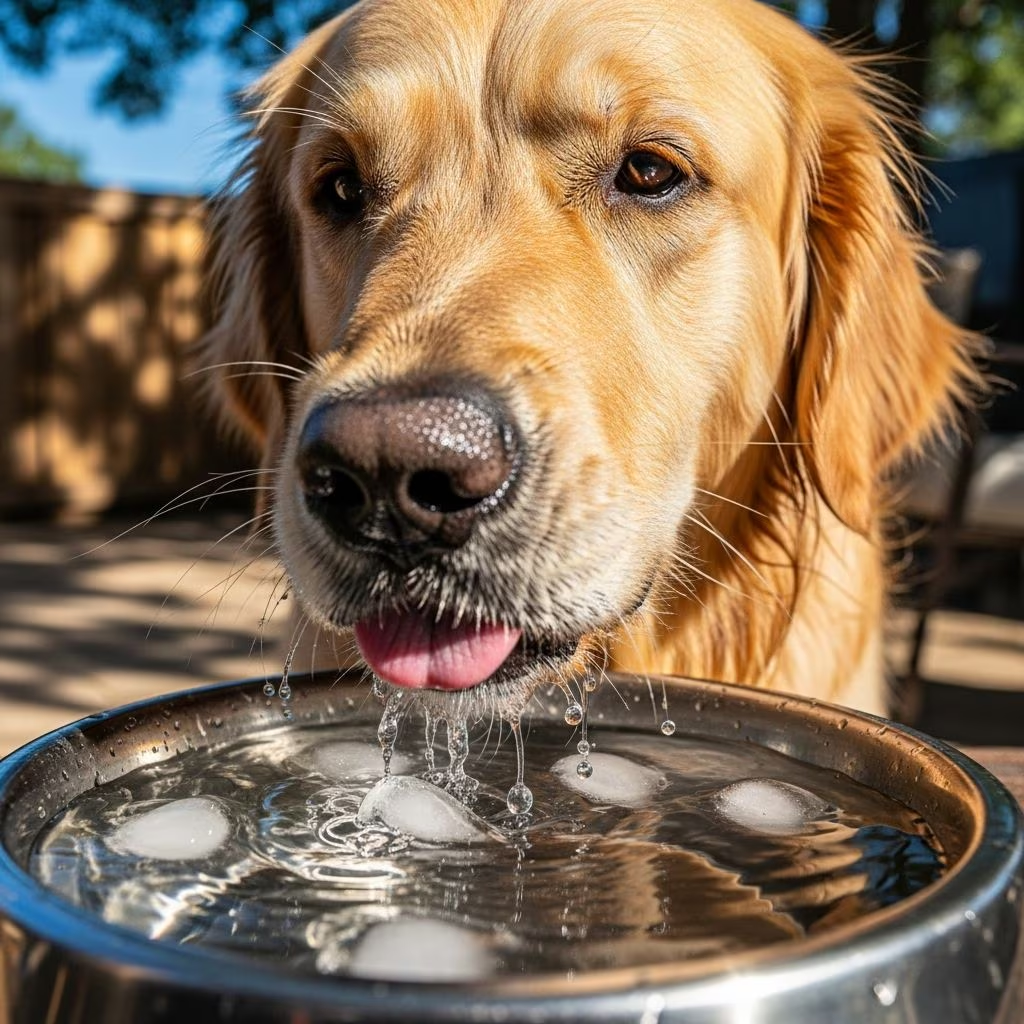
Dogs often show enthusiasm for cold water, whether lapping it up on hot days or splashing into chilly streams, but their preferences depend on context, breed, and health. While cool water aids hydration and cooling, extremes can pose risks like muscle strain or digestive issues. This guide examines canine responses to cold water, drawing from veterinary insights to help owners make informed choices.
Understanding Canine Physiology and Temperature Sensitivity
Dogs regulate body temperature primarily through panting and limited sweating via paw pads, making hydration critical. Cold water influences blood flow and muscle function by constricting vessels, which can preserve core heat in moderation but lead to tightness if prolonged. For instance, immersion in frigid water rapidly cools peripheral blood cells, reducing muscle flexibility akin to a stiff elastic band, potentially pressuring joints and nerves.
Breeds vary: thick-coated northern types like Huskies tolerate cold better, while short-haired breeds like Boxers may shiver sooner. Body size matters too—small dogs lose heat faster due to higher surface-to-volume ratios. Owners should observe signs like trembling or reluctance to gauge comfort.
Benefits of Cold Water for Drinking and Play
Cool water encourages drinking, vital for preventing dehydration during exercise or heatwaves. Dogs drink more from chilled sources post-activity, maintaining electrolyte balance and supporting organ function. On scorching days, it provides instant relief, mimicking natural preferences for stream water over stagnant pools.
- Boosted Hydration: Refreshing chill prompts larger intakes, countering hot-weather thirst suppression.
- Temperature Regulation: Lowers core heat efficiently, reducing panting fatigue.
- Entertainment Value: Ice cubes offer chewable fun, promoting dental health without calories (though supervise to avoid choking).
For heatstroke emergencies, immersion in cold water (59-61°F tap temperature) excels, debunking myths of ‘shock.’ Studies confirm it rapidly extracts heat via superior thermal conductivity—70 times air’s efficiency—halting organ damage without vasoconstriction drawbacks when monitored.
Potential Health Risks Associated with Cold Water
Not all cold exposure benefits dogs. Excessive chill contracts muscles, risking ‘limber tail’—a tail muscle injury from blood flow restriction, common after cold swims. Hypothermia looms in prolonged contact, slowing breathing, causing organ failure, or frostbite in extremes.
Drinking ice-cold water may upset stomachs, especially in sensitive or large-chested breeds prone to bloat (gastric dilatation-volvulus). Rapid intake shocks the gut, cramping or dilating it dangerously. Post-surgery or with GI issues, room-temperature water suits better.
| Risk | Affected Dogs | Symptoms | Prevention |
|---|---|---|---|
| Hypothermia | Small/short-coated breeds | Shivering, lethargy, weak pulse | Limit time in <50°F water |
| Stomach Upset/Bloat | Deep-chested giants (e.g., Great Danes) | Vomiting, distended belly | Cool, not freezing; slow intake |
| Limber Tail | Working breeds post-swim | Limp, painful tail | Warm-up after cold exposure |
| Choking/Tooth Damage | Eager chewers | Coughing, fractures | Small cubes, supervision |
When Cold Water Shines: Heat Relief Strategies
In temperatures above 80°F (with humidity pushing heat index over 150), cold water immersion prevents heat-related illness (HRI). Pavement burns paws at air temps of 77°F (surface hits 127°F), so quick dips save lives. High-risk groups include puppies, seniors, and overweight dogs with poor thermoregulation.
Gold Standard Protocol: Submerge up to neck in 59°F water until rectal temp drops to 102.5-103°F, then dry and monitor. This interrupts inflammation cascades leading to multi-organ failure. Frequent cool water access sustains hydration, curbing fatigue.
Safe Practices for Offering Cold Water Year-Round
Moderation ensures benefits outweigh risks. Aim for ‘cool’ (50-65°F) over ‘icy’ for bowls; add ice sparingly. Portable fountains or bottles suit outings, enticing picky drinkers.
- Check Temperature: Hand-test water; if uncomfortable for you, skip for short-coated pups.
- Monitor Intake: Pause eager gulpers to prevent gulping-induced bloat.
- Seasonal Adjustments: Warm months favor chill; winter prioritizes ambient to avoid chills.
- Post-Activity Care: Towel-dry after swims, especially below 60°F.
For toys, frozen Kongs with broth delight without excess cold. Consult vets for breeds with arthritis—cold may exacerbate joint stiffness.
Breed-Specific Considerations and Variations
Northern breeds relish cold swims, building resilience, while brachycephalics (Pugs) pant inefficiently, needing cautious cooling. Overweight dogs insulate poorly, overheating faster yet chilling quicker—balance is key.
- Cold Lovers: Siberian Huskies, Malamutes—thrive in <50°F.
- Cautious Types: Greyhounds, Whippets—sensitive to vasoconstriction.
- Heat-Sensitive: Bulldogs, overweight Labs—prioritize cooling aids.
Common Myths About Dogs and Cold Water Debunked
Myth: Cold water always causes bloat or shock. Reality: Proper use shows no such effects; delays harm more. Myth: Ice water hydrates best. Fact: Moderately cool suffices, avoiding GI shock.
Another: All dogs hate cold. Many avidly pursue it, from puddle-jumping to ice-chewing, signaling preference when safe.
FAQs: Dogs and Cold Water
Q: Can my dog drink ice water daily?
A: Yes, if cool not frozen, and monitored for upset. Benefits hydration in heat.
Q: Is swimming in cold lakes dangerous?
A: Short dips fine for hardy dogs; limit for others to avoid hypothermia or limber tail.
Q: How to cool an overheated dog?
A: Immerse in cold tap water immediately—most effective per vet consensus.
Q: What if my dog shivers after cold water?
A: Warm gently; if persists, vet check for hypothermia.
Q: Are ice cubes safe treats?
A: Generally yes, but small sizes prevent choking; no dairy additives.
Expert Tips for Optimal Hydration
Combine cold water perks with routines: multiple daily freshens, flavorings like broth for fussy eaters. Track urine (clear/pale indicates good hydration; dark signals deficit). In hot climes or active lifestyles, chillers maintain 60°F bowls automatically.
Seasonally, winter walks need insulated bottles—too-cold risks outweigh refreshment. Always prioritize observation: enthusiastic engagement signals approval; avoidance warrants warmer options.
References
- The Effects of Cold Water on Your Dog — The Canine Fitness Centre. 2023. https://www.thecaninefitnesscentre.co.uk/health/the-effects-of-cold-water-on-your-dog/
- Dog Drinking Cold Water: Benefits, Risks, and Best Practices — Uahpet. 2024. https://www.uahpet.com/blogs/post/dog-drinking-cold-water-benefits-risks-and-best-practices
- Why Cold Water Immersion is the Gold Standard for Dog Heat Stroke — The Balanced Canine. 2024. https://www.thebalancedcanine.co.uk/articles/saving-lives-why-cold-water-immersion-is-the-gold-standard-for-dog-heat-stroke
- Is Cold Water Bad for Dogs? — Rover.com. 2023. https://www.rover.com/blog/is-cold-water-bad-for-dogs/
- Can Dogs Eat Ice? Is Ice Water Dangerous? — Chewy. 2024. https://www.chewy.com/education/dog/food-and-nutrition/can-dogs-eat-ice
- Debunking Cooling Myths: Evidence-Based Canine Heat Management — Animal Osteopathy College. 2023. https://www.animalosteopathycollege.com/blog/cooling-dog-myths



