

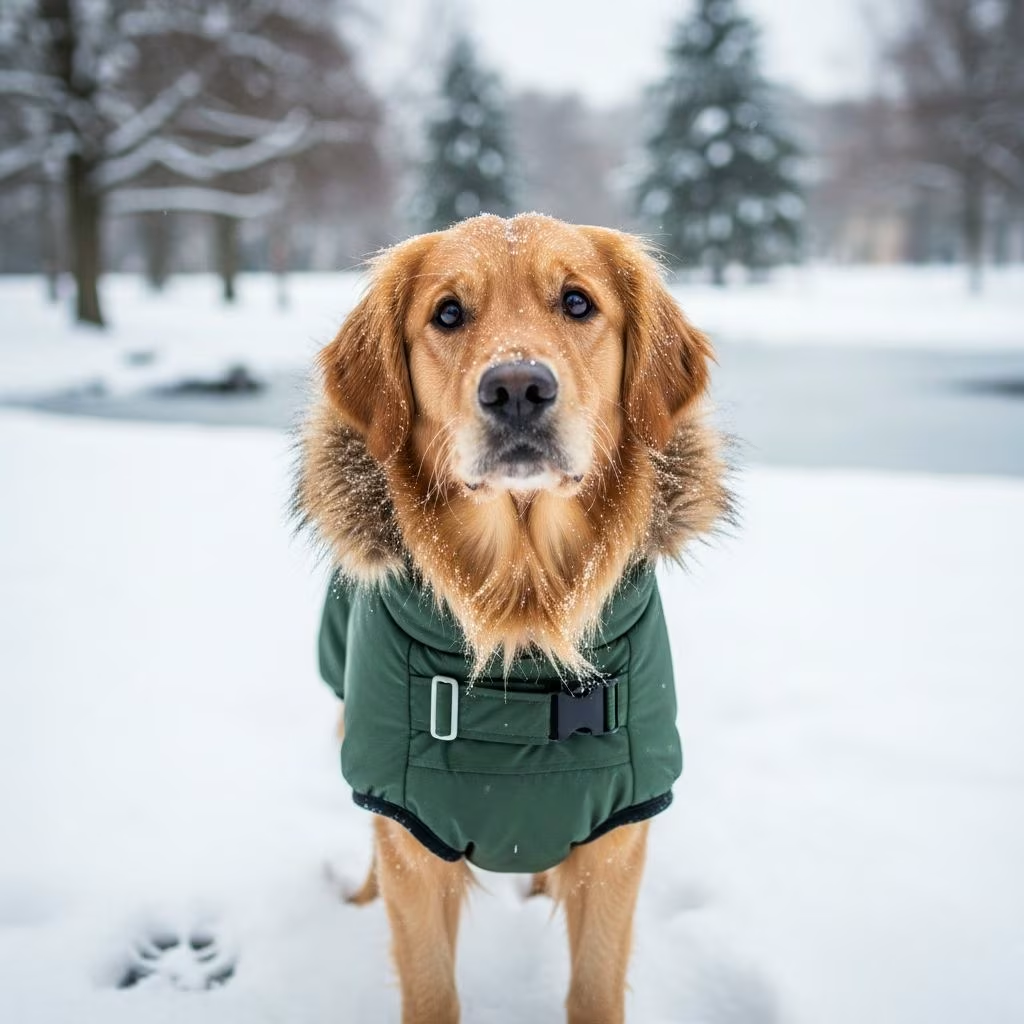
As temperatures drop, many pet owners wonder if their dogs require extra layers for outdoor activities. Not all dogs are equipped to handle frigid conditions equally, with factors like breed, size, age, and health playing crucial roles. Certain dogs thrive in the cold thanks to their natural insulation, while others benefit greatly from protective winter coats to maintain body heat and comfort during walks or playtime.
Understanding Your Dog’s Cold Tolerance
Dogs’ ability to withstand winter weather varies widely. Those bred for harsh climates, such as Siberian Huskies or Alaskan Malamutes, possess thick double coats that trap warmth effectively. In contrast, breeds with short, single-layered fur like Greyhounds, Boxers, or French Bulldogs lose heat rapidly, making them prime candidates for supplemental gear.
Body size influences heat retention too. Small and toy breeds, including Chihuahuas and Yorkies, have a higher surface-area-to-volume ratio, causing quicker heat loss. Puppies and senior dogs face similar vulnerabilities due to immature or declining thermoregulation. Dogs with medical conditions, particularly arthritis, often struggle more in the cold, as low temperatures exacerbate joint stiffness and reduce mobility.
- Breeds naturally cold-resistant: Huskies, Newfoundlands, Bernese Mountain Dogs, Saint Bernards.
- Breeds prone to chilling: Dachshunds, Whippets, Pit Bulls, Great Danes.
- Size considerations: Small dogs under 20 pounds chill fastest; monitor large thin-coated dogs closely.
Recognizing Signs Your Dog Feels the Cold
Observing behavioral cues helps determine if a coat is necessary. Common indicators include shivering, whining, lifting paws off icy ground, or adopting a hunched posture with a tucked tail. Reluctance to walk, slowing pace, or seeking shelter signal discomfort. Even active dogs may show these after prolonged exposure below freezing.
Temperature thresholds matter: below 32°F (0°C), most dogs need monitoring; under 20°F (-7°C), all benefit from protection, regardless of coat type. Wet, windy conditions amplify chill, as damp fur conducts heat away from the body faster than dry insulation.
| Sign of Cold | Description | Action Needed |
|---|---|---|
| Shivering | Involuntary muscle tremors to generate heat | Shorten walk; add coat |
| Paw Lifting | Avoiding contact with frozen surfaces | Booties or indoor return |
| Whining/Barking | Vocal distress from discomfort | Warm up immediately |
| Hunched Posture | Protecting core from wind | Insulated jacket |
Benefits of Winter Coats Beyond Warmth
Winter coats offer more than insulation. Waterproof materials shield against rain, snow, and slush, preventing hypothermia from wet underbellies. Low-to-the-ground breeds like Basset Hounds or Corgis avoid direct snow contact, reducing belly chill. For seniors or arthritic dogs, coats conserve energy otherwise spent on self-warming, easing joint pain and boosting activity levels.
Active dogs on hikes or in snowy play gain from anti-snowballing designs that shed ice buildup. Coats also provide visibility with reflective strips for safer nighttime walks. Overall, they extend enjoyable outdoor time, promoting physical and mental health during winter.
Types of Winter Coats for Every Condition
Selecting the right coat matches weather and activity. Lightweight water-resistant shells suit mild chills around 45-50°F (7-10°C) with drizzle. Insulated jackets with fleece lining excel in sub-freezing temps, trapping air for warmth. Heavy-duty options with storm flaps handle blizzards and high winds.
- Lightweight Rain Jackets: Breathable for active pups in cool rain.
- Insulated Parkas: Thick padding for stationary or low-mobility dogs.
- Windproof Shells: Layerable over sweaters for variable weather.
- Snow-Specific Coats: With belly coverage to block meltwater.
For indoor-outdoor transitions, removable liners allow versatility. Always prioritize dog-specific designs over DIY versions for safety and mobility.
How to Choose and Fit a Winter Coat Properly
A well-fitted coat enhances effectiveness without restricting movement. Measure from neck base to tail base for length, and girth around the widest chest point. The coat should cover back, chest, and belly snugly but allow full stride and tail wag. Adjustable straps ensure custom fit as weight fluctuates.
Materials count: Nylon or polyester exteriors repel water; fleece or synthetic fills insulate. Reflective accents and leash ports add practicality. Test fit by having your dog sit, lie down, and walk— no rubbing, bunching, or slippage.
- Measure neck, chest, and back length.
- Choose adjustable, machine-washable options.
- Opt for bright colors or lights for visibility.
- Layer with sweaters if extra warmth needed.
Safety Tips for Cold Weather Walks
Paw protection pairs with coats: Booties prevent ice melt chemical burns and cracking. Limit exposure below 20°F to 15-20 minutes. Wipe paws and underbelly post-walk to remove irritants. Hydrate more in dry cold air, and watch for frostbite on ears, tail, or toes.
Never leave coated dogs unattended outdoors to avoid overheating. For car travel, secure coats to prevent tangling. Consult vets for dogs with heart or respiratory issues, as coats aid but don’t replace medical advice.
Common Myths About Dog Winter Gear
Myth: All dogs self-regulate perfectly. Reality: Even fluffy breeds shiver in extreme wet cold. Myth: Coats make dogs dependent. Reality: They supplement natural abilities without hindering acclimation. Myth: One size fits most. Reality: Proper fit prevents chafing and ensures warmth.
FAQs
What temperature requires a dog coat?
Below 32°F for vulnerable breeds; all dogs under 20°F. Adjust for wind, wet.
Do thick-coated dogs ever need coats?
Yes, in wet snow or if senior/short-legged; prevents matting and chill.
Can coats cause overheating?
If ill-fitted or overused indoors; choose breathable, monitor behavior.
Are dog booties necessary with coats?
Recommended for salted roads or ice to protect pads.
How often to replace winter coats?
Annually check for wear; replace if tears or lost insulation.
Equipping your dog with the right winter coat transforms chilly outings into fun adventures. Tailor choices to individual needs for optimal comfort and health through the season.
References
- What to Consider When Choosing a Dog Jacket — VCA Animal Hospitals. 2023. https://vcahospitals.com/resources/lifestyle-dog/supplies/what-to-consider-when-choosing-a-dog-jacket
- Do Dogs Really Need Winter Coats? A Guide from The Dog Outdoors — The Dog Outdoors. 2024. https://www.thedogoutdoors.com/blogs/decision-guides/do-dogs-really-need-winter-coats-a-guide-from-the-dog-outdoors
- Guide: Tricks to Choose the Perfect Dog Coat — Cloud7. 2023. https://cloud7.de/en-us/blogs/magazine/guide-dog-coats
- Does Your Dog Need a Winter Coat? — The Mountain Advocate. 2024. https://www.mountainadvocate.com/premium/stacker/stories/does-your-dog-need-a-winter-coat,51182
- Does Your Dog Need a Winter Coat? — American Kennel Club (AKC). 2025-02-10. https://www.akc.org/expert-advice/lifestyle/dog-winter-coat/
- Does My Dog Need a Jacket? — Ruffwear. 2024. https://ruffwear.com/blogs/explored/does-my-dog-need-a-jacket



