

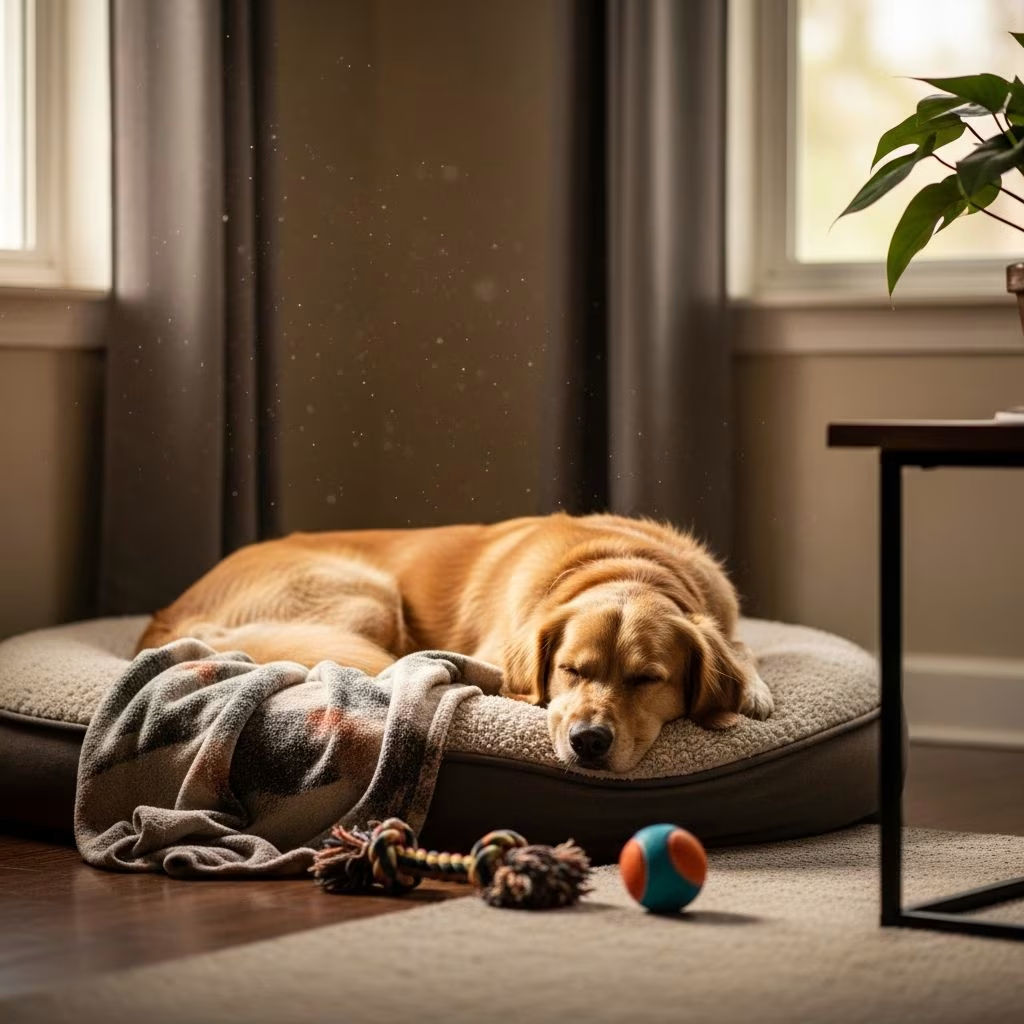
Do Dogs Need Time Alone?
Dogs are social creatures that thrive on human companionship and interaction with other pets. However, this doesn’t mean they should be in constant company throughout their entire day. Yes, dogs absolutely need time alone, and this alone time is just as important as their playtime, walks, and social interactions. Whether you have a single dog or multiple dogs in your household, incorporating structured alone time into your pet’s routine is essential for their physical and mental well-being.
Understanding Your Dog’s Need for Alone Time
Many dog owners struggle with the concept of leaving their dogs alone, fearing their pets will experience anxiety or loneliness. However, learning to be comfortable when alone is a crucial life skill for dogs, just as it is for humans. Dogs who are never taught to be independent may develop separation anxiety, excessive dependence on human attention, or behavioral problems when left unsupervised.
The need for alone time varies from dog to dog based on factors such as age, breed, personality, and individual temperament. Puppies require more frequent breaks and shorter alone periods, while adult dogs can typically handle longer stretches of independence. Some breeds are naturally more independent, while others have been bred for constant human companionship and may require a more gradual approach to building their comfort with solitude.
Benefits of Giving Dogs Time Alone
There are numerous advantages to incorporating regular alone time into your dog’s routine:
- Stress and Anxiety Management: Dogs can become overwhelmed by constant stimulation from playtime, household activity, new environments, or interactions with unfamiliar people and animals. Alone time provides a calm refuge where your dog can decompress and manage daily stress.
- Prevention of Behavioral Issues: Dogs who experience constant overstimulation may develop behavioral problems including excessive barking, destructive chewing, jumping on guests, or nervous behaviors. Structured downtime helps prevent these issues.
- Development of Independence: When dogs learn to be comfortable alone, they develop confidence and self-reliance. This independence reduces over-reliance on human attention and strengthens their ability to self-soothe and manage their emotions.
- Essential Life Skills: Alone time teaches dogs crucial skills such as self-regulation, problem-solving, and coping with boredom. These skills build resilience and adaptability that serve them throughout their lives.
- Undivided Attention When Together: When you do spend time with your dog, the interaction is more meaningful and engaging. Dogs appreciate quality time with their owners, and they’re often more receptive and responsive after having had a rest period.
- Healthier Sleep Patterns: Dogs need adequate rest to maintain physical and mental health. Structured downtime promotes better sleep quality and ensures your dog gets the rest their body requires.
Alone Time in Multidog Households
If you have more than one dog, giving them time apart can be particularly beneficial. Even dogs who are best friends and genuinely adore each other benefit from occasional separation. Many behaviors that go unnoticed in multidog households become apparent when one dog is alone.
For example, a dog might not play with toys or chew on bones when another dog is present, simply because the other dog takes them away. When separated, that same dog may spend hours enjoying these activities independently. Additionally, younger dogs can get more vigorous exercise when not held back by the pace of older dogs in the household. Dogs who value peace and quiet may appreciate the tranquility of being the only dog. Other dogs might enjoy training or playtime without interruptions from their housemates.
Finding time for individual dogs doesn’t require a major lifestyle overhaul. Even one walk or activity per week, or a couple of 15-minute play sessions, can make a significant difference. The key is consistency. These small breaks prevent minor irritations from building up between dogs and give each pet quality one-on-one time with their owner.
How Much Alone Time Is Appropriate?
The amount of alone time your dog needs depends on their age, health, and individual needs. However, there are general guidelines to follow. Dogs should not spend more than six to eight hours alone without a chance to relieve themselves. A life spent in constant isolation—such as in a basement, kennel, or tied outside all day—is not fulfilling for dogs, as they are inherently social animals.
For puppies, the process is gradual. Young puppies need to learn how to be alone over time, working their way up from constant supervision to being comfortable during a typical eight-hour workday. Adult dogs generally adjust well to alone time with proper training and preparation. Senior dogs may have different needs based on their health status and comfort levels.
Teaching Your Dog to Be Comfortable Alone
Creating comfort with alone time requires patience, consistency, and a strategic approach. Here are the key steps to help your dog develop independence:
Start Small and Build Gradually
Begin with very short periods of separation, even just a few minutes. Gradually extend the duration over several days or weeks, depending on your dog’s response. This gradual approach is particularly important if your dog shows any signs of anxiety. Taking your time during this process prevents setbacks and builds your dog’s confidence progressively.
Create a Safe and Comfortable Space
Establish a designated area where your dog feels secure during alone time. This could be a crate, exercise pen, or specific room. The space should contain:
- A comfortable bed or cushion
- Fresh water
- Access to a bathroom area or potty pad if needed
- Toys and enrichment items
Use Positive Associations
Leave special treats, treat-dispensing toys, or puzzle feeders that your dog only receives during alone time. Interactive toys such as puzzle feeders not only provide mental stimulation but also reward your dog’s independent problem-solving efforts. Rotate these toys regularly to maintain novelty and interest. These positive associations help your dog view alone time as an enjoyable experience rather than something to dread.
Provide Mental Enrichment
Dogs need mental stimulation to stay engaged during alone time. Providing a variety of engaging toys and puzzles helps keep their mind active and prevents boredom. Toys that dispense treats over an extended period, puzzle toys that require problem-solving, and chew toys all serve this purpose. Regularly introducing new toys and rotating existing ones prevents habituation and maintains your dog’s interest.
Manage Your Departures and Arrivals
Avoid making a big fuss when leaving or returning home. Dramatic goodbyes or enthusiastic greetings can inadvertently reinforce anxiety or excitement associated with separation. Instead, exit and enter your home calmly. When you return, wait for your dog to settle before giving them attention. This low-key approach helps your dog understand that your departures and arrivals are routine, unremarkable events.
Address Separation Challenges Thoughtfully
If your dogs struggle with separation, especially in multidog households, develop a strategic plan. If multiple people live in your home, have each person take one dog out for activities simultaneously, so neither dog feels left behind. If you’re the only human in the household, leave something engaging and tasty to chew on with one dog while you take the other out for activities. This ensures that being separated feels less like abandonment and more like a normal part of the routine.
Tailoring Alone Time to Your Dog’s Needs
Every dog is unique, and their alone time needs should reflect their individual personality, age, breed, and temperament. Observe your dog’s behavior carefully and adjust their routine accordingly. Some dogs naturally thrive with more independence, while others need additional reassurance and a slower progression toward solitude.
Puppies require more frequent naps and shorter alone periods than adult dogs. Senior dogs may need more frequent bathroom breaks and might benefit from shorter alone periods. Some breeds are naturally more prone to separation anxiety and require a more gradual, patient approach. High-energy dogs might benefit from vigorous exercise before alone time to help them rest more peacefully. Anxious dogs might benefit from calming aids such as background music, white noise, or anxiety wraps while learning to be alone.
The Importance of Balanced Routine
The goal is to create a balanced routine that includes both togetherness and independence. Dogs need social time with their owners, interactive play, exercise, and training. However, they equally need periods of rest, solitude, and unstructured time to process their day and develop self-sufficiency.
Incorporating alone time doesn’t mean neglecting your dog or being a poor owner. Rather, it’s an essential component of responsible pet ownership that contributes to your dog’s long-term well-being, behavioral health, and happiness. Dogs who are comfortable being alone are more adaptable to life’s inevitable changes, whether that’s a job change, a move, or any other circumstance that requires flexibility.
Frequently Asked Questions (FAQs)
Q: Is it cruel to leave my dog alone during the day?
A: No, it is not cruel to leave your dog alone for reasonable periods, provided they have been properly trained to be comfortable with solitude. Dogs should not spend more than six to eight hours alone without a potty break, and they need adequate mental stimulation and comfort during alone time. However, a life spent in constant isolation is unhealthy and unfulfilling.
Q: How do I know if my dog has separation anxiety?
A: Signs of separation anxiety include excessive barking or howling when you leave, destructive behavior focused on exit points, accidents in the house despite being housetrained, pacing, drooling, or extreme distress when you prepare to leave. If you suspect separation anxiety, consult with a certified trainer or veterinary behaviorist for professional guidance.
Q: What’s the best way to introduce a dog to being alone?
A: Start with very short periods of alone time (just a few minutes) and gradually increase the duration over days or weeks. Use positive associations such as special treats or toys that only appear during alone time. Create a safe, comfortable space and maintain a calm demeanor when leaving and returning. Consistency and patience are key.
Q: Can I crate my dog during alone time?
A: Yes, a properly sized crate can be an excellent safe space for alone time, provided your dog has been crate-trained properly and the crate is never used as punishment. Ensure your dog can stand, turn around, and lie down comfortably. However, if your dog needs to eliminate, make sure they have access to appropriate potty areas when alone for extended periods.
Q: How often should dogs be alone each week?
A: There’s no set schedule, but incorporating regular alone time throughout your dog’s week is beneficial. For multidog households, even occasional time apart—such as one walk per week or a couple of 15-minute play sessions—provides significant benefits. The key is consistency and making it a normal part of their routine.
Q: Will my dog forget me if I leave them alone too much?
A: No, dogs won’t forget you. A dog’s attachment to their owner is not diminished by reasonable alone time. In fact, dogs often appreciate their owners more after time apart. The key is ensuring that when you are together, your interactions are positive and engaging.
References
- Why Dogs Need Structured Downtime and Alone Time — Dances With Dogs. https://danceswithdogs.com/why-dogs-need-structured-downtime-and-alone-time/
- How to Give Your Dogs a Break from Each Other — Kinship. https://www.kinship.com/dog-behavior/do-dogs-need-time-alone
- Alone Time for Dogs: How Much Is Too Much? — American Kennel Club. https://www.akc.org/expert-advice/training/alone-time-dogs-how-much/
- Dogs Need Together Time and Alone Time, Just Like Us — Psychology Today. https://www.psychologytoday.com/us/blog/animal-emotions/201905/dogs-need-together-time-and-alone-time-just-like-us



