

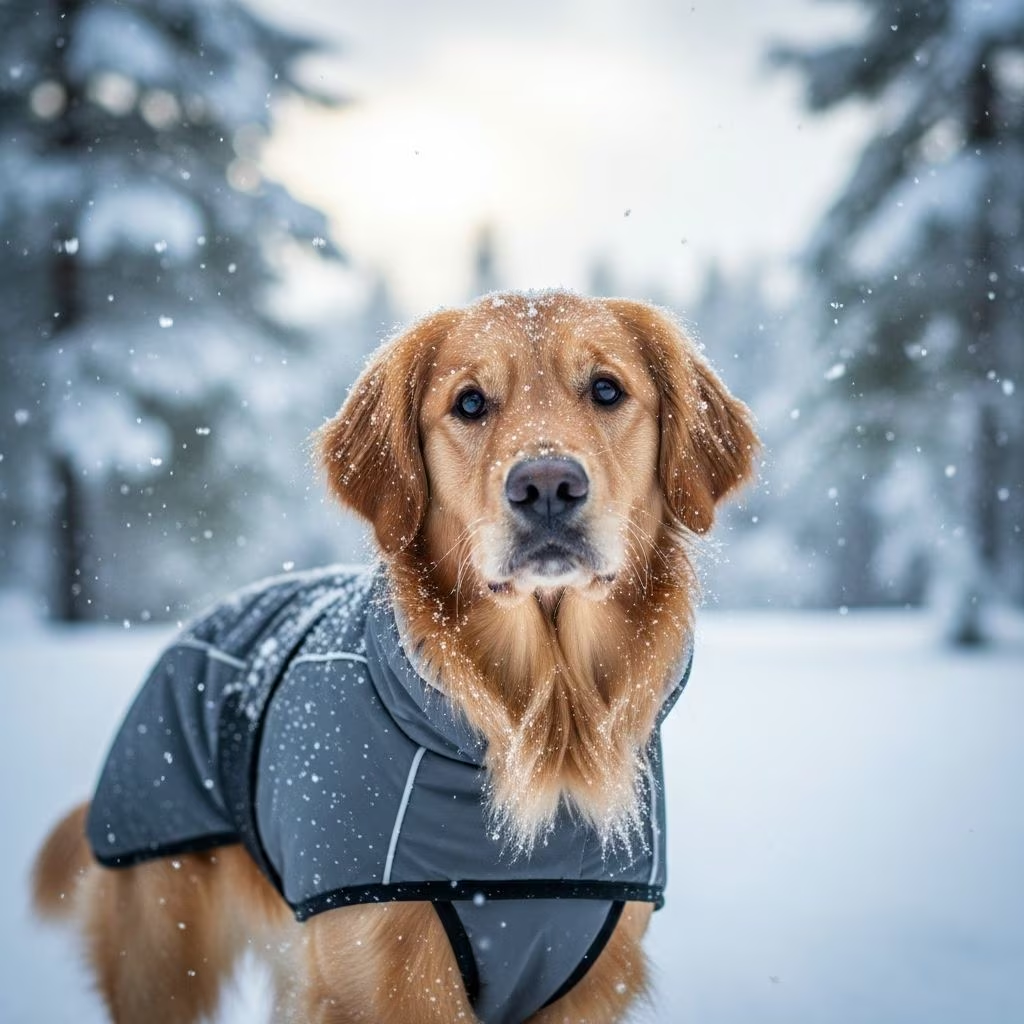
Do Dogs Need Sweaters and Coats in Winter?
When temperatures drop and snow begins to fall, many pet parents wonder whether their dogs need extra protection from the cold. The question “do dogs need sweaters in winter?” doesn’t have a one-size-fits-all answer. Dr. Rachel Barrack, DVM, CVA, CVCH of Animal Acupuncture in New York City, explains that “when the temperature drops, some dogs may benefit from dog sweaters or dog jackets to keep warm.” Whether your dog needs winter clothing depends on several important factors, including breed, size, coat type, age, and overall health.
Understanding your dog’s individual needs can make the difference between a comfortable winter and unnecessary suffering during cold months. Some dogs are naturally equipped with insulation to handle frigid temperatures, while others struggle to maintain body heat outdoors. By learning which factors influence your dog’s need for winter clothing, you can make informed decisions about their comfort and safety.
The Size of Your Dog Matters
One of the most significant factors in determining whether your dog needs a sweater is their size. Dogs who have trouble generating and maintaining body heat on their own may need sweaters or coats during cold weather. Smaller dogs are particularly vulnerable to cold temperatures because they have less body mass to generate heat and are positioned closer to the cold ground.
“Dog clothes in wintertime are recommended in small toy breed dogs or dogs with short hair coats (either naturally or due to grooming),” says Dr. Barrack. Small toy breeds like Chihuahuas, Yorkshire Terriers, Miniature Pinschers, and similar small-stature dogs typically lack sufficient body fat to maintain warmth without additional protection. These breeds often require a jacket whenever temperatures drop significantly.
Even larger dogs with thin body types may need winter clothing. Greyhounds and similar lean breeds, despite their larger size, have minimal body fat and thin coats that provide little insulation. These dogs often benefit from wearing a sweater during cold weather months, regardless of their overall size.
Coat Type: Understanding Natural Insulation
The type and thickness of your dog’s coat play crucial roles in their ability to stay warm naturally. Dogs with double coats have two layers of fur—a soft undercoat and a tougher outer layer—that work together to trap air and provide excellent insulation. These breeds have evolved over centuries to thrive in cold climates and generally don’t need additional clothing.
Short-haired and hairless breeds, on the other hand, lack this natural insulation. Dogs with minimal coat coverage, such as Greyhounds, Whippets, and Chinese Crested Dogs, typically benefit from wearing sweaters in cold weather. These breeds were not naturally designed to handle extreme cold and depend on external protection to maintain comfortable body temperatures.
Some dogs have thick coats that owners regularly groom or crop short for aesthetic reasons or to prevent matting. Poodles are a prime example—while they grow thick hair naturally, owners often keep their coats short. These short-cropped dogs should wear a sweater to protect them from very low temperatures, even though their breed might naturally have thicker fur.
Age and Health Considerations
Beyond breed and size, your dog’s age and health status significantly impact their cold tolerance. Senior dogs and puppies have difficulty regulating their body temperature effectively, making them more susceptible to the cold. Older dogs with weaker immune systems benefit from the extra warmth provided by a sweater, even during mild winter weather.
Dogs with certain health conditions require additional protection. “Other dogs [who] may need sweaters are older dogs with compromised immune systems or dogs with endocrine issues that result in thinned coats,” explains Dr. Barrack. Conditions such as Cushing’s disease and hypothyroidism impact hair growth and overall thermoregulation. A jacket helps trap body heat and prevents elderly or sick dogs from getting uncomfortably cold.
Puppies, similar to senior dogs, cannot regulate their body temperature as effectively as healthy adult dogs. Young puppies may benefit from wearing a sweater during winter walks, particularly if they are small breeds or have short coats.
Which Dogs Don’t Need Winter Sweaters
Some dogs are naturally equipped to handle cold weather and actually may overheat if dressed in winter clothing. Large breed dogs with thick coats have evolved to thrive in colder climates and possess natural insulation that functions like a built-in sweater.
“Large breed dogs with thick coats, like Bernese Mountain, Saint Bernard, Newfoundland and Siberian Huskies, among others, do not require extra insulation from a coat or a sweater in the winter,” says Dr. Barrack. These breeds have developed dense undercoats with waterproof properties that provide superior protection against cold and moisture. Putting a jacket on these dogs could cause them to overheat and hinder their natural body temperature control mechanisms.
Other cold-weather breeds that typically don’t need sweaters include Alaskan Malamutes, German Shepherds with double coats, and similar large breeds developed for cold climates. Putting clothing on these breeds can trap too much heat and lead to overheating, even during winter months.
Signs Your Dog Needs a Sweater
If you’re unsure whether your dog needs winter clothing, watch for these telltale signs that indicate your pup may need additional warmth:
- Shivering or trembling when outdoors or in cool indoor spaces
- Seeking warm places to curl up frequently
- Reluctance or refusal to go outside for bathroom breaks
- Hunching posture or tucking their tail between their legs
- Cold ears, nose, or body when you touch them
- Whining or showing signs of distress in cold weather
If your dog displays any of these behaviors during cold weather, they likely need a coat or sweater for comfort and safety. One simple guideline: if you’re putting on a winter coat and boots, your dog probably needs extra coverage too.
Temperature Guidelines for Winter Dog Clothing
Understanding at what temperature your dog should wear a sweater helps you make timely decisions about their protection. Generally, temperatures below 45°F (7°C) can be too cold for sensitive dogs, particularly small breeds, short-haired dogs, and seniors. However, the specific temperature threshold depends on your individual dog’s characteristics.
As a general rule, small dogs and those with short coats should wear sweaters or winter jackets when temperatures drop below 40 degrees Fahrenheit. Toy breeds may need protection at even higher temperatures, especially during outdoor activities. Monitor your dog’s behavior during outdoor time—even some small dogs can tolerate cold weather during short walks if they’re accustomed to it.
It’s also important to consider indoor sweaters. If your home is kept below 68°F (20°C), your dog may benefit from wearing a sweater indoors, though you should monitor them for signs of overheating. Some dogs may need extra warmth indoors during winter months when heating is minimal.
Benefits of Winter Dog Clothing
Winter sweaters and jackets offer multiple benefits beyond simple warmth. Understanding these advantages can help you determine if your dog would benefit from winter clothing:
Warmth and Insulation: The primary benefit of winter sweaters for dogs is insulation. A dog’s winter coat helps them regulate their body temperature more effectively during cold weather, similar to how your winter coat helps you stay warm. Dogs with short fur or those who cannot control their body temperatures effectively benefit significantly from this added layer.
Protection from Elements: Winter weather brings snow, ice, wind, and rain—all of which make temperatures feel much colder, especially for smaller dogs positioned closer to the ground. A winter sweater helps keep your dog dry and protected from these harsh elements, making them feel warmer and more comfortable during outdoor activities.
Reduced Health Risks: Proper winter clothing can help prevent cold-related health issues. While a sweater cannot single-handedly prevent hypothermia or frostbite, it significantly reduces your dog’s risk when combined with other precautions like limiting outdoor time and monitoring for signs of distress.
Potential Drawbacks of Dog Winter Clothing
While winter clothing offers significant benefits for many dogs, there are some important considerations and potential drawbacks:
Overheating Risk: Dogs with thick, dense double coats designed for winter weather don’t need sweaters and may become dangerously overheated if dressed in extra clothing. Breeds developed for colder climates have natural insulation and waterproof coat properties that function optimally without additional layers. Overheating can lead to dehydration and other health complications.
Coat Care and Maintenance: Winter sweaters can affect your dog’s natural coat. Extended wear may cause matting or irritation, particularly in dogs with longer hair. Regular grooming and monitoring of the skin underneath the sweater help prevent these issues.
Restricting Natural Movement: Poorly fitting sweaters can restrict your dog’s movement and range of motion, potentially causing discomfort or behavioral changes. Choosing properly fitted clothing that allows full mobility is essential.
Choosing the Right Winter Sweater for Your Dog
When selecting a winter sweater or jacket for your dog, several factors should guide your decision:
Proper Fit: The sweater should fit snugly without being too tight. You should be able to fit two fingers comfortably between the sweater and your dog’s body. The sweater should cover the back and belly without restricting movement or bathroom activities.
Material Quality: Choose sweaters made from warm, durable materials that resist moisture. Water-resistant or waterproof fabrics provide better protection in snowy or wet conditions. Fleece and wool blends offer excellent insulation while remaining breathable.
Weather Appropriateness: Select a sweater weight appropriate for your climate. Light sweaters work for mild winters, while heavier jackets with insulation are better for extreme cold. Consider getting different weights for varying temperatures throughout the season.
Easy Care: Choose sweaters that are easy to clean and maintain. Machine-washable options reduce the burden of upkeep and help maintain hygiene.
Frequently Asked Questions
Do all dogs need sweaters in winter?
No, not all dogs need winter sweaters. Large breed dogs with thick double coats, such as Huskies, Malamutes, and Saint Bernards, have natural insulation and typically don’t need extra clothing. Small breeds, short-haired dogs, older dogs, and dogs with health conditions usually benefit from winter clothing.
At what temperature should my dog wear a sweater?
As a general guideline, dogs should wear sweaters when temperatures drop below 40 degrees Fahrenheit. However, small breeds, puppies, seniors, and dogs with health issues may need protection at higher temperatures. Always monitor your individual dog’s response to cold weather.
Can I leave a sweater on my dog inside the house?
Indoor sweaters may be necessary if your home is kept below 68°F (20°C), but you should monitor your dog for signs of overheating. Most indoor environments are warm enough that dogs don’t need sweaters inside, except in very cold homes or for certain senior dogs with compromised circulation.
How do I know if my dog is too hot in their sweater?
Signs of overheating include excessive panting, drooling, lethargy, or reluctance to move. If you notice these symptoms, remove the sweater immediately. Dogs with thick coats are particularly prone to overheating, even in moderately cool temperatures when wearing extra clothing.
Are there any health risks associated with dogs wearing sweaters?
Potential issues include matting or skin irritation from extended sweater wear, overheating in breeds with thick coats, or restricted movement if the sweater doesn’t fit properly. Choose well-fitting sweaters and monitor your dog’s comfort and skin health regularly.
Should puppies wear sweaters in winter?
Puppies, particularly small breeds or those with short coats, may benefit from wearing sweaters during winter months. Young puppies have difficulty regulating their body temperature effectively, similar to senior dogs, making them more vulnerable to cold.
References
- Do Dogs Need Sweaters and Coats in Winter? — Chewy Education. 2024. https://www.chewy.com/education/dog/general/dogs-need-sweaters-winter
- Do Dogs Need Sweaters in Winter? — PetMD. 2024. https://www.petmd.com/dog/seasonal/evr_dg_sweaters_for_dogs
- Does Your Dog Need a Sweater? Benefits of Dog Sweaters — American Kennel Club. 2024. https://www.akc.org/expert-advice/lifestyle/sweaters-for-dogs/
- Do Dogs Need Sweaters In Winter? Pros & Cons To Consider — Dutch Pet Telehealth. 2024. https://www.dutch.com/blogs/dogs/do-dogs-need-sweaters-in-winter
- Do Dogs Need Coats In The Winter? — VCA Animal Hospitals. 2024. https://vcahospitals.com/shop/articles/what-to-consider-when-choosing-a-dog-jacket
- Do Dogs Need Sweaters in Winter? — PetsCare.com. 2024. https://www.petscare.com/news/post/dogs-need-sweaters-in-winter



