

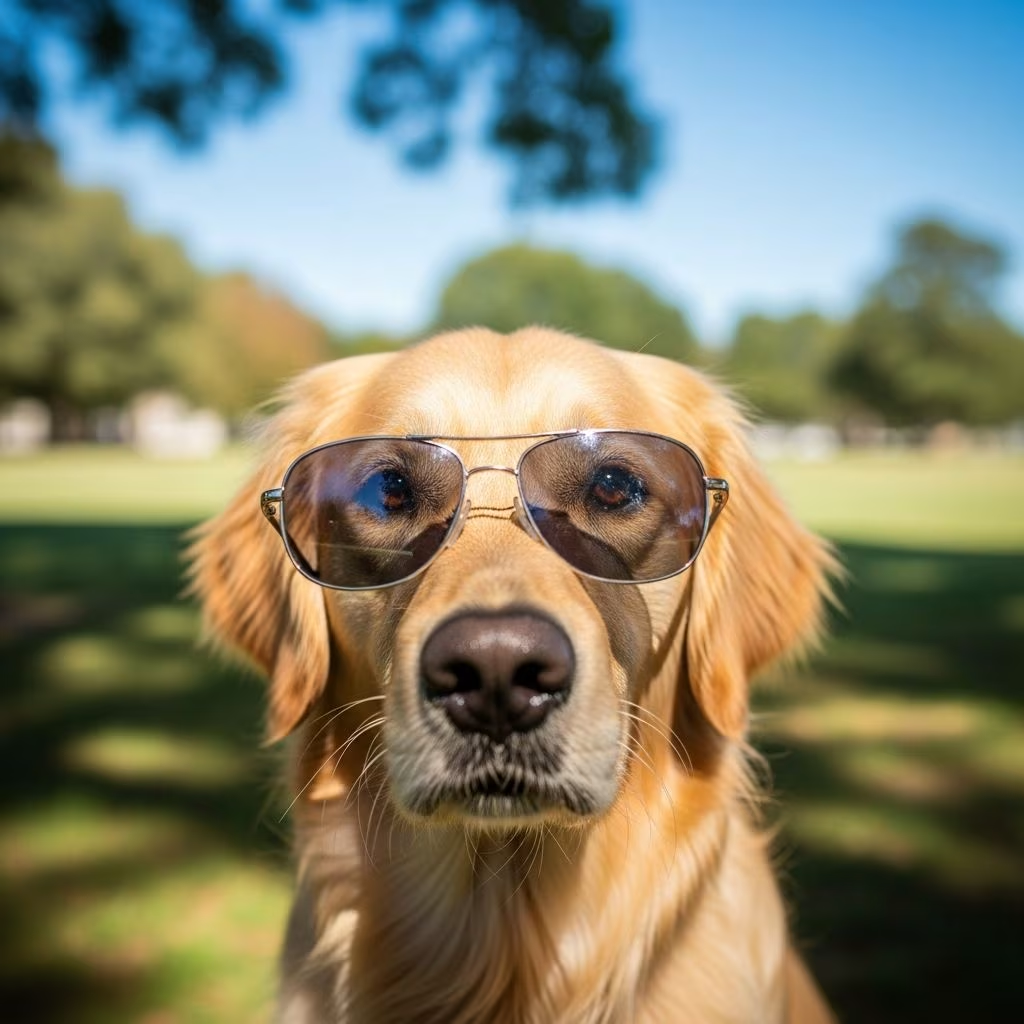
Dogs encounter significant environmental exposure during outdoor activities, raising questions about whether they require sunglasses for eye protection. While human eyes benefit from shades to combat cumulative UV damage leading to cataracts and macular degeneration, canine eyes differ in vulnerability due to shorter lifespans and distinct anatomy. This article delves into the necessity, advantages, selection criteria, and practical considerations for dog eyewear, helping pet owners make informed decisions.
Understanding Canine Eye Anatomy and UV Sensitivity
Dogs possess a third eyelid, known as the nictitating membrane, which provides additional moisture and protection compared to human eyes. Their corneas and lenses filter some UV rays naturally, reducing the risk of long-term damage that accumulates over decades in humans. Veterinary ophthalmologists note that dogs rarely develop UV-induced cataracts; instead, hereditary factors or diabetes more commonly cause them.
However, certain dogs face heightened risks. Light-colored eyes in breeds like Huskies or Blue Heelers absorb more UV, potentially leading to conditions such as pannus—an immune-mediated corneal inflammation exacerbated by sun exposure. High-altitude working dogs, like those in mountainous regions, experience intensified UV due to thinner atmospheric layers, making protective measures more relevant.
Key Benefits of Protective Eyewear for Dogs
Beyond fashion, dog sunglasses or goggles serve practical purposes tailored to specific scenarios.
- Shielding from Debris and Wind: Active dogs hiking, biking, or riding in cars with heads out windows face risks from dust, pollen, sand, or foxtails embedding in eyes, causing ulcers or abrasions. Brachycephalic breeds like Pugs and Bulldogs, with prominent eyes, are particularly susceptible to injuries.
- UV and Glare Reduction: For dogs with existing conditions or frequent water exposure (swimming, dock diving), tinted lenses block harmful rays, minimizing glare off water and irritation from chlorine or saltwater.
- Support for Medical Conditions: Blind dogs or those with cataracts benefit from reduced light scatter, which can overwhelm remaining vision. Goggles aid post-surgery recovery or manage infections by barring contaminants.
- Weather and Activity Protection: In snowy, windy, or rainy conditions, eyewear prevents irritation and eases anxiety in unfamiliar environments by creating a secure barrier.
Working dogs in law enforcement, search and rescue, or herding at high speeds gain from this gear, preventing injuries in harsh settings.
Comparing Types of Dog Eye Protection
Not all eyewear suits every dog. Here’s a breakdown:
| Type | Pros | Cons | Best For |
|---|---|---|---|
| Goggles | Secure fit with straps, full coverage, UV/blocking lenses | May fog, bulkier | Active/outdoor dogs, debris protection |
| Sunglasses/Visors | Lighter, stylish, less intrusive | Less secure, no full seal | Casual use, glare reduction |
| Tinted Lenses | Reduces light scatter for cataracts | Not for all breeds | Medical conditions |
Goggles dominate due to retainers ensuring they stay put during vigorous play. Avoid human sunglasses, as dogs won’t tolerate loose frames.
How to Choose the Right Fit and Features
Proper sizing prevents discomfort or injury. Measure your dog’s head circumference and snout length, then match to manufacturer charts. Key features include:
- Adjustable neoprene straps for snug, non-pinching hold.
- UV400-rated polycarbonate lenses for 100% UVA/UVB block.
- Anti-fog and scratch-resistant coatings for durability.
- Lightweight foam padding to avoid pressure sores.
Introduce gradually: Start indoors for short sessions, rewarding with treats to build positive associations. If pawing persists, discontinue and vet-check for fit issues.
When Eye Protection Becomes Essential
Consult a vet for breeds prone to dry eye, glaucoma, or uveitis, or if your dog shows squinting, redness, or discharge. Scenarios warranting eyewear:
- Daily high-UV exposure (beaches, snow, water sports).
- Brachycephalic or light-eyed breeds.
- Post-eye surgery or chronic conditions.
- Travel involving speedboats, motorcycles, or dusty trails.
For blind dogs, protection mitigates collision risks, though tolerance varies. High-elevation or outdoor workers like farm dogs need it against pannus.
Potential Drawbacks and Safety Tips
Dislodged eyewear can scratch corneas, so monitor closely. Some dogs resist, causing stress—never force if it leads to rubbing. Clean lenses regularly to prevent bacteria buildup. Store in protective cases to maintain integrity.
Vets emphasize balance: Protection aids but shouldn’t hinder natural behaviors like drinking or navigating.
Real-World Applications and Owner Experiences
Pet parents report success with beach-loving Retrievers using goggles against sand and saltwater. Cyclists praise debris shielding for trail-running companions. For a Pug with chronic dry eye, tinted visors reduced flare-ups, per anecdotal veterinary feedback. Working K-9s in arid climates show fewer corneal issues with routine use.
Frequently Asked Questions (FAQs)
Are dog sunglasses necessary for everyday walks?
Typically no, but useful in bright, windy, or dusty conditions.
Can puppies wear eye protection?
Yes, if sized properly, but consult a vet for growing eyes.
What if my dog hates wearing them?
Train gradually; if unsuccessful, alternatives like visors or limiting exposure work.
Do they help with cataracts?
They reduce glare and protect from further injury, but aren’t a cure.
How often should I replace dog goggles?
Every 1-2 years or if lenses scratch, per usage intensity.
Conclusion: A Tailored Choice for Your Pup
Dog sunglasses aren’t a universal must-have but shine in targeted situations—from adventure safeguards to medical aids. Prioritize vet advice, proper fit, and your dog’s comfort to maximize benefits without drawbacks. With the right gear, sunny days become safer romps for your four-legged friend.
References
- Do Dogs Need Sunglasses? — Hill’s Pet Nutrition. 2023-05-15. https://www.hillspet.com/dog-care/routine-care/dog-sunglasses
- Understanding Pet Vision – A Guide to Pet Sunglasses — NoIR Insight. 2024-02-10. https://www.noirinsight.com/understanding-pet-vision
- Eye Protection for Dogs: Goggles, Sunglasses, and More — American Kennel Club (AKC). 2024-07-22. https://www.akc.org/expert-advice/lifestyle/eye-protection-for-dogs/
- Eye Protection for Dogs: Is It Necessary? — PetMD. 2024-11-05. https://www.petmd.com/dog/care/eye-protection-dogs-it-necessary
- UV Safety for You and Your Dog — AZ Medical Group. 2023-08-20. https://www.dmgaz.org/uv-safety/
- Dogs With Glasses – Do Dogs Wear Glasses? — Northwest Animal Eye Clinic. 2024-04-22. https://www.northwestanimaleye.com/site/blog/2024/04/22/dogs-glasses



