

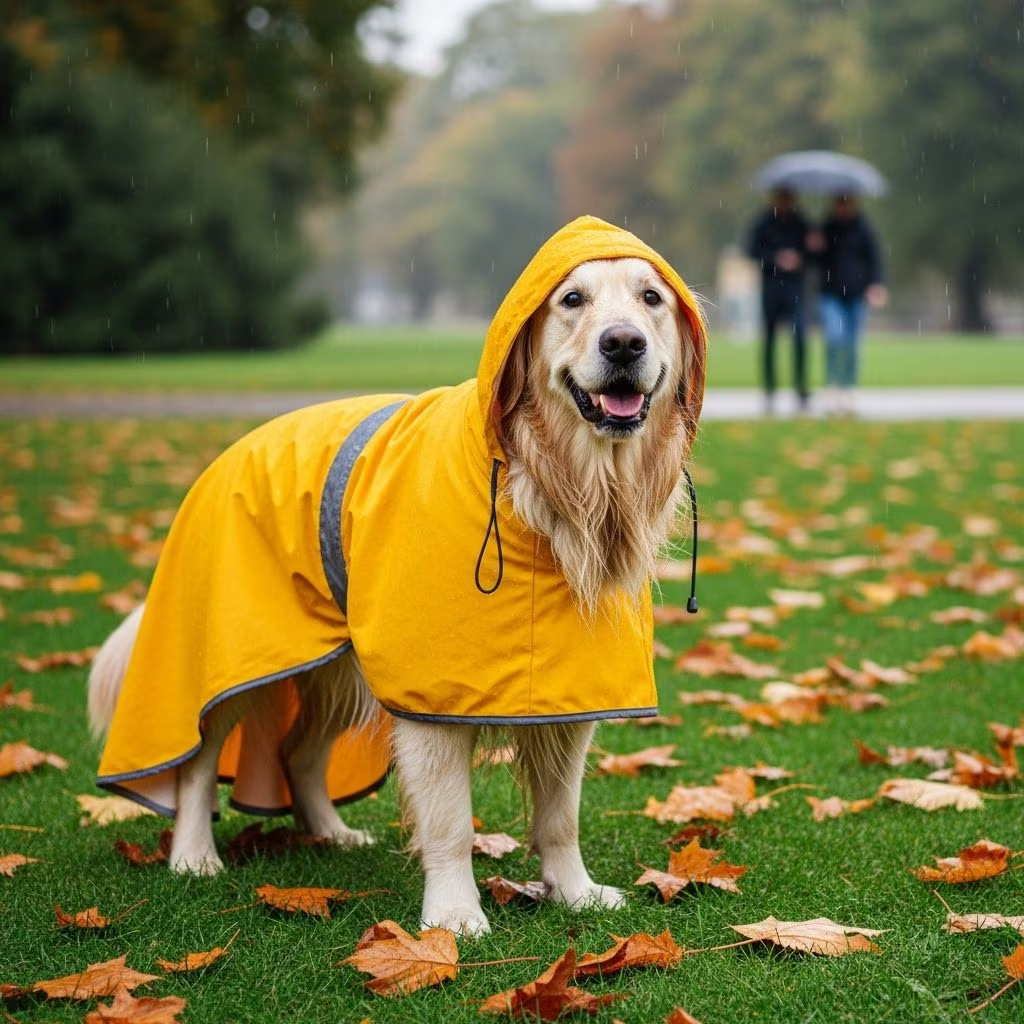
Many dogs thrive in various weather conditions thanks to their natural coats, but certain breeds require extra protection during rainy spells to prevent chilling, maintain warmth, and avoid health issues. Raincoats serve as a vital layer for dogs with thin fur or body structures prone to wetness, ensuring comfortable outdoor adventures year-round.
Understanding Canine Coat Types and Weather Vulnerability
Dogs’ coats vary significantly, influencing their ability to handle rain. Single-coated breeds possess only a sleek outer layer without the insulating undercoat that traps heat, making them susceptible to cold when wet. Examples include Boxers, Dalmatians, Whippets, and Maltese, which lose body heat rapidly in damp conditions. In contrast, double-coated dogs like Labrador Retrievers, Golden Retrievers, German Shepherds, and Siberian Huskies feature a dense undercoat beneath a water-repellent guard hair, providing natural insulation even after exposure to moisture.
Coat length and density further play a role. Short-haired breeds often struggle to generate sufficient body heat, particularly if they have lean builds. Long-haired varieties might mat or become waterlogged, leading to discomfort and extended drying times. Hairless breeds, such as the Xoloitzcuintli, American Hairless Terrier, and Chinese Crested, offer no natural barrier against rain, necessitating protective gear to prevent rapid cooling and skin issues.
Breeds Most Likely to Benefit from Rain Protection
Not every dog requires a raincoat, but specific types gain substantial advantages. Toy and small breeds, including Yorkshire Terriers, Chihuahuas, Pomeranians, and Shih Tzus, have limited body mass for heat retention, making them prone to shivers in light drizzle. These dogs’ fine fur absorbs water easily, heightening chill risks during walks.
Sighthounds like Greyhounds and Whippets, along with bully breeds such as American Pit Bull Terriers and American Staffordshire Terriers, feature thin coats and athletic physiques that prioritize speed over insulation. They chill quickly when inactive in wet weather. Short-nosed brachycephalic dogs, like French Bulldogs and Pugs, face amplified risks due to inefficient thermoregulation and short coats.
| Breed Category | Examples | Why They Need Raincoats |
|---|---|---|
| Single-Coated | Boxer, Dalmatian, Whippet | Lack undercoat; get cold fast when wet |
| Toy/Small | Yorkshire Terrier, Chihuahua, Pomeranian | Low body heat generation; thin fur |
| Bully/Sighthound | Pit Bull, Greyhound | Lean build chills easily in damp air |
| Hairless | Xoloitzcuintli, Chinese Crested | No fur protection; skin vulnerable |
Special Considerations for Low-to-the-Ground Dogs
Short-legged breeds encounter unique challenges in wet environments. Dachshunds, Corgis, Basset Hounds, and French Bulldogs have bellies that brush against soaked grass or puddles, leading to muddy undercarriages and potential skin irritations. Raincoats with belly coverage shield these areas, keeping dogs cleaner and reducing post-walk grooming. Active puddle-lovers like Cocker Spaniels and Nova Scotia Duck Tolling Retrievers also benefit from full-body coverage to block mud, road salt, and pollutants.
- Cleaner outings: Prevents splash-up from short legs, minimizing bath needs.
- Health safeguard: Reduces exposure to contaminants in runoff water.
- Comfort boost: Keeps vulnerable undersides dry during play.
Health Advantages of Using Dog Raincoats
Beyond dryness, raincoats promote overall well-being. Prolonged wetness compromises immune function, raising risks for respiratory problems like pneumonia, especially in short-coated or small dogs. Insulated linings in many designs add warmth, crucial for breeds sensitive to temperature drops.
For hairless and thin-skinned dogs, barriers prevent bacterial or fungal overgrowth from trapped moisture, averting dermatitis. Even double-coated dogs dry slower after saturation, and raincoats expedite this process while preserving coat integrity. In colder seasons, layering with thermal pieces suits sensitive types like Lagotto Romagnolo or Dalmatians.
When Double-Coated Dogs Might Still Need Gear
While robust, double-coated breeds aren’t invincible. Labs repel water effectively, but heavy downpours can overwhelm their outer layer, prolonging drying. Border Collies’ weather-resistant fur handles light rain, yet extreme conditions or post-swim chills warrant protection. Summer raincoats, unlined and lightweight, suit thick-furred dogs like Bernese Mountain Dogs to repel mud without overheating.
- Prolonged exposure scenarios.
- Muddy terrains.
- Post-exercise cooldowns in damp air.
Selecting the Ideal Raincoat for Your Dog
Fit is paramount for efficacy. Adjustable straps accommodate diverse shapes, from barrel-chested bulldogs to slender greyhounds. Waterproof materials like nylon or polyurethane ensure durability, while breathable options prevent overheating during activity.
Consider coverage: hoods for heads, belly flaps for shorties, and reflective strips for visibility. Sizes range from XS for toys to XXL for giants; measure girth and back length accurately. Test for mobility—coats shouldn’t restrict movement.
Seasonal and Activity-Based Recommendations
Tailor choices to lifestyle. Active short-haired terriers like Parson Russell benefit from all-in-one waterproof winter coats. Hikers pair lightweight unlined versions with thick-coated trail dogs. Urban walkers prioritize pollutant protection.
| Season/Activity | Recommended Type | Suitable Breeds |
|---|---|---|
| Winter Walks | Insulated waterproof | French Bulldog, Pit Bull |
| Summer Hikes | Unlined lightweight | Bernese, Cocker Spaniel |
| Daily Urban | Belly-covering with reflectors | Dachshund, Pug |
Frequently Asked Questions
Are raincoats necessary for all dogs?
No, double-coated breeds often manage without, but single-coated, small, or hairless dogs greatly benefit.
Can raincoats cause overheating?
Choose breathable, unlined models for mild weather; remove during dry, warm conditions.
How do I size a raincoat properly?
Measure from neck base to tail base, plus girth behind front legs; opt for adjustable fits.
Do raincoats help with shedding or matting?
Yes, by keeping coats drier, they reduce matting in long-haired dogs and ease grooming.
Are there raincoats for puppies or seniors?
Many brands offer scalable sizes; prioritize lightweight, joint-friendly designs for elders.
Maintaining Your Dog’s Raincoat
Regular cleaning extends lifespan—machine-washable models simplify care. Air-dry to preserve waterproofing; inspect seams for wear. Store flat to avoid creases.
References
- Which Dogs Need Raincoats? — Whole Dog Journal. 2023. https://www.whole-dog-journal.com/lifestyle/dog-gear/which-dogs-need-raincoats/
- Do Dogs Need Raincoats? The Answer Might Surprise You — SparkPaws. 2023. https://www.sparkpaws.com/blogs/community/do-dogs-need-raincoats
- When does your dog need a raincoat? — Hurtta. 2024. https://hurtta.com/en-us/blogs/guides/rainy-day-heroes
- Does My Dog Need A Raincoat? — Voyagers K9 Apparel. 2023. https://k9apparel.com/blogs/resources/does-my-dog-need-a-raincoat
- GUIDE TO DOG COATS — Cloud7. 2024. https://cloud7.de/en-us/blogs/magazine/guide-dog-coats
- Does Your Dog Need a Raincoat? When to Use Dog Raincoats — American Kennel Club (AKC). 2023. https://www.akc.org/expert-advice/lifestyle/dog-raincoats/



