

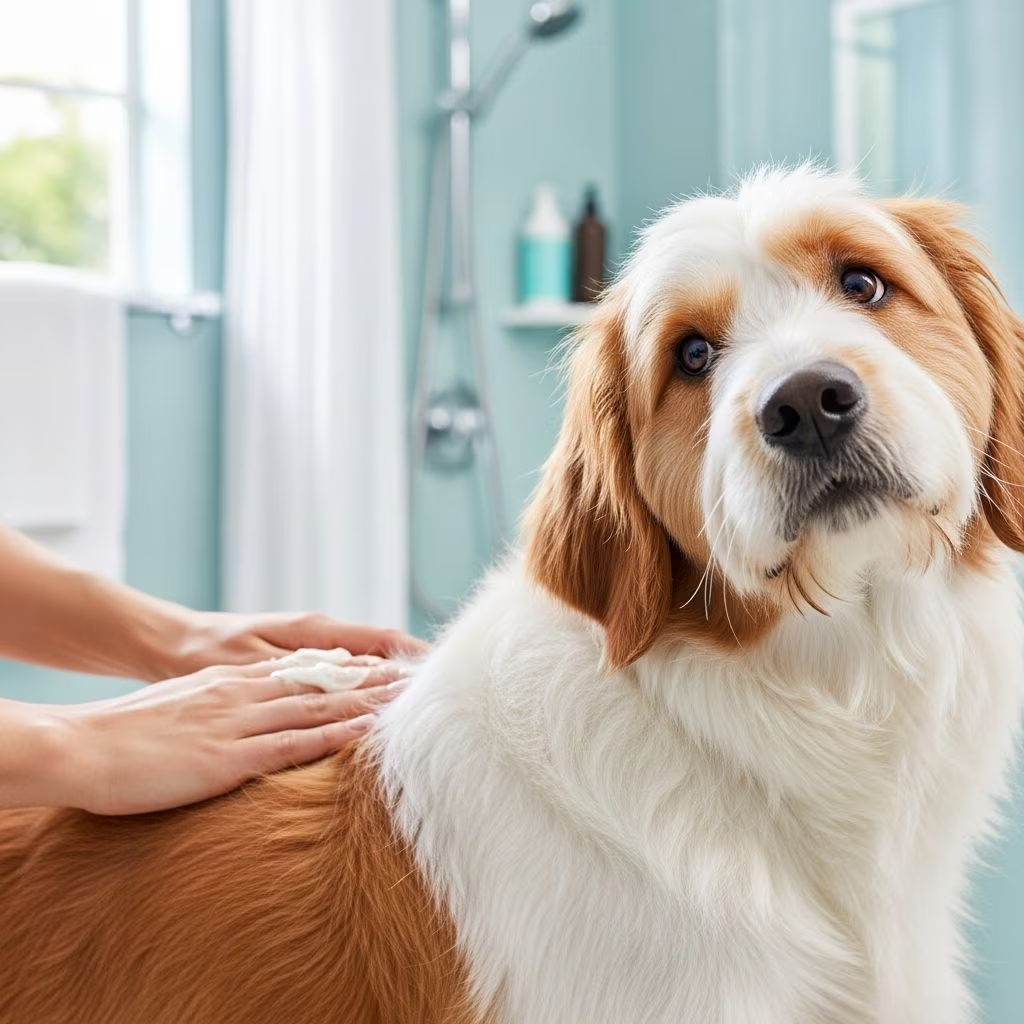
Conditioner is a crucial step in canine grooming that restores moisture, smooths the coat, and protects the skin after shampooing. While not every dog requires it daily, most benefit from its use to maintain healthy fur and prevent common issues like dryness or tangles.
The Role of Conditioner in Canine Grooming
Shampoo cleans by removing dirt and excess oils, but this process can leave the skin and coat stripped of natural moisture. Conditioner steps in to replenish these elements, creating a barrier that locks in hydration and promotes overall coat vitality. This duo approach ensures cleanliness without compromising the protective layer dogs naturally produce.
For pet owners, incorporating conditioner means less shedding around the home, easier brushing sessions, and a visibly healthier appearance. It’s particularly valuable for dogs bathed more than once a month, as frequent washing accelerates oil loss.
Key Advantages for Your Dog’s Coat and Skin
Regular conditioning delivers multiple targeted benefits that enhance your dog’s comfort and appearance. Here’s a breakdown:
- Hydration Restoration: It replenishes oils removed by shampoo, preventing flaky, itchy skin and promoting a supple coat.
- Smooth Texture and Shine: By sealing the hair cuticles, conditioner adds gloss and silkiness, making fur plumper and more vibrant.
- Detangling Power: Knots and mats dissolve more easily, reducing grooming stress and breakage during brushing.
- Shedding Reduction: Stronger follicles mean less hair loss, ideal for double-coated breeds.
- Static Control: Eliminates flyaway fur, especially in dry climates or after towel drying.
- Skin Soothing: Calms irritation from allergies or environmental factors, supporting the skin’s natural barrier.
These effects compound over time, leading to fewer vet visits for skin-related concerns and a happier, itch-free pet.
Which Dogs Benefit Most from Conditioner?
Not all coats are equal, so conditioner needs vary by breed, lifestyle, and health. Consider these categories:
| Coat Type | Primary Needs | Recommended Frequency |
|---|---|---|
| Long, Curly, or Wavy (e.g., Poodles, Spaniels) | Detangling, mat prevention | Every bath |
| Short-Haired (e.g., Labs, Beagles) | Moisture, shine enhancement | Every 2-3 baths |
| Double-Coated (e.g., Huskies, Shepherds) | Shedding control, undercoat health | Seasonally or every bath |
| Sensitive Skin or Allergies | Soothing, hypoallergenic formulas | As vet-recommended |
Dogs in arid environments, seniors with thinning fur, or those recovering from illness often see dramatic improvements. Puppies and frequent swimmers also gain from gentle, protective conditioning.
Types of Dog Conditioners Explained
Selecting the right type matches your dog’s specific requirements. Common varieties include:
- Rinse-Out Conditioners: Applied post-shampoo, left on for 3-5 minutes, then rinsed. Best for deep hydration and all-over treatment.
- Leave-In Sprays: Lightweight mists for daily use, perfect for quick touch-ups, detangling, or between baths. They cut drying time and maintain style.
- Intensive Treatments: Thick masks for damaged or overly dry coats, used weekly for repair and strengthening.
- Specialty Formulas: Medicated for fleas/itch, clarifying for oily coats, or color-enhancing for show dogs.
Opt for pH-balanced products (around 6.5-7.5) with natural ingredients like aloe, oatmeal, or coconut oil to avoid irritation.
How to Apply Conditioner Properly
Correct application maximizes benefits while minimizing waste. Follow these steps:
- Wet the coat thoroughly with lukewarm water.
- Shampoo first, rinse completely to avoid residue buildup.
- Apply conditioner from mid-neck down, avoiding the face and eyes. Massage into the skin for full absorption.
- Let sit 3-10 minutes (use a timer for consistency).
- Rinse well with cool water to seal cuticles, or leave in if specified.
- Towel-dry gently and brush while damp for best results.
For sprays, mist lightly and comb through. Always patch-test new products on a small area first.
Common Mistakes to Avoid
Even well-intentioned owners can err in conditioning routines:
- Skipping the rinse, leading to greasy buildup.
- Using human products—too harsh on canine pH.
- Over-conditioning short coats, causing oiliness.
- Ignoring expiration dates or mixing brands haphazardly.
- Not consulting vets for persistent skin issues.
Address these for optimal outcomes and a frustration-free process.
Ingredients to Seek and Avoid
Quality matters. Prioritize:
- Beneficial: Shea butter, jojoba oil, vitamins E and B5 for nourishment; chamomile or tea tree for calming.
- Avoid: Sulfates, parabens, artificial dyes/colors that dry or sensitize skin.
Look for vet-approved or groomer-recommended labels for assurance.
Frequently Asked Questions (FAQs)
Is conditioner safe for puppies?
Yes, use puppy-specific, gentle formulas after 8 weeks. They protect developing skin without overwhelming.
Can conditioner reduce my dog’s shedding?
Absolutely—it strengthens fur roots and minimizes breakage, though seasonal shedders may need more frequent use.
How often should I condition my dog?
Match bath frequency: weekly for long coats, bi-weekly for others. Overbathing without conditioning harms more than helps.
What if my dog has oily skin?
Choose clarifying conditioners; they balance without adding grease. Vet check for underlying issues.
Does conditioner replace brushing?
No, it complements daily brushing to distribute oils and prevent mats.
Enhancing Your Grooming Routine Year-Round
Integrate conditioning into a holistic plan: regular baths (every 4-6 weeks), diet rich in omega-3s, and environmental protections like sunscreen for light-coated dogs. Seasonal adjustments—more hydration in winter, lighter formulas in summer—keep coats resilient. Professional grooming quarterly amplifies home efforts, especially for complex breeds.
Track changes post-conditioning: softer fur? Less scratching? Adjust products accordingly. This proactive care fosters longevity in skin health and aesthetic appeal.
References
- The Importance of Using Conditioner: Do you really need it? — AllGroom. 2023. https://allgroom.co.nz/blogs/shampoo/do-i-need-to-use-conditioner
- Dog Shampoo vs. Conditioner: How to Use Them the Right Way — Doglyness. 2024. https://www.doglyness.com/blogs/news/dog-shampoo-vs-conditioner-how-to-use-them-the-right-way
- Does my dog need conditioner — TrueBlue Pet Products. 2023. https://www.truebluepets.com/blogs/news/does-my-dog-need-a-conditioner
- Five Benefits of using a Dog Conditioner — UGroom. 2024. https://www.ugroom.com.au/blogs/news/five-benefits-of-using-a-dog-conditioner
- Does Your Dog Need Conditioner? Here’s Why It’s a Game-Changer! — WildWash. 2023. https://wildwash.co.uk/does-your-dog-need-conditioner/
- Why it’s Important to Condition Your Dog after Every Wash — Friday’s Dog. 2024. https://fridaysdog.com/blogs/news/why-its-important-to-condition-your-dog-after-every-wash



