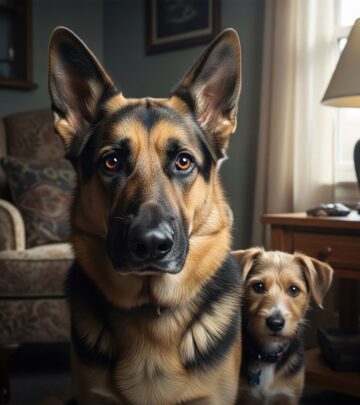
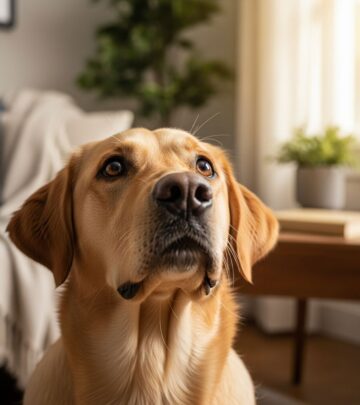
Do Dogs Mentor Other Dogs?
Uncover whether dogs naturally teach and guide younger or inexperienced dogs in social learning and pack dynamics.
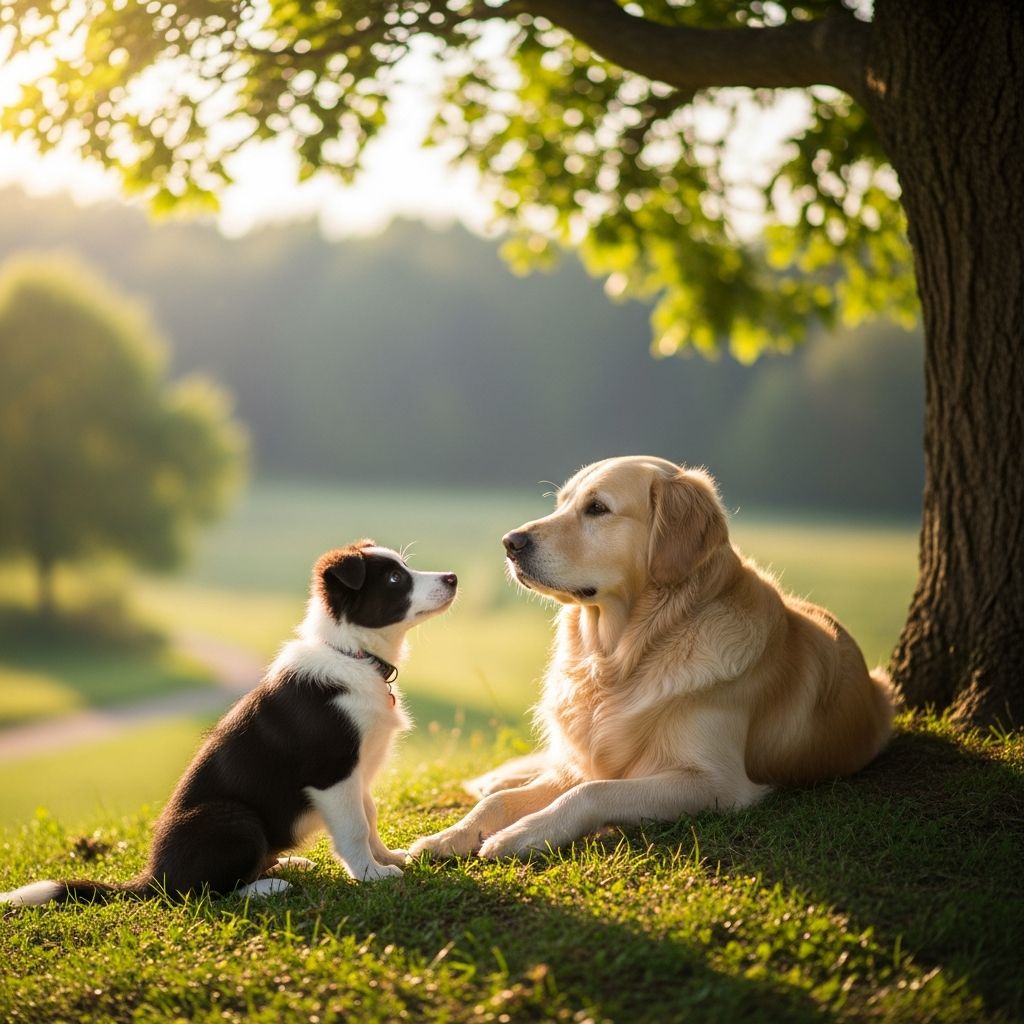
Dogs exhibit complex social behaviors that can resemble mentoring, where experienced dogs guide younger or less experienced ones through interactions, body language, and play. This natural process fosters learning in pack dynamics, impulse control, and social norms, though human training methods significantly influence outcomes.
Understanding Canine Social Learning
Canine social learning occurs primarily through observation, imitation, and direct interaction. Experienced dogs often demonstrate appropriate behaviors, such as calm greetings or resource sharing, allowing puppies or newcomers to learn by example. Research shows dogs trained with positive reinforcement display fewer stress signals and better owner bonds, enhancing their ability to model positive behaviors for others.
In multi-dog households, older dogs correct younger ones gently via posture or vocalizations, teaching boundaries without aggression. This mirrors wild pack structures where subordinates learn hierarchy and survival skills from dominants. However, aversive human training disrupts this, leading to stressed dogs less likely to engage socially.
- Observation learning: Puppies watch adults hunt, play, or rest, copying to avoid mistakes.
- Play as teaching: Rough play teaches bite inhibition and turn-taking.
- Correction signals: Lip lifts or growls communicate ‘not acceptable’ without harm.
Signs of Mentoring in Dogs
Clear indicators include an older dog intervening in a puppy’s overly exuberant play, using a paw to pin or a stare to pause activity. Studies on group training classes reveal that reward-based environments promote relaxed interactions, where dogs gaze more at handlers and peers, facilitating learning.
Stress-free dogs show mentoring via shared resting spots or inviting play bows, building confidence in novices. Conversely, dogs from negative reinforcement classes exhibit avoidance, reducing mentoring opportunities.
| Mentoring Sign | Description | Benefit |
|---|---|---|
| Play Solicitation | Older dog initiates controlled play | Teaches boundaries and fun |
| Resource Guarding Demo | Shows calm drop-it | Prevents fights |
| Calm Modeling | Lies down during excitement | Reduces arousal in group |
| Gentle Corrections | Air snaps or blocks | Impulse control |
Does Age or Experience Matter?
Experience trumps age; well-socialized adults mentor effectively regardless of years. Puppies under six months benefit most from classes emphasizing rewards, reducing future aggression by 50% via early socialization. Virginia Tech research on reactivity shows group classes with owner interaction decrease leash pulling and vocalizations, aiding inter-dog learning.
Inexperienced adults may overwhelm pups, but balanced exposure builds resilience. Positive methods ensure mentors remain eager interactors.
Human Influence on Dog Mentoring
Owners shape mentoring via training. Aversive methods increase cortisol and pessimism, impairing social teaching. Positive reinforcement boosts gazing and attachment, making dogs better models.
Group classes simulate packs, where owner interventions reinforce calm mentoring. CCBS studies link owner personality to dog issues; confrontational styles heighten problems.
- Use treats/praise to reward calm inter-dog interactions.
- Avoid punishment, which stresses and isolates dogs.
- Enroll in reward-based classes for safe socialization.
Training Methods That Support Mentoring
Reward-based training excels, with dogs 15x less stressed than in negative groups. NIH surveys show guardians favor rewards generally but mix aversives for issues, harming welfare.
Positive sessions improve owner attention, reducing reactivity and enhancing peer learning. Mentoring programs for trainers emphasize observation and force-free techniques.
Potential Risks and Misconceptions
Not all interactions mentor; mismatched energy leads to fear. Over-correction mimics abuse, especially if owners use aversives. Myth: Dominant dogs always mentor—actually, confident calm ones do.
Monitor for stress: yawning, lip-licking halts play. Early puppy classes prevent issues.
Practical Tips for Fostering Mentoring
Introduce dogs gradually on leashes. Reward parallel play. Use puzzle toys for cooperative problem-solving.
- Supervised playdates with balanced pairs.
- Model calm: Ignore jumps, reward sits.
- Group classes with positive pros.
- Track progress: More relaxed greetings signal success.
Frequently Asked Questions
Can any dog mentor a puppy?
Best from confident, non-reactive adults socialized early. Avoid fearful or aggressive ones.
How long does mentoring take?
Weeks to months; consistency via positive routines speeds it.
Should I intervene in dog corrections?
Only if escalating to bites; normal snaps teach safely.
Do female dogs mentor better?
No gender bias; temperament rules.
Can shelter dogs mentor?
Yes, post-rehab with rewards to rebuild trust.
Conclusion: Harnessing Natural Mentoring
Dogs do mentor through social cues, amplified by positive human guidance. Prioritize rewards for thriving packs and welfare.
References
- Research: Why Use Positive Reinforcement In Dog Training — So Much Petential. 2014-approx. https://somuchpetential.com/research-why-use-positive-reinforcement-in-dog-training/
- Improving dog welfare: Helping owners decode dogs’ behavior — Research Outreach. Recent. https://researchoutreach.org/articles/improving-dog-welfare-helping-owners-decode-dogs-behavior/
- Investigating the Effect that Training Classes Have on Reactive Behaviors — Virginia Tech. Recent. https://vtechworks.lib.vt.edu/bitstreams/a0be9d0c-dd0c-44d9-b9b5-d36b97ba95bf/download
- Mentoring in Animal Behavior — IAABC Foundation Journal. Recent. https://journal.iaabcfoundation.org/mentoring/
- Improving dog training methods: Efficacy and efficiency of reward — PMC (NIH). 2021-02-18. https://pmc.ncbi.nlm.nih.gov/articles/PMC7895348/
- Training Methods Used by Dog Guardians in the United States — PMC (NIH). 2024-approx. https://pmc.ncbi.nlm.nih.gov/articles/PMC11083790/
Similar Articles




Read full bio of medha deb