

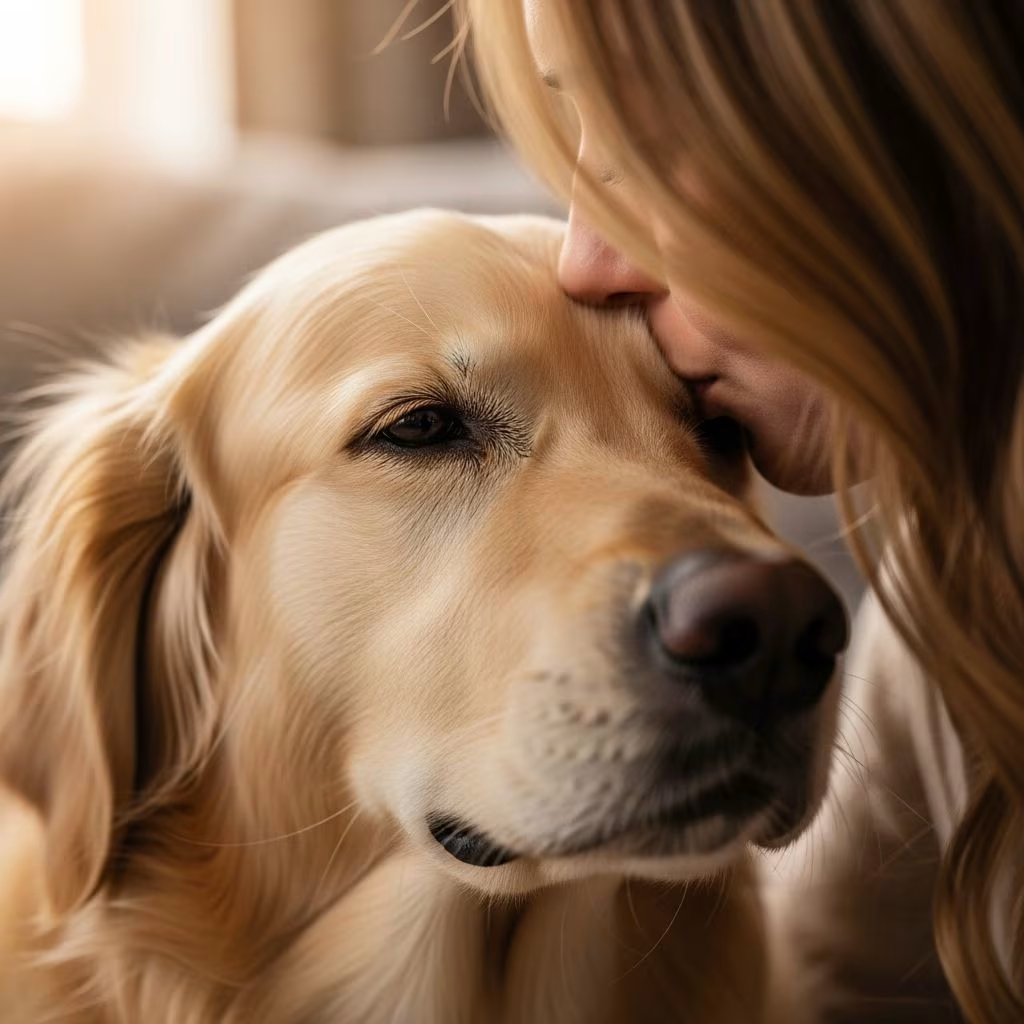
Do Dogs Like Kisses? Understanding Canine Affection
One of the most common questions dog owners ask is whether their beloved pets actually enjoy being kissed. While many of us freely give our dogs affectionate pecks and receive enthusiastic licks in return, the answer to this question is more nuanced than a simple yes or no. Understanding canine behavior and the science behind dog-human interactions can help us better interpret what our dogs are really communicating when we share kisses with them.
Can Dogs Actually Understand Kisses?
The first thing to understand is that dogs do not instinctively recognize kisses as a form of affection. Unlike humans, who use kissing as a universal sign of love and care, dogs interpret facial expressions and physical contact differently. When a dog sees a human leaning in close to their face, they may perceive this as an unfamiliar or even threatening gesture, particularly if they haven’t been conditioned to accept this behavior.
Animal behaviorists have conducted studies revealing that dogs can read human emotions and respond to facial expressions, but they don’t naturally associate the act of kissing with affection. Instead, dogs learn to tolerate or even enjoy kisses through a process of conditioning. When a dog experiences kisses paired with treats, praise, or other positive reinforcement, they begin to associate the behavior with something rewarding. Over time, they may come to enjoy the interaction simply because it predicts something pleasant will follow.
It’s important to recognize that each dog is an individual with unique preferences. Some dogs, particularly those who have formed strong bonds with their owners from an early age, may learn to associate kisses with positive experiences and actively seek them out. Other dogs, especially those who are more reserved or have had negative experiences with close facial contact, may shy away from kisses entirely.
Individual Differences in Canine Preferences
Just as humans have different comfort levels with physical affection, dogs vary widely in their preferences for kisses and close facial contact. Some dogs will lean in eagerly when their owners approach for a kiss, while others will turn their heads away or back up. These individual differences don’t indicate that a dog doesn’t love its owner—they simply reflect the dog’s unique personality and comfort level with different types of interaction.
A strong bond with an owner can certainly increase a dog’s tolerance for kisses. Dogs that have formed deep attachments to their humans and have learned that kisses precede positive experiences tend to be more receptive to this form of affection. Conversely, dogs with reserved temperaments or those who haven’t been exposed to kissing from a young age may find it uncomfortable or confusing.
The key is to pay attention to your dog’s body language and respect their individual preferences. Signs that a dog enjoys kisses include leaning into the contact, wagging their tail, and seeking out more interaction. Signs that a dog is uncomfortable include turning their head away, pinning their ears back, yawning, or moving away from you.
The Science of Dog-Human Bonding
While dogs may not inherently understand kisses as affection, the physical contact involved in kissing does have profound biological effects on both dogs and humans. The key to understanding this lies in a remarkable hormone called oxytocin, often referred to as the “love hormone” or “bonding hormone.”
When humans and dogs interact positively—whether through kissing, petting, gazing, or playing—both species experience an increase in oxytocin levels. This hormone is produced in the hypothalamus part of the brain and released into the bloodstream by the pituitary gland. In humans, oxytocin creates feelings of warmth, trust, and emotional connection. It’s the same hormone that bonds parents to infants and romantic partners to each other.
Research has demonstrated that this bonding process is mutual. Studies conducted by researchers at Azabu University in Japan found that when dogs gazed at their owners for extended periods, both the dogs and their owners experienced elevated oxytocin levels. Similarly, owners who kissed their dogs frequently showed higher oxytocin levels than those who had less physical contact with their pets. This suggests that the act of kissing your dog, even if the dog doesn’t fully understand it as affection, still strengthens the emotional bond between you.
The Hormonal Effects of Dog Kisses
Beyond oxytocin, research has identified several other hormones and neurochemicals that are released during positive dog-human interactions:
- Beta-endorphins — Associated with feelings of euphoria and pain relief, these are released when we interact affectionately with our dogs
- Prolactin — This hormone promotes bonding and is associated with parental nurturing behavior
- Phenylethylamine — Often increased when people encounter romantic partners, this chemical contributes to feelings of excitement and attraction
- Dopamine — Known as the “pleasure molecule,” dopamine increases when we engage in enjoyable activities, including petting and kissing our dogs
A groundbreaking study conducted by researchers at the University of Pretoria in South Africa demonstrated the power of these hormonal changes. Participants spent 30 minutes focused entirely on their dogs—talking softly, stroking gently, and scratching behind their ears. Blood drawn before and after this interaction showed significant increases in oxytocin and the other hormones listed above. Remarkably, the same hormonal increases occurred in the dogs themselves, indicating that the bonding experience is truly reciprocal.
How Dogs Express Affection Through Licking
While human kisses may not be inherently understood by dogs, canine “kisses” in the form of licking are a genuine form of communication. When dogs lick their owners, they are expressing affection and attempting to communicate. Licking serves multiple functions in dog behavior—it can signal submission, appeasement, a desire for attention, or simply affection.
Interestingly, licking provides benefits to dogs as well. Research has shown that licking releases endorphins and dopamine in a dog’s brain, activating the neural reward system. This means that when a dog licks you, they’re not only showing affection but also experiencing positive feelings themselves. Additionally, licking has a self-soothing effect for dogs. They will repeatedly lick surfaces or their own paws to calm themselves when stressed or unwell, similar to how humans might seek comfort through physical touch.
A 2014 study found that licking, along with other affiliative behaviors, raises a dog’s oxytocin levels. This creates a positive feedback loop—the more a dog licks and receives affection, the more bonded they feel to their owner, which encourages more affectionate behavior.
The Microbiome Connection: Bacteria and Mental Wellbeing
Recent groundbreaking research has uncovered an unexpected connection between dog kisses and mental health. A study conducted by Professor Takefumi Kikusui at Azabu University in Japan found that teenagers living with dogs and those who kiss their pets show higher levels of mental wellbeing compared to those without dogs in their homes.
The mechanism behind this involves the microbiome—the collection of bacteria living in the human gut. The research revealed that teenagers who keep dogs have a distinct microbiota composition compared to non-dog owners. Specifically, bacteria that promote prosociality and empathy were significantly more abundant in the saliva and gut of adolescents who lived with dogs.
How does this happen? When humans kiss or are licked by dogs, small numbers of bacteria are transferred between species. Kissing facilitates the transfer of oral microbiota, and since kissing and licking are common in human-dog interactions, these exchanges may alter the oral and gut microbiota of owners. Because the gut microbiota influences behavior through the gut-brain axis, these bacterial changes can potentially influence mental wellbeing and emotional regulation.
This research suggests that the benefits of dog ownership and dog kisses extend beyond emotional bonding to actual physiological changes that improve mental health. Adolescents with dogs showed not only higher mental wellbeing but also altered gut bacteria composition that promotes positive emotional states.
Benefits of Dog Kisses and Physical Affection
The research on dog kisses and dog-human interactions reveals numerous health and emotional benefits:
- Stress reduction — Interaction with dogs, including kissing and petting, significantly reduces stress levels and blood pressure
- Increased happiness — Teenagers and adults who kiss or are licked by their dogs report greater overall happiness and life satisfaction
- Improved mental health — The microbiome changes associated with dog ownership may improve mental wellbeing and reduce anxiety
- Enhanced bonding — Physical affection, even if not understood by dogs in the same way humans understand it, strengthens the emotional connection between dog and owner
- Pain relief — The release of beta-endorphins during dog interaction provides natural pain relief
- Improved social skills — Dogs with bacteria promoting empathy may help develop better social and emotional skills in adolescents
Understanding Your Dog’s Body Language During Kisses
To determine whether your individual dog enjoys kisses, it’s essential to learn to read their body language. Dogs communicate their comfort levels through various physical signals:
Signs your dog enjoys kisses:
- Leaning toward you when you approach
- Wagging tail during and after the interaction
- Seeking out more contact by nudging or pawing at you
- Relaxed facial features and soft eyes
- Playing or showing other signs of happiness after kissing
Signs your dog is uncomfortable with kisses:
- Turning their head away from you
- Pinning ears back against their head
- Yawning or licking their lips excessively
- Moving backward or away from you
- Stiff body posture or lack of tail movement
- Showing the whites of their eyes
Respecting your dog’s preferences is crucial for maintaining a healthy relationship. If your dog shows discomfort with kisses, there are many other ways to show affection that they may prefer, such as gentle petting, playing, training together, or simply spending quality time in their presence.
Building Positive Associations With Kisses
If you’d like your dog to become more comfortable with kisses, you can work on building positive associations. This involves pairing the act of kissing with rewards your dog enjoys. When you kiss your dog, immediately follow it with a treat, praise, or playtime. Over time, your dog may learn to anticipate these rewards and become more receptive to kisses.
However, it’s important to proceed gradually and watch your dog’s reactions carefully. Never force a dog to accept kisses if they show signs of discomfort. Some dogs may never fully enjoy being kissed, and that’s perfectly acceptable. The bond you share with your dog doesn’t depend on whether they tolerate kisses—it depends on mutual trust, respect, and the positive experiences you create together.
Alternative Ways to Show Affection
If your dog doesn’t enjoy kisses, there are numerous other ways to express your affection that most dogs find rewarding:
- Petting and scratching — Most dogs love gentle touches, particularly behind the ears and along the back
- Playing together — Engaging in games like fetch or tug-of-war releases the same bonding hormones
- Gazing — Simply looking into your dog’s eyes can increase oxytocin in both of you
- Walking together — Quality time spent on walks strengthens your bond
- Training sessions — Learning together creates trust and positive interactions
- Providing comfort — Being present when your dog is anxious or upset shows care and strengthens attachment
Frequently Asked Questions
Q: Is it safe to kiss your dog on the mouth?
A: While occasional kisses are generally safe for healthy individuals, dogs’ mouths can harbor bacteria. If you have concerns about hygiene or a compromised immune system, it’s best to kiss your dog on the head or cheek instead. Always wash your hands after dog interaction.
Q: Do dogs actually know they’re being kissed?
A: Dogs don’t instinctively understand kissing as affection. They may learn to associate it with positive experiences through conditioning, but they interpret the act differently than humans do. They may perceive it as a social gesture or signal from their owner.
Q: What if my dog pulls away when I try to kiss them?
A: Respect your dog’s boundaries. Pulling away indicates discomfort. Instead, show affection through petting, playing, or spending time together. Your dog will bond with you through activities they enjoy.
Q: Can kissing a dog improve my mental health?
A: Yes, research shows that physical affection with dogs, including kissing, can reduce stress, lower blood pressure, and improve overall mental wellbeing through the release of oxytocin and other beneficial hormones.
Q: Why do dogs lick their owners?
A: Dogs lick to show affection, seek attention, or communicate. Licking also releases endorphins that make dogs feel good. It’s a form of canine communication and bonding behavior.
Q: Do dogs feel oxytocin like humans do?
A: Yes, research confirms that dogs experience oxytocin release during positive interactions with their owners, just as humans do. This creates genuine bonding on a biochemical level for both species.
References
- Big, Sloppy Kisses From Dogs Are Making Teenagers Happier — Country Living. 2024. https://www.countryliving.com/uk/wildlife/pets/a69632294/big-sloppy-kisses-from-dogs-can-help-make-teenagers-happier/
- Dog Kisses are More Than Just Slobber — Live Science. https://www.livescience.com/40065-dog-kisses-are-more-than-just-slobber.html
- Why do dogs lick humans? It could be a sign of affection. — Popular Science. 2023. https://www.popsci.com/science/why-do-dogs-lick-humans/
- Do Dogs Like Being Kissed? Understanding Canine Affection — Houndsy. 2024. https://www.houndsy.com/blogs/modern-tails/do-dogs-like-being-kissed-understanding-canine-affection
- A Doggie Kiss A Day Keeps the Doctor Away — Alpha Grooming Pet Salon. https://www.alphagroomingpetsalon.com/blog/a-doggie-kiss-a-day-keeps-the-doctor-away/
- Here’s how to tell if your dog actually loves you, according to science — Science Focus. https://www.sciencefocus.com/nature/does-your-dog-really-love-you



