

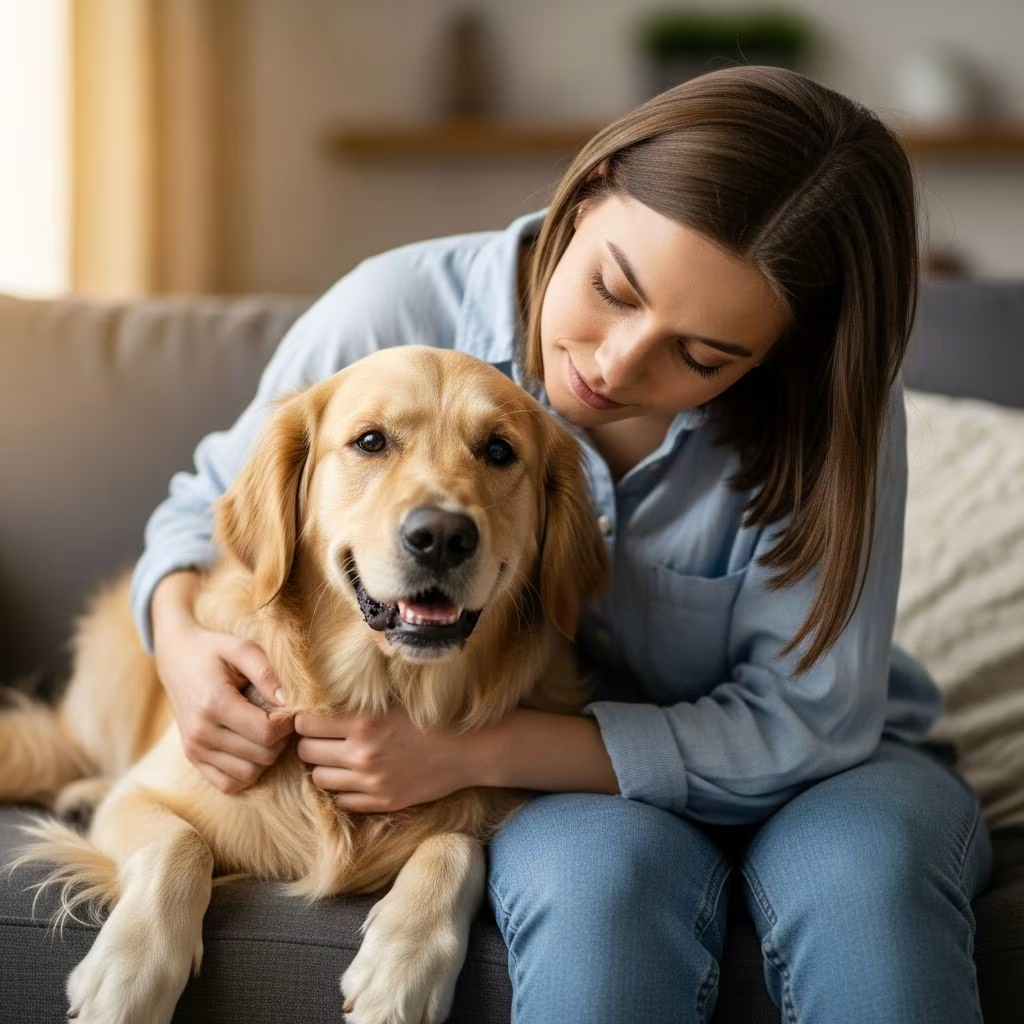
Do Dogs Like Hugs? The Truth About Canine Affection
As dog owners, we often express our love through hugs and tight embraces. We wrap our arms around our furry companions, expecting them to reciprocate our warmth and affection. However, recent scientific research has revealed a surprising truth: most dogs do not enjoy being hugged the way humans do. While this may come as disappointing news to many dog lovers, understanding your dog’s perspective on physical contact is essential for building a stronger, healthier relationship with your pet.
The question “Do dogs like hugs?” seems straightforward, but the answer is more nuanced than a simple yes or no. Dogs have their own unique ways of communicating comfort and affection, and what humans perceive as a loving gesture may actually cause stress and anxiety in our canine companions. By learning to recognize these signals and adapting our approach to showing affection, we can ensure our dogs feel safe, loved, and understood.
What Research Says About Dogs and Hugs
Multiple scientific studies have examined the relationship between dogs and hugs, revealing consistent patterns in canine behavior. One landmark study conducted by Dr. Stanley Coren involved analyzing 250 photographs of people hugging their dogs. The results were eye-opening: in 81 percent of the images, the dogs displayed clear body language signs of stress. This finding challenged the common assumption that dogs enjoy physical restraint in the form of hugs.
Further research expanded on these findings. In a comprehensive analysis of video clips, researchers examined three separate studies on human-dog interactions involving playing, petting, and hugging. The most striking discovery came from the hugging data: in two out of three videos analyzed, dogs exhibited nipping or biting behaviors toward the person hugging them. These responses are not indicators of happiness or enjoyment—they are warning signals that the dog is uncomfortable.
The research collectively demonstrates that dogs interpret hugs very differently from humans. Where we see an expression of love, many dogs perceive confinement and loss of control, triggering stress responses that owners often fail to recognize or understand.
Understanding Canine Body Language During Hugs
To determine whether your dog is genuinely enjoying a hug or simply tolerating it, you need to become fluent in dog body language. Dogs communicate their emotions through specific physical signals, and learning to read these signs is crucial for respectful pet ownership.
Signs Your Dog is Stressed by Hugs
When a dog is uncomfortable with being hugged, they display several telltale stress signals:
Stiffness or Freezing: If your dog becomes rigid or completely still when you hug them, this is a clear sign they are not enjoying the experience. A relaxed, happy dog will have loose muscles and natural body movement. Stiffness is the dog’s way of bracing themselves against an uncomfortable situation.
Head Turning Away: Dogs that are uncomfortable will avoid direct eye contact and may turn their head away from you. This behavior indicates they want to disengage from the interaction. Some dogs may even close their eyes as a further attempt to distance themselves from the situation.
Lip Licking and Yawning: These subtle signs often indicate anxiety in dogs. Excessive lip licking, particularly when there is no food present, or frequent yawning when your dog isn’t tired are stress indicators. These are often overlooked by owners but represent important communication from your pet.
Ear Flattening: When a dog’s ears flatten against their head, especially combined with other stress signals, it indicates discomfort or fear. This positioning is the canine equivalent of a person cowering.
Attempting to Escape: If your dog tries to wiggle away, jump down, or create distance when you hug them, they are clearly communicating that they want the interaction to end. Respecting this boundary is essential.
Nipping or Biting: In more severe cases, dogs may nip or bite during hugs as a final warning that their personal space has been violated. This is not aggression in the traditional sense but rather a desperate attempt to establish boundaries.
Signs Your Dog May Enjoy Physical Affection
While most dogs find hugs stressful, some individual dogs may be more tolerant or even enjoy certain types of physical contact. Signs that your dog is comfortable with affection include a relaxed body posture, soft eyes, a gently wagging tail, and voluntary movement toward you for more contact. However, even dogs that appear comfortable with hugs may be simply tolerating rather than genuinely enjoying the behavior.
Why Dogs Don’t Like Being Hugged
Understanding the reasons behind dogs’ negative responses to hugs helps explain this seemingly counterintuitive behavior. Dogs are fundamentally different from humans in how they perceive physical restraint and close contact.
Loss of Control and Escape Routes
Dogs are cursorial animals, meaning they are designed for swift running and quick escape. In times of stress or perceived threat, their primary defense mechanism is fleeing, not fighting. When humans hug them, dogs lose the ability to escape or control their environment. This immobilization can significantly increase stress levels and, in severe cases, may provoke defensive behaviors like biting. For a dog, being unable to run away feels dangerous.
Violation of Personal Space
Unlike humans who often welcome close physical contact with loved ones, dogs have strong preferences regarding personal space boundaries. A hug involves direct restraint and close facial proximity, which many dogs interpret as threatening rather than affectionate. Dogs have their own ways of showing trust and bonding that do not involve being physically trapped.
Overstimulation
Some dogs become stressed by prolonged physical contact, regardless of how gentle or well-intentioned it is. Overstimulation can lead to anxiety, irritability, and defensive behaviors. Every dog has a different threshold for how much physical contact they can comfortably tolerate.
The Role of Oxytocin in Dog-Owner Bonding
While most dogs find hugs stressful, the broader picture of physical touch and bonding reveals some positive aspects of human-dog contact. Research has shown that when dogs and humans interact in genuinely positive ways, such as gentle cuddling, petting, and mutual eye contact, both partners experience an increase in oxytocin—the “love hormone.”
However, it is important to distinguish between gentle, positive interactions and the physical restraint of a hug. Studies examining oxytocin levels found that this beneficial hormone surge occurred during specific types of interaction: stroking, talking, and mutual eye contact with bonded partners. These interactions look very different from the typical human hug and respect the dog’s ability to control the level of contact.
Additionally, petting and gentle stroking have been shown to increase dopamine and endorphins in both dogs and humans—the feel-good chemicals. This suggests that there are alternative ways to express affection and bond with your dog that are more aligned with their comfort levels.
Individual Differences: Not All Dogs React the Same Way
While research consistently shows that most dogs find hugs stressful, individual variation exists. Some factors influence whether a particular dog might be more tolerant of hugs:
Socialization and Early Exposure
Dogs that have been well-socialized from a young age and have experienced positive, gentle handling may be more accustomed to receiving physical affection, including hugs. Early exposure to various types of touch in a positive context can increase a dog’s tolerance. However, tolerance is not the same as enjoyment—a dog may tolerate something without actually liking it.
Breed Tendencies
Some breeds are naturally more affectionate and physically oriented than others. Breeds known for their gentle, people-oriented nature, such as Labradors and Golden Retrievers, may be more receptive to physical contact compared to more independent breeds. However, breed tendencies are generalizations, and individual personality plays a significant role.
Personality and Temperament
Just as humans have different comfort levels with physical touch, so do dogs. Some dogs are naturally more cuddly and tolerant of close contact, while others are more reserved and prefer distance. Understanding your individual dog’s personality is key to showing affection in ways they genuinely appreciate.
Better Ways to Show Your Dog Affection
If hugs aren’t the answer, how should you express your love for your dog? There are numerous ways to strengthen your bond and show affection that your dog will actually enjoy.
Gentle Petting and Stroking
Most dogs enjoy gentle petting, especially on areas like the head, neck, and back. Pay attention to where your dog prefers to be touched and notice their body language. If they lean into your hand or move closer for more contact, they are clearly enjoying the interaction. Always allow your dog to initiate and control the amount of contact.
Playtime and Interactive Games
Dogs love to play, and interactive games are excellent ways to bond while your dog is engaged and having fun. Fetch, tug-of-war (played safely), hide-and-seek, and puzzle games all provide mental and physical stimulation while strengthening your relationship.
Quality Time and Companionship
Simply spending time with your dog—whether it’s going for walks, sitting together quietly, or training sessions—communicates love and builds trust. Dogs are social creatures that value presence and attention from their owners.
Treats and Food-Based Rewards
Offering your dog their favorite treats or preparing special meals shows care and consideration. Many dogs express affection through food, and giving treats is a positive way to reinforce good behavior and show appreciation.
Verbal Affection and Praise
Your dog responds to your tone of voice and the positive attention you provide through praise and encouragement. Speaking to your dog in a warm, upbeat tone and offering enthusiastic praise during good behavior communicates love effectively.
What If Your Dog Tolerates Hugs?
Some owners report that their dogs seem to accept or even enjoy hugs. If this is the case with your dog, it’s important to remain vigilant about their body language. Just because a dog tolerates something doesn’t mean they enjoy it. A dog may have learned to accept hugs as part of their routine with a trusted owner without actually finding them pleasant.
If you choose to hug your dog, do so sparingly and briefly, always watching for stress signals. Make the hug gentle and give your dog an easy way to escape. Never force a hug on a dog that shows any signs of discomfort. Even if your dog has appeared to tolerate hugs in the past, their comfort level may change over time or in different situations.
Frequently Asked Questions About Dogs and Hugs
Q: Is it ever okay to hug my dog?
A: While most dogs find hugs stressful, occasional brief, gentle hugs from a trusted owner may be tolerable for some dogs. However, it’s best to prioritize your dog’s comfort and use alternative ways to show affection. Always monitor your dog’s body language and never force physical contact.
Q: How can I tell if my dog is stressed by hugs?
A: Look for stress signals such as stiffness, head turning away, lip licking, ear flattening, attempts to escape, or aggressive behaviors like nipping. If you notice any of these signs, your dog is communicating discomfort.
Q: Why do some people insist their dogs love hugs?
A: Many dog owners misinterpret their dogs’ tolerance for enjoyment. Dogs often remain still during hugs out of resignation or fear rather than happiness. Owners may also be biased toward believing their dogs enjoy the behaviors they regularly perform.
Q: Are certain dog breeds more likely to accept hugs?
A: Some breeds, such as Labradors and Golden Retrievers, may be more naturally inclined toward physical affection than others. However, individual personality and early socialization play significant roles in determining how any dog responds to hugs.
Q: What’s the best way to bond with my dog if not through hugs?
A: Gentle petting, playtime, walks, training sessions, quality time together, and positive reinforcement are all excellent ways to bond with your dog and show affection in ways they genuinely appreciate.
Q: Can I train my dog to like hugs?
A: While you can train your dog to tolerate hugs through positive reinforcement, this doesn’t mean your dog will actually enjoy them. It’s better to respect your dog’s natural preferences and find alternative ways to express affection.
Conclusion: Respecting Your Dog’s Preferences
The evidence is clear: most dogs do not enjoy being hugged the way humans do. Rather than viewing this as a rejection of your love, it’s an opportunity to deepen your understanding of your dog and communicate affection in ways that are genuinely meaningful to them. By learning to read canine body language and respecting your dog’s boundaries, you demonstrate true love and build a stronger, more trusting relationship.
Your dog may not enjoy hugs, but they absolutely enjoy and appreciate your presence, attention, care, and the ways you choose to bond with them on their terms. By shifting your approach to physical affection, you can ensure that every interaction with your dog is positive and stress-free, strengthening the special bond you share.
References
- Research Confirms It: Dogs Don’t Like Being Hugged — Psychology Today. 2024-05-16. https://www.psychologytoday.com/us/blog/canine-corner/202405/new-research-confirms-dogs-really-dont-like-being-hugged
- Should You Give Your Dog Hugs? — American Kennel Club. https://www.akc.org/expert-advice/lifestyle/should-you-give-your-dog-hugs/
- Is Hugging Part of Your Dog’s Love Language? — Downtown Dogs. https://dtdogs.com/is-hugging-part-of-your-dogs-love-language/
- The Role of Oxytocin in the Dog–Owner Relationship — National Center for Biotechnology Information (NCBI). https://pmc.ncbi.nlm.nih.gov/articles/PMC6826447/



