

Do Dogs Like Hugs? What Science Reveals About Canine Comfort
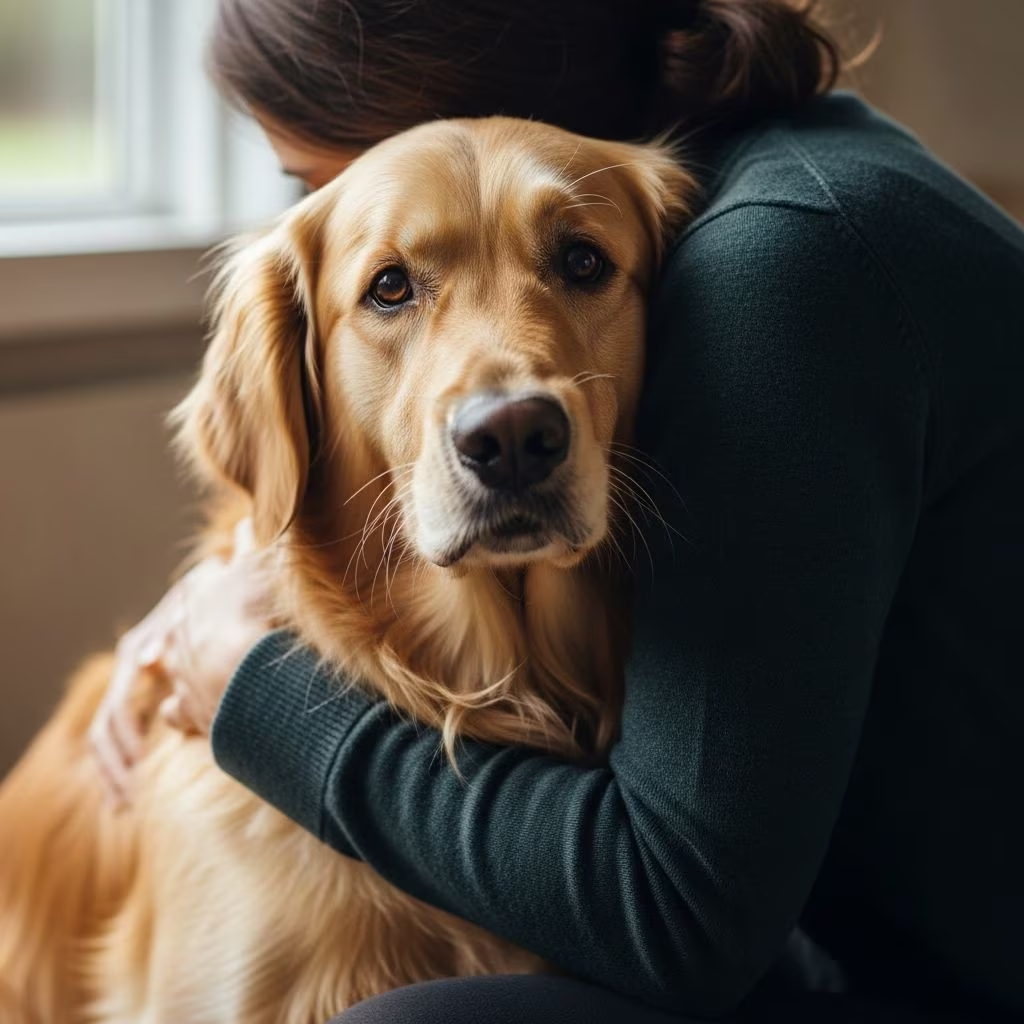
As dog lovers, we often express affection through hugs—wrapping our arms around our furry companions and squeezing them close. However, recent scientific research suggests that despite our best intentions, most dogs don’t actually enjoy being hugged. In fact, these well-meaning embraces may cause your dog more stress than joy. Understanding how your dog truly feels about hugs is essential for building a stronger, healthier relationship with your pet and ensuring their emotional wellbeing.
The Research Behind Dogs and Hugs
The notion that dogs dislike hugs isn’t merely anecdotal—it’s backed by scientific evidence. In 2016, Dr. Stanley Coren, a renowned expert in dog behavior and intelligence, conducted groundbreaking research that examined the first 250 images retrieved from searching “hug dog” on Google Images and Flickr. His findings were striking: 81.6 percent of the dogs in those photographs displayed at least one sign of discomfort, while only 7.6 percent appeared genuinely comfortable, and 10.8 percent displayed neutral body language.
Building on Dr. Coren’s initial research, a more recent study published in Applied Animal Behaviour Science took the investigation further by analyzing videos rather than still images. This approach allowed researchers to identify behavioral cues that are difficult to spot in photographs, such as nipping, yawning, and blinking patterns. After reviewing the 80 most popular videos of dogs being hugged on social media platforms, the findings were remarkably consistent with earlier research and provided even more detailed insights into canine discomfort during hugging.
Recognizing Stress Signals in Hugged Dogs
Understanding the signs that indicate a dog is stressed during a hug is crucial for responsible pet ownership. Dogs communicate their discomfort through subtle body language cues that many humans fail to recognize.
Common Stress Indicators
Dr. Karen B. London has identified numerous stress signals that dogs display when being hugged, including:
- Tongue-flicking or lip-licking
- Ears positioned downward or backward
- Face turned away from the person hugging them
- Eyes showing “half-moons” of white (whale eye)
- Tightly closed or rigid mouth
- Rigid facial muscles
- Furrowed brows
In contrast, dogs who are genuinely relaxed and happy display distinctly different body language, including open mouths, relaxed facial muscles, and an absence of the stress signals mentioned above.
Additional Stress Behaviors Found in Video Analysis
The video-based research revealed additional behavioral patterns that indicate discomfort:
- 68 percent of dogs avoided eye contact and turned their heads away
- 44 percent licked their lips or nose
- 60 percent flattened or narrowed their eyes
- 81 percent exhibited excessive blinking
- 43 percent panted during the interaction
- 68 percent nipped or bit at the person hugging them
These behaviors collectively demonstrate that hugging is an inherently stressful experience for most dogs, even when the hugging is done with good intentions.
Why Do Dogs Find Hugs Stressful?
To understand why hugs are problematic for dogs, we must consider their evolutionary biology and natural instincts. Dr. Coren explains that dogs are “cursorial animals,” meaning they evolved to move swiftly and escape potential threats by running. When a dog is hugged and restrained, their primary defense mechanism—the ability to flee—is taken away from them.
Additionally, from a dog’s perspective, a hug may be interpreted as a dominance gesture rather than an expression of affection. Unlike humans who understand hugs as signs of friendship and love, dogs may perceive the restraint and embrace as an attempt to assert control or dominance over them. This fundamental difference in communication styles creates a disconnect between human intentions and canine perception.
The Problem of Human Misinterpretation
One significant issue complicating this discussion is that humans are notoriously poor at interpreting dog body language. When Dr. Coren published his initial findings, he received substantial pushback from dog owners who insisted their pets loved being hugged. Many of these skeptics even sent him photographs of themselves hugging their dogs—photographs that, ironically, contained the exact stress signals that Dr. Coren had identified in his research.
Elizabeth Ann Walsh, the lead author of the recent video study, noted that “many human behaviors may be concerning as humans tend not to necessarily understand the body language or vocalizations shown by dogs when interacting with them.” This lack of understanding can have serious consequences, as misinterpreting your dog’s behavior may result in continued stress and discomfort for your pet.
What makes this problem worse is that some dogs have been trained or socialized to tolerate hugs without objecting, even when they’re uncomfortable. Well-meaning owners may mistake their dog’s tolerance for enjoyment, not realizing their pet is simply enduring the experience to avoid conflict with their beloved human.
The Consequences of Ignoring Canine Stress Signals
Failing to recognize and respect your dog’s discomfort during hugs can have significant negative consequences. According to Walsh’s research, persistent hugging despite signs of stress can cause dogs to experience:
- Feelings of discomfort and anxiety
- Fear and distress
- Confusion about human intentions
- Deterioration of the human-dog bond
- General welfare issues
- Escalation to defensive or aggressive behavior if communication continues to fail
Perhaps most concerning is the possibility that a dog may eventually bite as a last resort when their non-aggressive stress signals are consistently ignored. A dog that bites is often labeled as aggressive or dangerous, when in reality they were simply attempting to communicate their discomfort through the only remaining option available to them.
Individual Differences: Not All Dogs React the Same
While research clearly indicates that most dogs dislike hugs, it’s important to acknowledge that individual dogs vary in their preferences and tolerance levels. Some dogs may tolerate hugs better than others due to factors such as:
- Early socialization and exposure to hugs
- Personality type and temperament
- Previous experiences with humans
- The strength and comfort of the dog-human bond
- The context and setting in which the hug occurs
Anecdotal evidence suggests that some dogs may even appear to enjoy hugs, particularly if they’ve been consistently hugged since puppyhood and have learned to associate the behavior with positive outcomes. However, these dogs may still be displaying subtle signs of stress that their owners fail to recognize.
Better Ways to Show Affection to Your Dog
If hugs aren’t the best way to show your dog love, what are the alternatives? There are numerous ways to express affection that dogs genuinely enjoy and find comforting:
Physical Contact Dogs Prefer
- One-armed embraces: Instead of wrapping both arms around your dog, try placing one arm around their body while allowing them freedom to move.
- Petting: Most dogs enjoy gentle stroking, particularly on their head, neck, and back.
- Belly rubs: Many dogs find abdominal massages incredibly pleasurable and rewarding.
- Full-body snuggling: Cuddling on the couch where your dog can move away if desired provides closeness without restraint.
- Chin scratches: Gentle scratching under the chin is often appreciated by dogs.
Non-Physical Affection
- Playtime and interactive games
- Training sessions with positive reinforcement
- High-quality time together
- Treats and rewards
- Verbal praise and encouragement
The key difference is that these alternative methods either don’t involve restraint or allow your dog to control the level of physical contact. Dogs appreciate affection more when they have the ability to initiate, participate in, or withdraw from it on their own terms.
Building a Stronger Bond With Your Dog
Understanding that your dog doesn’t enjoy hugs doesn’t mean you love your dog any less—it actually demonstrates greater love and respect for your pet’s emotional needs. By respecting your dog’s boundaries and communicating affection in ways they genuinely appreciate, you strengthen your relationship and build trust.
Before hugging any dog, especially one you don’t know well, always assess their body language first. Look for signs of relaxation such as soft eyes, open mouth, relaxed ears, and a wagging tail. If you observe any of the stress signals mentioned earlier, it’s best to express your affection in a different way. Remember that a dog’s comfort and wellbeing should always take priority over your desire for physical affection.
Frequently Asked Questions
Q: My dog seems to like hugs. Am I misreading their body language?
A: It’s possible. Many dogs learn to tolerate hugs without objecting, which owners may mistake for enjoyment. Always watch for subtle stress signals like lip-licking, avoiding eye contact, or ears pulled back, even if your dog isn’t actively resisting.
Q: Is it cruel to never hug my dog?
A: Not at all. Avoiding hugs actually shows greater kindness and respect for your dog’s preferences. There are plenty of other ways to show affection that your dog will appreciate more.
Q: Can I train my dog to like hugs?
A: While you can train a dog to tolerate hugs, it’s unclear whether they’ll ever truly enjoy them. It’s better to respect your dog’s natural preferences and bond through methods they genuinely appreciate.
Q: What should I do if my dog nips or bites during a hug?
A: This is a clear sign your dog is extremely uncomfortable. Stop hugging immediately and respect their boundaries. Consult a certified dog trainer or behaviorist if biting occurs frequently.
Q: Are some dog breeds more tolerant of hugs than others?
A: While individual personality varies, breed tendencies exist. However, regardless of breed, it’s important to assess each individual dog’s comfort level and respect their personal preferences.
References
- Most Dogs Don’t Really Like Being Hugged, New Study Finds — Kinship. 2024. https://www.kinship.com/dog-behavior/dogs-dont-like-being-hugged-study-news
- Dogs and Hugs, Revisited — Patricia McConnell. https://www.patriciamcconnell.com/theotherendoftheleash/dogs-and-hugs-revisited/



