

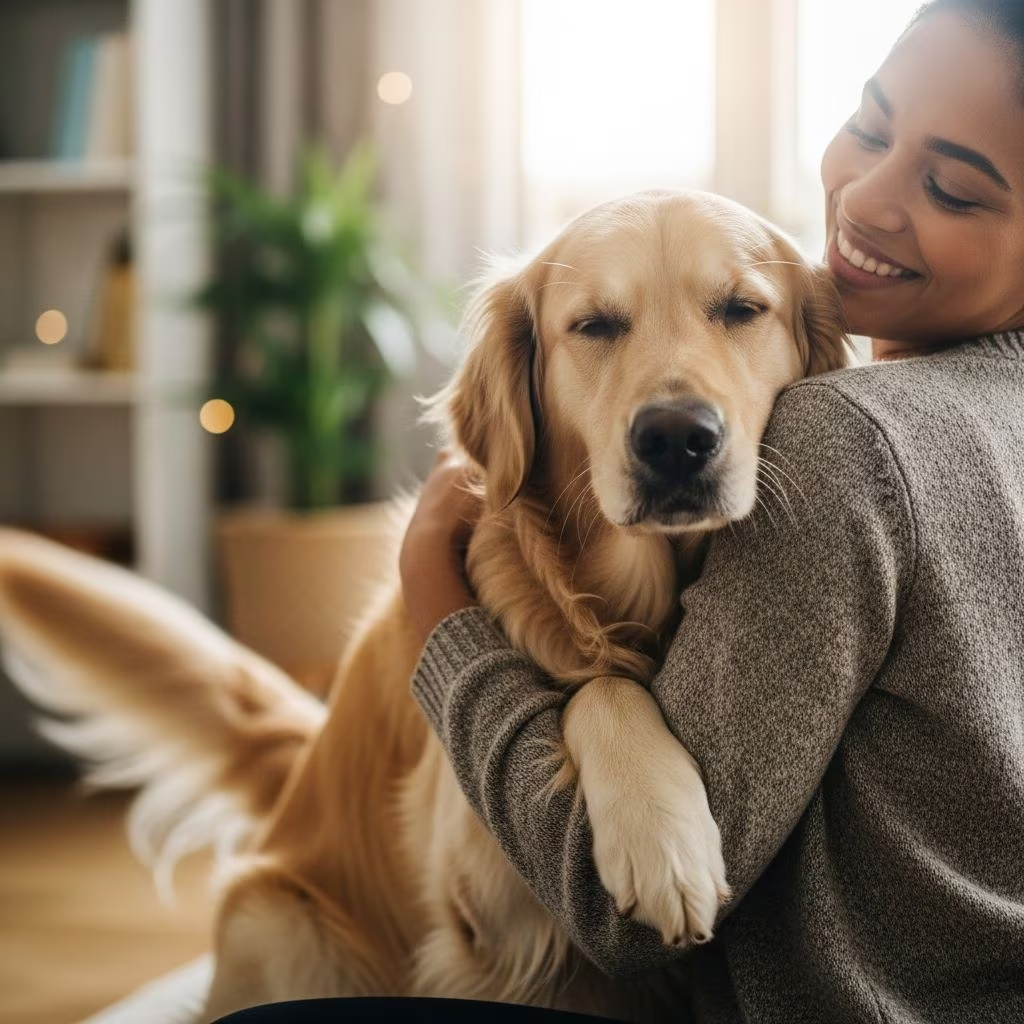
Do Dogs Like Hugs? Understanding Your Dog’s True Feelings
As dog owners, we often express our affection through hugs, squeezes, and tight embraces. But do our furry companions actually enjoy these gestures? The answer might surprise you. Research and expert analysis suggest that most dogs don’t particularly enjoy being hugged by humans, even when they tolerate it without obvious protest. Understanding your dog’s genuine feelings about physical affection is crucial for maintaining a healthy bond and ensuring your pet feels safe and respected in your home.
The Truth About Dogs and Hugs: What Research Reveals
Animal behaviorists have long expressed caution about hugging dogs, primarily because most dogs don’t actually like it. A comprehensive analysis conducted by Stanley Coren, Ph.D., a professor of psychology at the University of British Columbia, examined 250 random photos of people hugging dogs from the internet. In this groundbreaking review, Coren categorized each dog’s apparent response into three distinct categories: stressed or anxious, relaxed and at ease, or neutral and ambiguous.
The findings were striking and illuminating:
- 204 dogs (81.6 percent) showed one or more signs of stress, discomfort, or anxiety
- 27 dogs (10.8 percent) displayed neutral or ambiguous reactions
- Only 19 dogs (7.6 percent) appeared comfortable with being hugged
Based on this data, experts concluded that it makes sense to recommend that humans refrain from hugging dogs and save their hugs for other people. These statistics paint a clear picture: the vast majority of dogs find hugging to be an uncomfortable or stressful experience.
It’s All About Recognizing Stress Signals
Understanding your dog’s body language is essential for determining whether your pet is actually comfortable with hugs. When dogs are hugged, they often display visible signs of anxiety and discomfort that owners might miss or misinterpret. Some dogs tolerate hugging, but even then, their reactions are neutral at best. Truly happy dogs who genuinely enjoy hugs are exceptionally rare.
More recent research has provided even greater insight into canine stress responses during hugging. A study published in Applied Animal Behaviour Science analyzed videos of dogs being hugged on social media platforms, allowing researchers to observe subtle behaviors that are harder to detect in still photographs.
The study revealed that dogs frequently display the following stress indicators when being hugged:
- 68 percent avoided eye contact and turned their heads away
- 44 percent licked their lips or nose
- 60 percent flattened their eyes
- 81 percent blinked excessively
- 43 percent panted
- 68 percent nipped or bit at the person hugging them
These behaviors are all classic indicators that dogs are uncomfortable during hugging interactions. What many owners mistake for cute behavior—such as yawning and lip-smacking—are actually calming signals that dogs use to self-soothe when they feel stressed or anxious.
Why Dogs Don’t Like Being Hugged
There are several biological and behavioral reasons why dogs find hugging stressful. Dogs are cursorial animals, meaning they are designed to run swiftly and escape from threats quickly. When a dog is hugged and restrained, they lose their ability to employ their primary defense mechanism: running away. This restriction triggers anxiety in dogs because they cannot respond to perceived threats in the way their instincts dictate. Being held tight removes the dog’s sense of control and autonomy, which most dogs find deeply uncomfortable.
Additionally, different dog breeds have varying tolerance levels for physical restraint. Dogs who like to be in charge of their own movement—such as herding dogs like Corgis and Border Collies—are particularly likely to dislike hugs. These breeds have been specifically selected for their desire to control movement, so being physically restrained contradicts their fundamental behavioral nature.
Humans Often Misunderstand Dog Body Language
One of the biggest problems is that humans frequently fail to recognize or properly interpret the stress signals dogs are displaying. Dogs communicate their discomfort through subtle body language cues that many well-meaning owners simply don’t understand. This misunderstanding can have serious consequences for both the dog’s welfare and the human-dog relationship.
When humans misinterpret a dog’s calming signals or stress indicators, they may continue hugging or restraining the dog, causing increased feelings of discomfort, anxiety, fear, and distress in the animal. Over time, this can damage the bond between owner and pet and lead to welfare issues for the dog. In some cases, if the dog feels their communication has failed and they’re unable to escape the situation, they may escalate to defensive or aggressive behavior as a last resort.
How to Tell If Your Dog Is Actually a Hugger
While most dogs don’t enjoy hugs, some individual dogs may be more tolerant or even accepting of them. Determining whether your dog falls into this rare category requires careful observation and knowledge of stress signals. It’s essential to understand the differences between what your dog genuinely enjoys and what they merely tolerate.
A behaviorally healthy, non-aggressive dog can potentially be conditioned to accept or even enjoy hugs through positive reinforcement. If you consistently pair hugs with highly rewarding experiences—such as offering chicken treats immediately after hugging your dog—and repeat this process hundreds of times, your dog may eventually develop a positive association with hugs. However, this requires significant commitment and isn’t necessary for a healthy pet relationship.
That said, there are clear exceptions where certain dogs show more willingness to accept physical affection. It depends on several factors: the individual dog’s personality and history, who is doing the hugging (dogs often tolerate hugs better from familiar people), the specific situation, and most importantly, how the dog is being hugged.
Better Ways to Show Affection to Your Dog
If your dog doesn’t enjoy hugs, there are many other ways to express your love and affection. Understanding these alternatives will help you bond with your pet in ways that your dog actually appreciates and enjoys.
Cuddling Is Different From Hugging
It’s crucial to understand that cuddling is not the same as hugging. Dogs who like to snuggle may be happy to lean against someone, sit next to you on the couch, or rest their head on your lap. This type of close contact allows your dog to initiate and maintain physical proximity on their own terms, which is very different from a full embrace where human arms wrap around the dog’s body or neck. If your dog leans into you or seeks out physical closeness, they’re demonstrating affection in a way that feels safe and comfortable for them.
Gentle Hugs May Be More Acceptable
If you absolutely must hug your dog, the way you hug matters significantly. A gentler hug that is not as long, tight, or positioned high up on the neck may be easier for dogs to accept. Brief, loose embraces are far less stressful than prolonged, tight squeezes around the neck—which many dogs find particularly alarming. Short duration and low pressure are key factors in making any hug more tolerable for your pet.
Monitor Children Closely
Children are particularly likely to squeeze dogs too strongly and hang on to their necks, causing significant stress to the animal. If you have young children, it’s absolutely essential to carefully supervise all interactions between them and your dog. Teach children appropriate ways to pet and interact with dogs, and always monitor for signs that your dog is becoming uncomfortable or stressed.
Receiving Hugs Is Different for Dogs
Interestingly, tall dogs who stand on their back legs and place their front paws on a person’s shoulders are often quite happy to give hugs. This is a completely different experience from receiving hugs because the dog is initiating the contact and maintains control over the interaction. When your dog offers this type of gesture, they are choosing to engage in physical affection on their own terms, which makes it an authentic display of affection.
Safety Guidelines for Hugging Dogs
Whether your dog is a hugger or not, there are important safety guidelines you should follow:
- Never hug unfamiliar dogs. You don’t know their history, temperament, or how they’ll react. Hugging unfamiliar dogs is a risky proposition that could lead to dog bites and injuries.
- Respect your dog’s boundaries. Just like you ask human friends for consent before hugging them, your dog needs the same courtesy and respect for their personal space and boundaries.
- Watch for stress signals. If your dog shows any signs of discomfort—turning away, avoiding eye contact, lip-licking, or stiff posture—stop immediately and give them space.
- Keep hugs brief and gentle. If your dog tolerates hugs, keep them short, soft, and not too high on the neck.
- Build positive associations slowly. If you want your dog to be more accepting of hugs, pair them with treats and positive experiences over time.
Understanding Individual Dog Differences
Every dog is unique, and individual preferences vary greatly. While research shows that most dogs don’t enjoy hugs, some dogs may be more accepting due to their personality, early socialization experiences, breed characteristics, or relationship with their owner. A dog who shares a strong bond with their owner may be more willing to tolerate hugs occasionally—though this still doesn’t mean they actively enjoy them.
The key is to observe your specific dog’s behavior and body language rather than assuming all dogs feel the same way about physical affection. Pay attention to whether your dog seeks out closeness with you, how they respond when you approach them, and what signals they display during various interactions.
Frequently Asked Questions
Q: Does my dog not love me if they don’t enjoy hugs?
A: Absolutely not. Dogs show affection in many different ways. Just because your dog doesn’t enjoy hugs doesn’t mean they don’t love you. They might show love through cuddling, leaning against you, following you around, or displaying excitement when you come home. Respecting your dog’s boundaries actually strengthens your bond.
Q: Can I train my dog to like hugs?
A: Yes, through extensive positive reinforcement over hundreds of repetitions, you may be able to teach a dog to tolerate or even develop a positive association with hugs. Pairing hugs with high-value rewards like treats or praise can help. However, this requires significant time and effort and isn’t necessary for a healthy relationship with your pet.
Q: What are the most obvious signs my dog is stressed by hugs?
A: Clear stress signals include turning their head away, avoiding eye contact, flattening their ears, licking their lips, yawning, panting, stiffening their body, and attempting to move away from you. If you observe any of these behaviors, stop hugging your dog immediately.
Q: Is it safe to hug my dog at all?
A: While gentle, brief hugs may be acceptable if your dog shows no stress signals, it’s generally safest to express affection in other ways that dogs naturally prefer, such as petting, playing, or cuddling side-by-side.
Q: Why does my dog lean into me if they don’t like hugs?
A: When a dog leans against you, they’re initiating close contact on their own terms and maintaining control over the interaction. This is very different from you grabbing them and holding them in a hug, where they lose control of the situation.
Q: What should I teach children about hugging dogs?
A: Teach children that hugs can make dogs uncomfortable, and encourage them to pet dogs gently instead. Show them how to recognize stress signals and to always ask permission before touching a dog. Supervise all interactions between children and dogs closely.
The Bottom Line: Showing Affection Your Dog’s Way
While it’s natural to want to hug and squeeze our adorable companions, the evidence is clear: most dogs don’t actually enjoy being hugged. Rather than forcing your preferred style of affection on your dog, consider showing love in ways that your dog genuinely appreciates. This might include playing together, going for walks, offering treats, cuddling on the couch with loose contact, or simply spending quality time together.
The most important thing is respecting your dog’s boundaries and preferences. By understanding your dog’s body language and responding appropriately to their comfort levels, you’re strengthening your relationship and ensuring your pet feels safe, respected, and genuinely loved. After all, true love means accepting and honoring our dogs for who they are—even if they’re not huggers.
References
- Why Do Dogs Hug Each Other? — Kinship. January 2026. https://www.kinship.com/dog-behavior/why-do-dogs-hug
- How to Tell If Your Dog Is a Hugger—Or Not — Kinship. January 2026. https://www.kinship.com/dog-behavior/how-do-dogs-feel-about-hugs
- Most Dogs Don’t Really Like Being Hugged, New Study Finds — Kinship. January 2026. https://www.kinship.com/dog-behavior/dogs-dont-like-being-hugged-study-news



