

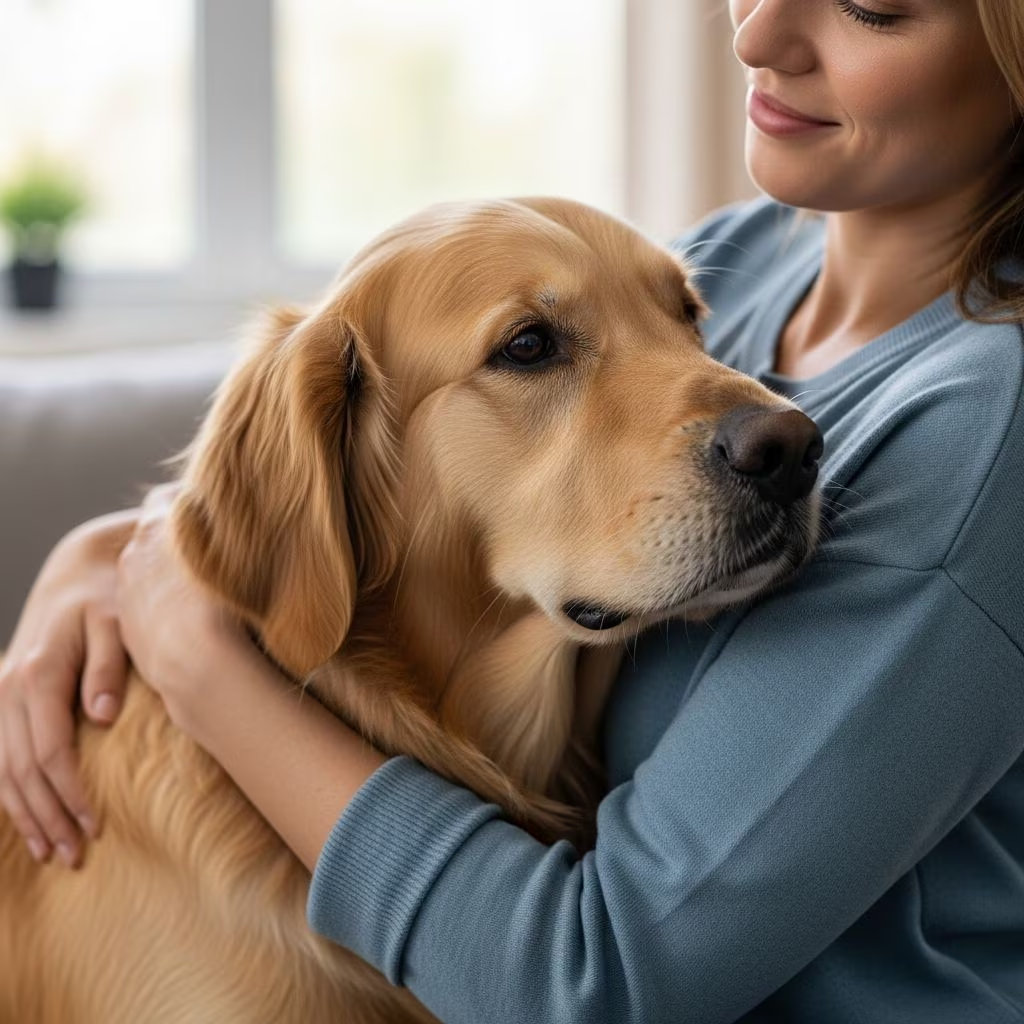
Do Dogs Like Hugs? The Truth Behind Canine Affection
One of the most common expressions of affection between humans and their pets is the hug. We wrap our arms around our dogs, squeeze them close, and believe we’re sharing a moment of love. However, the reality is quite different from what many dog owners assume. Recent scientific research has revealed that most dogs do not enjoy being hugged the way humans do, and many actually experience stress during these interactions.
Understanding whether your dog likes hugs requires looking beyond the surface. While your dog may not run away or show obvious resistance, they might be silently experiencing anxiety and discomfort. This disconnect between human intentions and canine experience is a critical aspect of responsible pet ownership that every dog lover should understand.
What Science Says About Dogs and Hugs
Numerous research studies have examined the relationship between dogs and hugging. One landmark study conducted by researchers analyzed photographs of people hugging their dogs to assess the animals’ reactions. The findings were striking: approximately 81 percent of dogs in these photographs displayed clear body language signs of stress, despite their owners appearing happy and affectionate.
In another investigation using video analysis, researchers examined three separate studies on videos of people playing with, petting, and hugging their dogs. The results were particularly revealing when it came to hugging behaviors. In two out of three studies, dogs exhibited nipping or biting behaviors when being hugged, which researchers noted was not indicative of a joyful response. This defensive reaction suggests that many dogs perceive hugs as threatening rather than comforting.
The research collectively demonstrates a troubling gap between human perception and canine reality. Dog owners frequently fail to recognize the stress signals their pets display during interactions, including hugging. This misunderstanding can lead to repeated stressful experiences for dogs, even though owners believe they are expressing love.
Understanding Canine Body Language During Hugs
To determine whether your dog actually enjoys hugs, you need to become fluent in canine body language. Dogs communicate their feelings through subtle physical cues, and learning to recognize these signals is essential for responsible pet ownership.
Common Stress Signals Dogs Display
When dogs experience stress or discomfort from hugging, they often exhibit several telltale signs:
- Turning away or averting gaze: If your dog turns their head away when you attempt to hug them, this is a clear sign of discomfort. Many dogs will look in the opposite direction of their owner’s face during hugs.
- Avoiding eye contact: Dogs that feel stressed may refuse to make eye contact with their owner, instead looking downward or to the side.
- Ear flattening: When dogs pull their ears back against their head, they are often signaling anxiety or submission. This is a classic stress indicator during physical contact.
- Lip licking: Rapid or excessive licking of the lips can indicate nervous behavior and stress in dogs.
- Whale eye: When you can see the whites of your dog’s eyes (sclera), this indicates they are experiencing stress or fear.
- Tense body posture: A stiff, rigid body or leaning away from you suggests your dog is uncomfortable.
- Yawning: While yawning can indicate tiredness, it can also be a stress response in dogs.
- Nipping or biting: In severe cases, dogs may attempt to nip or bite when hugged, representing a more direct attempt to escape the situation.
Signs of Comfort
While most dogs show stress signals during hugs, some dogs do appear genuinely comfortable. Signs that your dog might actually enjoy physical affection include maintaining eye contact with you, having a relaxed body posture, leaning into you rather than away, and remaining calm without displaying any of the stress indicators mentioned above. However, research suggests that only a small percentage of dogs fall into this category.
Why Dogs Find Hugs Stressful
Understanding the reasons why dogs find hugs stressful requires considering how dogs are biologically wired and how they perceive physical restraint.
The Escape Response in Canine Behavior
Dogs are cursorial animals, meaning they are naturally designed for swift running and movement. Throughout their evolutionary history, their primary defense mechanism in times of stress or threat has not been aggression but rather the ability to flee. When faced with danger or discomfort, dogs instinctively want to run away to safety.
A hug, by its nature, immobilizes a dog. It restricts their movement and removes their primary coping mechanism—the ability to escape. Behaviorists argue that this immobilization can significantly increase a dog’s stress levels. Some dogs tolerate this restriction with resignation, while others may escalate to more direct defensive behaviors such as biting.
Loss of Control and Personal Space
Dogs value their personal space and autonomy, much like humans do. When you hug a dog, you’re imposing close physical contact that the dog did not choose. This loss of control over their immediate environment can trigger anxiety in many dogs, particularly those with lower thresholds for stress or those not accustomed to such handling.
Sensory Overwhelm
Close physical contact during a hug can create sensory overwhelm for dogs. The pressure of being held, combined with proximity to a human face, loud vocalizations, or facial expressions, can be overstimulating, particularly for sensitive dogs.
Individual Differences in Dog Responses to Hugs
While research shows that most dogs find hugs stressful, not all dogs respond identically. Several factors influence how individual dogs react to hugging:
Socialization and Early Experience
Dogs that have been well-socialized from a young age may be more accustomed to receiving affection, including hugs. Early positive exposure to gentle handling can increase a dog’s tolerance for physical contact. However, tolerance should not be confused with enjoyment. A dog that tolerates hugs has learned to accept them, but this doesn’t necessarily mean they enjoy the experience.
Breed Characteristics
Certain breeds have been selectively bred to be more affectionate and receptive to physical contact. Breeds known for their friendly and outgoing nature, such as Labradors and Golden Retrievers, may be more receptive to hugs compared to breeds that are naturally more independent or reserved. However, individual personality traits can override breed tendencies, and not all Labradors enjoy hugs while not all independent breeds find them stressful.
Individual Personality and Temperament
Just as with humans, individual dogs have unique personalities and preferences. Some dogs naturally enjoy close physical contact with their owners, while others prefer more distance and autonomy. Respecting your individual dog’s preferences is crucial to their emotional well-being.
Previous Experiences
Dogs that have had negative experiences involving physical restraint may be particularly sensitive to hugs. Rescue dogs or dogs with traumatic histories may find hugging especially stressful, even if they bond strongly with their owners.
The Oxytocin Connection: Does Bonding Still Happen?
Some dog owners point to research showing that positive interactions between dogs and humans increase oxytocin levels—the so-called “love hormone.” While it’s true that cuddling and positive social interactions can increase oxytocin in both dogs and owners, this doesn’t necessarily mean that hugs are the optimal way to achieve this bonding.
Research has shown that oxytocin levels increase when dogs and their owners engage in positive social interactions such as stroking, talking, and mutual eye contact. However, these bonding benefits can be achieved through gentler forms of affection that don’t involve the restraint and immobilization of a hug. Petting, playing, and spending quality time with your dog can increase beneficial hormone levels without the associated stress.
Better Alternatives to Hugging Your Dog
If you want to express affection to your dog in ways they actually enjoy, consider these alternatives:
Gentle Petting and Stroking
Most dogs enjoy being petted, particularly in areas like their back, shoulders, and chest. Avoid sensitive areas like their paws, ears, and belly unless you know your individual dog enjoys this. Gentle, consistent stroking releases calming hormones in both you and your dog.
Playtime and Interactive Activities
Dogs are often happiest when engaged in play with their owners. Playing fetch, tug-of-war, or interactive games provides mental stimulation and strengthens your bond without the stress of physical restraint.
Quality Time and Companionship
Simply spending time near your dog, sitting together, or going for walks demonstrates affection and strengthens your relationship. Dogs value proximity to their owners and feel secure in your presence.
Training and Positive Reinforcement
Engaging in training sessions with your dog using positive reinforcement builds trust and strengthens your bond. Dogs enjoy the mental stimulation and the attention they receive during training.
Respecting Personal Space
Sometimes the greatest gift you can give your dog is respect for their personal space. Allowing them to approach you for affection, rather than imposing it, gives them agency and control over interactions.
What If Your Dog Seems to Enjoy Hugs?
If you observe that your dog truly appears comfortable with hugs—maintaining relaxed body posture, making eye contact, and showing no stress signals—then hugging may be part of your particular dog’s love language. However, even in these cases, it’s important to keep hugs brief and gentle, and to always watch for any changes in your dog’s tolerance level.
It’s also worth considering that your dog may be showing higher tolerance rather than genuine enjoyment. Some well-socialized or particularly patient dogs may accept hugs without complaint, even if they don’t actively enjoy them. The absence of stress signals doesn’t always indicate presence of enjoyment.
Teaching Children About Appropriate Dog Affection
If you have children in your household, it’s critical to teach them about appropriate ways to interact with dogs. Many dog bites to children occur during attempts at hugging. Teaching children to pet dogs gently, respect their space, and recognize stress signals can prevent injuries and help children develop empathy for animals.
Frequently Asked Questions About Dogs and Hugs
Q: If my dog doesn’t pull away from hugs, does that mean they enjoy them?
A: Not necessarily. A dog that doesn’t pull away may simply be tolerating the behavior. Dogs often remain still or passive during stressful situations as a survival mechanism. Watch for other body language signals like ear position, eye contact, and overall tension to better understand your dog’s true feelings.
Q: Can hugging damage my relationship with my dog?
A: Occasional hugging likely won’t damage your relationship, especially if your dog shows no clear stress signals. However, frequent hugging that causes your dog stress can create anxiety and erode trust. The key is recognizing your individual dog’s preferences and adjusting your behavior accordingly.
Q: Is there a “right way” to hug a dog if I must hug them?
A: If you choose to hug your dog, keep hugs brief, gentle, and loose rather than tight. Avoid restraining their head or blocking their ability to move away. Better yet, substitute hugs with petting, playing, or simply spending time together.
Q: Why do some trainers and behaviorists say dogs can enjoy hugs?
A: While some well-socialized dogs may tolerate hugs better than others, scientific research suggests most dogs find them stressful. Different professionals may interpret the same body language differently, or focus on dogs with particularly high tolerance for handling.
Q: How can I show my dog affection if not through hugs?
A: There are many wonderful ways to show affection: gentle petting, playing fetch or other games, providing healthy treats, spending quality time together, and simply being present. These alternatives are often more rewarding for dogs than hugs.
Q: Should I stop hugging my dog completely?
A: This depends on your individual dog. If your dog shows clear stress signals during hugs, then yes, you should minimize or eliminate hugging. If your dog appears genuinely comfortable, occasional gentle hugs are unlikely to cause harm, but observe your dog’s responses carefully.
References
- Human-dog communication: How body language and non-verbal cues are key to clarity in dog-directed play, petting and hugging behaviour by humans — Walsh, E. A., Meers, L. L., Samuels, W. E., Boonen, D., Claus, A., Duarte-Gan, C., Stevens, V., Contalbrigo, L., & Normando, S. (2024). https://doi.org/10.1038/s41598-024-51898-5
- The Role of Oxytocin in the Dog–Owner Relationship — Handlin, L., Hydbring-Sandberg, E., Nilsson, M., Ejdebäck, M., Jansson, A., & Uvnäs-Moberg, K. (2011). PLOS ONE, 6(12). https://doi.org/10.1371/journal.pone.0028085
- Should You Give Your Dog Hugs? — American Kennel Club. https://www.akc.org/expert-advice/lifestyle/should-you-give-your-dog-hugs/
- Research Confirms It: Dogs Don’t Like Being Hugged — Psychology Today. (2024). https://www.psychologytoday.com/us/blog/canine-corner/202405/new-research-confirms-dogs-really-dont-like-being-hugged



