

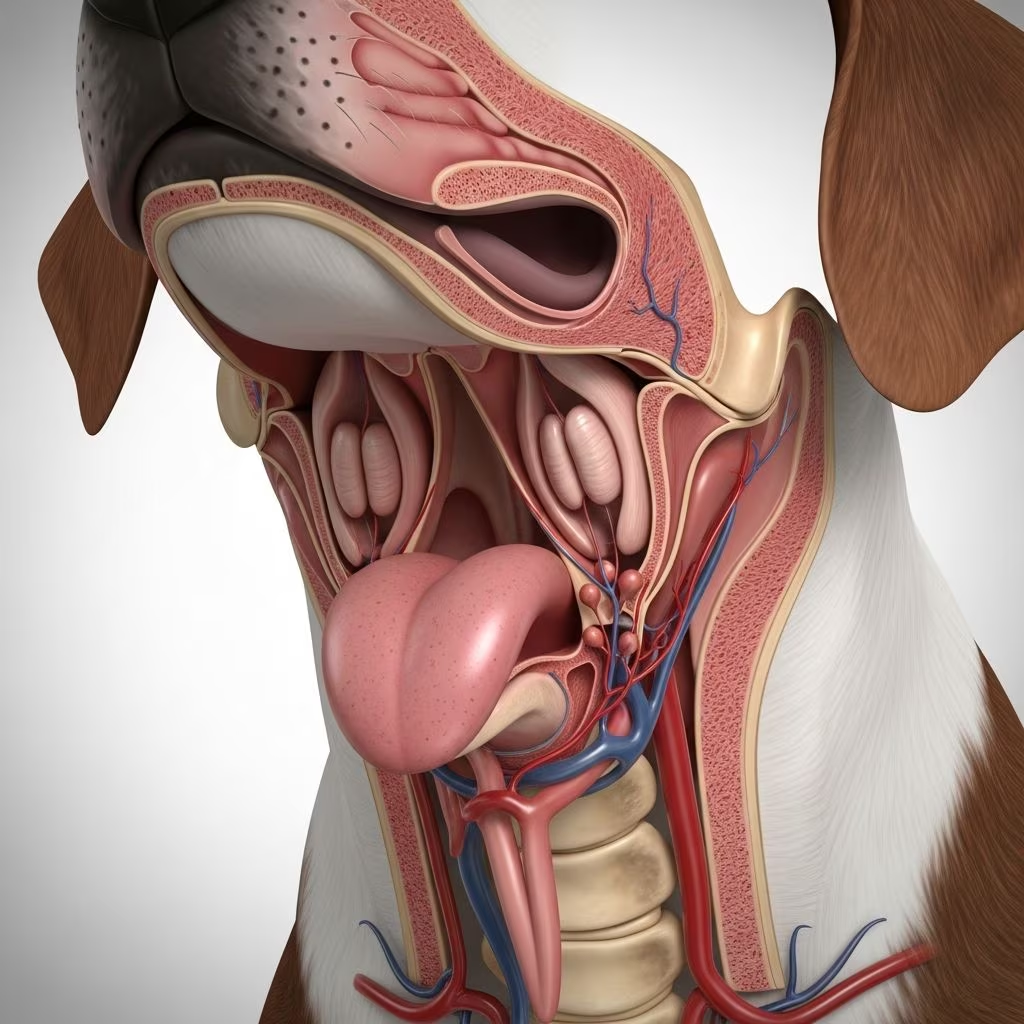
Dogs do have tonsils, which are essential components of their immune system located in the throat. These lymphoid tissues help protect against ingested or inhaled pathogens, playing a key role in early defense mechanisms.
The Anatomy of Canine Tonsils
Canine tonsils are primarily the palatine tonsils, situated on the dorsolateral walls of the oropharynx between the palatoglossal and palatopharyngeal arches. They reside within the tonsillar fossa, partially covered by a semilunar fold called the tonsillar fold that extends from the soft palate. In dogs, these tonsils appear oval-shaped, measuring approximately 26.42 mm in length and 9.09 mm in width at their thickest point, with a greyish-pink to reddish-pink color.
Histologically, the surface is lined with stratified squamous non-keratinized epithelium, featuring multiple crypts infiltrated by lymphocytes, known as follicle-associated epithelium (FAE). The underlying structure includes lymphoid follicles with germinal centers, parafollicular areas rich in high endothelial venules, and interfollicular regions containing lymphocytes, plasma cells, mast cells, macrophages, and fibroblasts. These tonsils are larger in young dogs and may protrude from the fossa.
Dogs lack certain tonsils found in other species, such as tubal tonsils and those on the soft palate, but they possess pharyngeal (adenoid) tonsils in the nasopharynx and lingual tonsils on the oropharynx floor. This configuration forms part of the mucosa-associated lymphoid tissue (MALT), specifically guarding the gastrointestinal and respiratory tract entrances.
Immune Functions of Tonsils in Dogs
Tonsils act as secondary lymphoid organs, sampling antigens from the oral and nasal cavities to initiate immune responses. B cells within the tonsils differentiate to produce IgA antibodies, crucial for mucosal immunity against bacteria and viruses entering via food or air. The crypts facilitate close contact with pathogens, allowing lymphocytes to detect and respond to threats efficiently.
In healthy dogs, tonsils remain small and unobtrusive, but they enlarge during immune activation to enhance pathogen trapping and antibody production. This sentinel role prevents infections from progressing deeper into the respiratory or digestive systems, contributing to overall canine health resilience.
Common Tonsil Disorders in Canines
Tonsillitis, or inflammation of the tonsils, is the primary disorder affecting dog tonsils. It occurs when bacteria or viruses overwhelm the tonsils’ defenses, leading to infection. Chronic cases may stem from underlying respiratory diseases or immune deficiencies.
- Acute Tonsillitis: Sudden onset, often bacterial, causing rapid swelling.
- Chronic Tonsillitis: Recurrent inflammation, potentially requiring more aggressive intervention.
Other issues include tonsillar hyperplasia (non-inflammatory enlargement) in young dogs and, rarely, tonsillar tumors like lymphoma or squamous cell carcinoma, more common in older pets.
Recognizing Symptoms of Tonsil Problems
Early detection of tonsil issues relies on observing behavioral and physical changes. Common signs include:
- Excessive drooling or difficulty swallowing due to pain.
- Halitosis (bad breath) from infection or necrosis.
- Coughing, gagging, or voice changes (altered bark).
- Loss of appetite or reluctance to eat hard food.
- Fever, lethargy, or enlarged lymph nodes under the jaw.
Owners might notice a visible mass at the back of the throat during yawning or panting, especially if tonsils protrude. Symptoms can mimic other conditions like foreign bodies or dental disease, necessitating professional evaluation.
Veterinary Diagnosis of Canine Tonsillitis
Diagnosis begins with a thorough physical exam, including visualization of the throat using a speculum or endoscope. Veterinarians assess tonsil size, color, and presence of exudate. Additional tests include:
| Test | Purpose |
|---|---|
| Bloodwork | Detects infection markers like elevated white blood cells or inflammatory proteins. |
| Culture/Swab | Identifies specific bacteria for targeted antibiotics. |
| Imaging (Radiographs, Ultrasound) | Evaluates tonsil size and rules out abscesses or tumors. |
| Biopsy | Confirms neoplasia in persistent cases. |
Routine dental checks often reveal tonsil issues incidentally, as oral health impacts throat lymphoid tissues.
Treatment Options for Inflamed Dog Tonsils
Treatment depends on severity and cause. Mild cases resolve with supportive care:
- Antibiotics (e.g., amoxicillin-clavulanate) for bacterial infections.
- Anti-inflammatories like NSAIDs to reduce swelling and pain.
- Soft diets and hydration to ease swallowing.
Severe or recurrent tonsillitis may require tonsillectomy, surgically removing one or both palatine tonsils. This procedure, similar to human tonsillectomies, uses laser or scalpel under general anesthesia, with recovery in 7-10 days. Post-op care includes pain management and monitoring for hemorrhage.
For neoplastic growths, options range from chemotherapy to complete excision, guided by histopathology.
Preventing Tonsil Issues in Your Dog
Proactive measures reduce tonsil problem risks:
- Maintain dental hygiene with brushing and professional cleanings to minimize bacterial spread.
- Ensure vaccinations against respiratory pathogens like kennel cough.
- Monitor diet to avoid irritants; high-quality kibble supports immunity.
- Regular vet visits for early detection, especially in breeds prone to throat issues (e.g., brachycephalics like Bulldogs).
Avoid smoking exposure and rapid diet changes, which can inflame throat tissues.
Breeds and Factors Influencing Tonsil Health
While tonsillitis affects all dogs, certain factors increase susceptibility:
- Brachycephalic Breeds: Pugs, Boston Terriers face higher risks due to airway anatomy.
- Young Puppies: Larger, protruding tonsils heighten exposure.
- Immunocompromised Dogs: Those with allergies or endocrine disorders.
Males may show more pronounced symptoms due to size differences in throat structures.
FAQs on Dog Tonsils
Can dog tonsils be removed safely?
Yes, tonsillectomy is a routine surgery with low complication rates, performed when infections recur or cause significant distress.
Do all dogs have visible tonsils?
No, healthy tonsils are small and hidden; enlargement makes them noticeable during exams.
Is tonsillitis contagious to humans?
Rarely; most canine cases involve species-specific bacteria, though good hygiene prevents zoonotic risks.
How long does tonsillitis recovery take?
With antibiotics, 7-14 days; surgery recovery spans 10-14 days with restricted activity.
Should I worry about bad breath in my dog?
Persistent halitosis warrants a vet check, as it may signal tonsillitis or dental disease.
Long-Term Outlook After Tonsillectomy
Dogs adapt well post-tonsillectomy, with minimal immune impact since tonsils are one part of a robust MALT system. Recurrence rates drop dramatically, improving quality of life. Owners report reduced coughing and better appetite long-term.
References
- Understanding Dog Tonsils: Anatomy and Function — Oreate AI Blog. 2024. https://www.oreateai.com/blog/understanding-dog-tonsils-anatomy-and-function/0829fc79492692ddec136c2fcb0b3043
- Gross and histological study on palatine tonsil of dogs — Veterinary Paper. 2024-04. https://www.veterinarypaper.com/pdf/2024/vol9issue4S/PartC/S-9-4-26-122.pdf
- Tonsils – Anatomy & Physiology — WikiVet English. Accessed 2026. https://en.wikivet.net/Tonsils_-_Anatomy_&_Physiology
- The Tonsils Revisited: Review of the Anatomical Localization and Histological Characteristics — Wiley Online Library. 2011-08-21. https://onlinelibrary.wiley.com/doi/10.1155/2011/472460



