

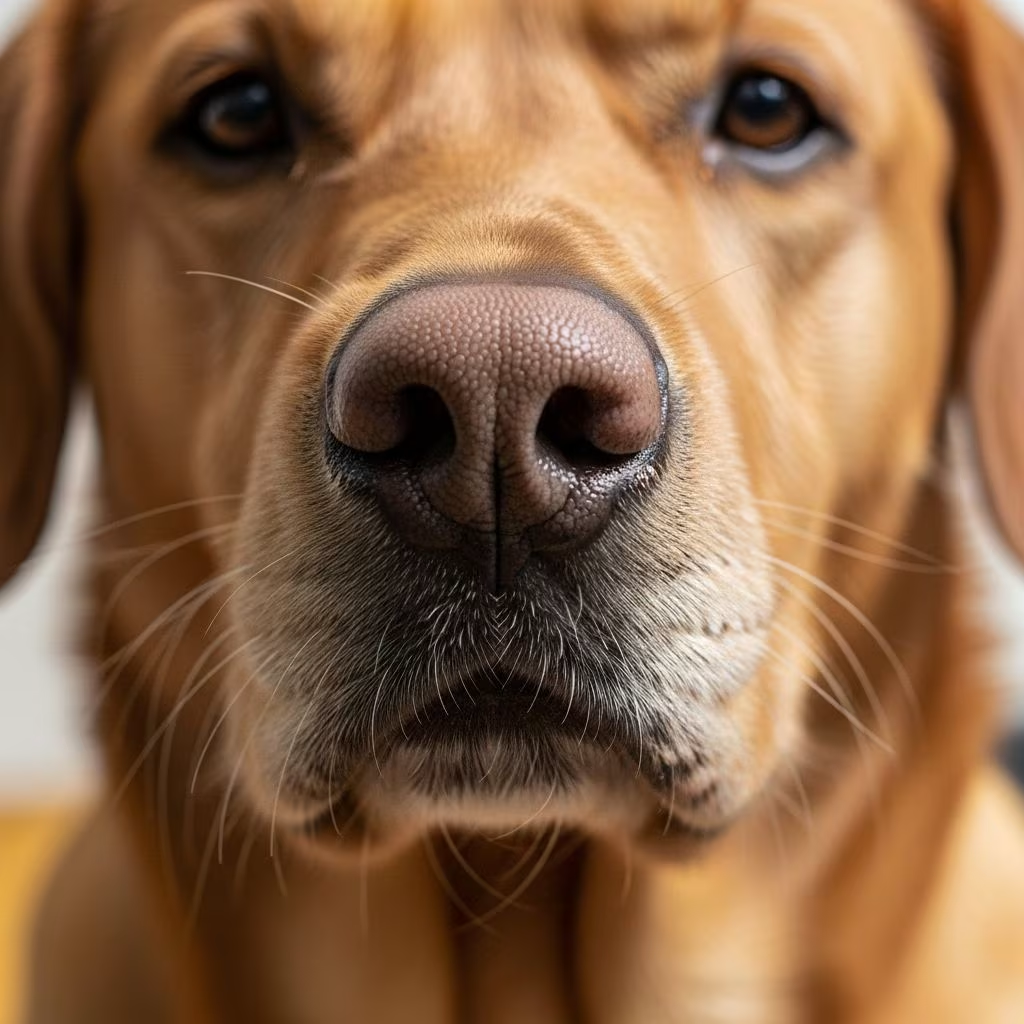
Dogs do not develop cold sores caused by the human herpes simplex virus, but they can experience similar-looking lesions on their lips, gums, or mouth from other conditions like chronic ulcerative paradental stomatitis (CUPS) or canine herpesvirus (CHV). These issues often mimic human fever blisters, prompting concern among pet owners. Understanding the differences is crucial for timely veterinary intervention and effective management.
Understanding Lip Lesions in Canines
While humans associate cold sores with the herpes simplex virus type 1 (HSV-1), which creates painful, fluid-filled blisters on or near the mouth, dogs have distinct viral and bacterial culprits. Canine herpesvirus primarily affects puppies, causing severe systemic illness rather than isolated lip sores, whereas adult dogs might show milder respiratory or genital symptoms. In contrast, conditions like CUPS lead to ulcerative lesions specifically around the lips and teeth due to an immune overreaction to oral bacteria.
Other mimics include lip-fold pyoderma, allergies, injuries from excessive licking, or pyoderma, which presents as pus-filled sores. These can arise from parasites, stress, or poor hygiene, making accurate identification essential. Breeds such as Maltese, Cavalier King Charles Spaniels, Greyhounds, and Labrador Retrievers show genetic predispositions to CUPS, highlighting the role of heredity in oral health vulnerabilities.
Canine Herpesvirus: A Serious Puppy Threat
Canine herpesvirus (CHV) spreads through nasal, oral, eye, or genital contact, thriving in cooler body temperatures below 95°F, which is why neonates under four weeks are most at risk. In puppies, it triggers “fading puppy syndrome,” with symptoms like lethargy, diarrhea, nasal discharge, conjunctivitis, corneal edema, erythematous rash, and oral ulcers that may resemble cold sores.
Adult dogs often carry CHV asymptomatically or exhibit mild upper respiratory signs such as runny nose, cough, or eye issues like squinting and discharge. Immunocompromised adults face more severe manifestations. Transmission occurs readily in kennels or breeding facilities, emphasizing hygiene in multi-dog environments.
Chronic Ulcerative Paradental Stomatitis (CUPS): The True Lip Ulcer Culprit
CUPS represents a hypersensitivity to plaque bacteria, sparking intense inflammation and ulceration along the dental margins, lips, and pharynx. Even minimal plaque buildup provokes this autoimmune-like response, leading to painful craters akin to cold sores.
- Common Symptoms: Excessive drooling, thick ropey saliva, halitosis, anorexia, reluctance to drink, pawing at the mouth, and resistance to dental handling.
- Secondary Issues: Lip-fold pyoderma or generalized periodontal disease.
Diagnosis requires ruling out standard gingivitis via biopsy, often necessitating sedation and referral to a veterinary dentist.
Spotting Symptoms Early: What to Watch For
Owners should monitor for persistent lip bumps, discoloration of gums or tongue, odd smacking while eating, avoidance of touch near the snout, or loss of appetite. In puppies, add crying, hypothermia, or sudden collapse. CHV in adults might involve coughing, sneezing, or genital lesions, while CUPS focuses on oral pain.
| Condition | Key Symptoms | Affected Age Group |
|---|---|---|
| CHV | Lethargy, diarrhea, nasal discharge, eye issues, oral ulcers | Puppies <4 weeks primary; adults mild |
| CUPS | Drooling, bad breath, lip ulcers, anorexia | Adults, breed-predisposed |
| Pyoderma/Allergies | Pus-filled sores, itching, licking | All ages |
Veterinary Diagnosis: Beyond the Surface
A thorough exam, including sedation for oral inspection, distinguishes these from trauma or cancer. For CHV, PCR testing or serology confirms, though in puppies, it’s often presumptive. CUPS biopsy reveals lymphocytic-plasmacytic inflammation unique to the condition. Early detection via regular check-ups prevents escalation.
Treatment Strategies for Oral Lesions
Puppy CHV treatment centers on supportive care: IV fluids with dextrose, warming to >95°F, antinausea meds, oxygen, antibiotics for secondaries, and possibly antivirals like acyclovir or antibody serum. Prognosis is poor once symptomatic, but prevention saves litters.
Adult CHV resolves spontaneously; manage with eye drops, pain relief, or cough suppressants. CUPS demands extractions of affected teeth (often all), followed by pain meds, antibiotics, and soft diets during recovery. Sutures dissolve naturally, with most dogs resuming kibble post-healing.
- Supportive Measures: Hydration, nutrition, warmth.
- Medications: Antivirals (idoxuridine, trifluridine for eyes), antibacterials.
- Surgical: Dental extractions for CUPS.
Prevention: Keeping Your Dog’s Mouth Healthy
Minimize CHV by isolating newborns, screening breeding dogs, maintaining warmth, and vaccinating where available (though not universally effective). For CUPS, rigorous daily brushing with enzymatic toothpaste, professional cleanings, and plaque-control diets are vital. Reduce stress, ensure balanced nutrition, and schedule biannual vet visits.
Breeding facilities should quarantine new dogs and monitor litters closely. General hygiene curbs pyoderma and allergies.
Myths and Facts About Dog Mouth Sores
- Myth: Dogs get human cold sores. Fact: HSV-1 doesn’t cross species; canine issues stem from CHV or bacteria.
- Myth: All lip bumps are herpes. Fact: CUPS or trauma are more common in adults.
- Myth: Home remedies suffice. Fact: Vet care prevents complications.
FAQs
Can humans pass cold sores to dogs?
No, human HSV-1 cannot infect dogs. CHV is canine-specific.
Is CHV fatal in adult dogs?
Rarely; symptoms are mild and self-limiting unless immunocompromised.
How do I clean my dog’s teeth to prevent CUPS?
Use vet-approved enzymatic toothpaste daily, dental chews, and professional scaling.
What if my puppy has mouth sores?
Seek emergency vet care—could be CHV, with high mortality.
Are there vaccines for canine herpesvirus?
Limited; some for pregnant bitches to boost puppy antibodies, but consult your vet.
Long-Term Management and Prognosis
Post-CUPS extraction, 80-90% of dogs achieve remission with diligent home care, though recurrence demands monitoring. CHV survivors develop lifelong immunity, reducing litter risks. Holistic approaches like omega-3 supplements aid inflammation control, but evidence is anecdotal. Partner with vets for tailored plans, ensuring your dog thrives pain-free.
Regular oral exams catch issues early, blending prevention with prompt treatment for optimal outcomes. Educated owners spot subtle signs, safeguarding canine companions from these deceptive “cold sore” imposters.
References
- Canine Herpesvirus Infection — Merck Veterinary Manual. 2023. https://www.merckvetmanual.com/infectious-diseases/canine-herpesvirus-infection/canine-herpesvirus-infection
- Canine Herpesvirus – Causes, Diagnosis, and Treatment — PetMD. 2024. https://www.petmd.com/dog/conditions/infectious-parasitic/canine-herpesvirus-causes-diagnosis-and-treatment
- Can Dogs Get Cold Sores? — PetCloud. 2023. https://www.petcloud.com.au/d/blog/can-dogs-get-cold-sores/
- Canine Herpes Virus — WebMD. 2024. https://www.webmd.com/pets/dogs/canine-herpes-virus
- Can Dogs Get Cold Sores? — Whole Dog Journal. 2023. https://www.whole-dog-journal.com/health/can-dogs-get-cold-sores/
- Canine Herpesvirus: Causes, Symptoms, and Treatments — American Kennel Club. 2024. https://www.akc.org/expert-advice/health/canine-herpesvirus/
- Herpesvirus in Dogs — VCA Animal Hospitals. 2024. https://vcahospitals.com/know-your-pet/herpesvirus-in-dogs



