

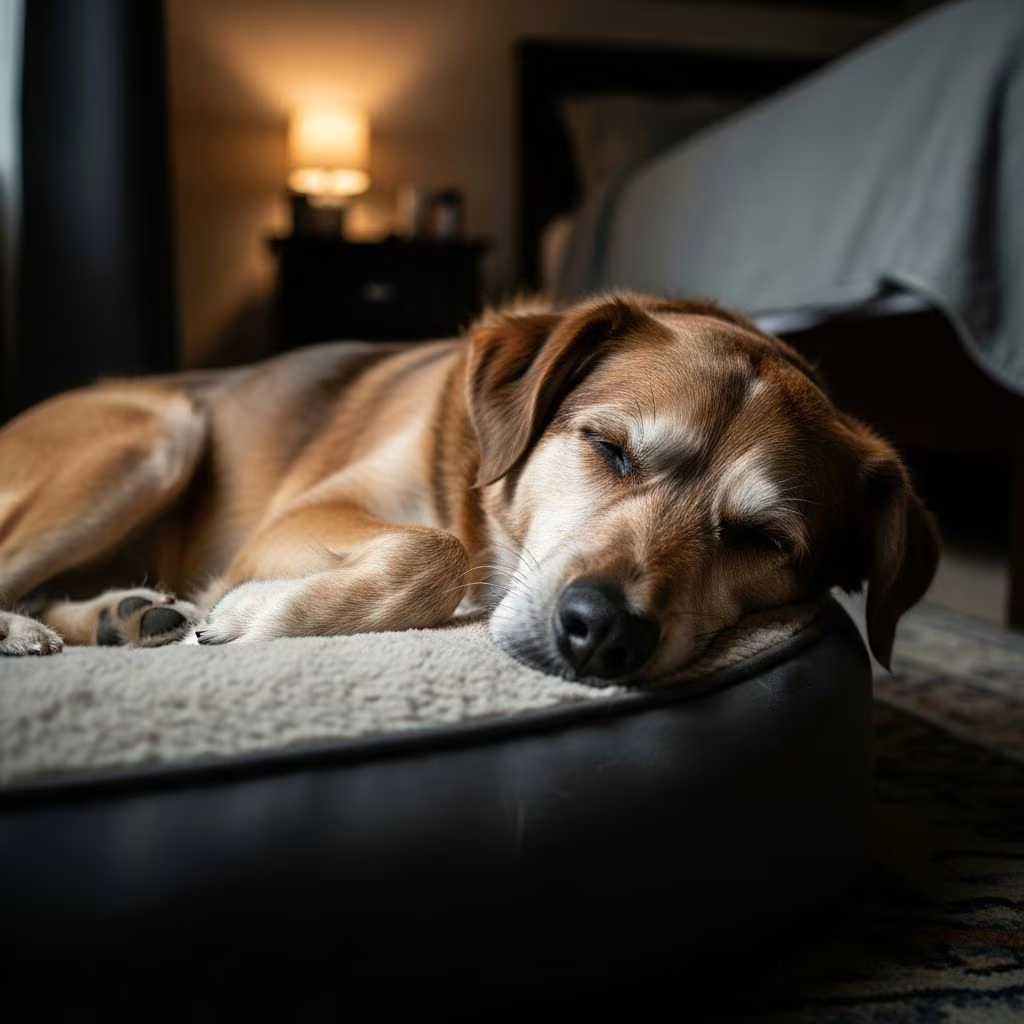
Dogs exhibit sleep behaviors that closely mirror human patterns, including rapid eye movement (REM) sleep where dreams likely occur, leading scientists to conclude they probably experience nightmares from reliving stressful daily events.
Understanding Canine Sleep Cycles
Dogs cycle through non-REM and REM sleep stages similar to humans, with REM characterized by rapid eye movements, increased brain activity, and muscle twitches, indicating active dreaming processes. Puppies and older dogs enter REM more frequently, spending up to 20% of sleep in this phase where vivid dreams take place.
During non-REM, dogs achieve deep restorative sleep, but REM brings brain waves akin to wakefulness, processing daily experiences into memories. This similarity across mammals supports the idea that dogs dream much like we do.
Scientific Proof of Dog Dreaming
Landmark studies, such as those at MIT on rats, showed brain patterns during REM matching daytime maze navigation, suggesting animals replay real events in dreams; similar patterns in dogs imply they dream of chases, play, or interactions.
Researchers disabled the pons—a brainstem area preventing muscle movement during REM—in dogs, allowing them to physically act out dreams, revealing content tied to waking activities like hunting or herding. Harvard’s Dr. Deirdre Barrett notes dogs likely dream visually about emotionally significant things, including their owners.
Signs Your Dog Might Be Dreaming—or Having a Nightmare
- Twitching paws or legs: Often mimicking running or chasing, common in positive dreams.
- Whimpering or soft barks: Vocalizations suggesting excitement or distress during REM.
- Rapid breathing or panting: Elevated heart rate mirroring dream intensity.
- Whining with tense body: Possible nightmare indicators, especially in rescue dogs.
- Eye movements under closed lids: Hallmark of REM sleep dreaming.
These behaviors peak 20-30 minutes into sleep cycles, lasting 2-3 minutes before transitioning.
What Content Fills a Dog’s Dreams?
Dogs dream of “doggy things”—daily routines like fetching balls, patrolling territory, or socializing with pack members (including humans). Active breeds like pointers may dream of pointing, while herders relive corralling.
Emotional attachments shape dreams; dogs often feature their owners’ faces or scents, as they are central to canine emotional lives. Continuity hypothesis posits dreams consolidate waking experiences, blending them creatively.
Can Dogs Truly Have Nightmares?
Veterinarians infer dogs experience nightmares when sleep shows distress signs like intense whining, trembling, or paddling with fear-like expressions, likely replaying traumas such as vet visits, loud noises, or abuse.
While not provable without canine testimony, parallel human nightmares from stress suggest dogs relive negatives similarly; abused or anxious dogs show more such episodes. Not all sources agree on frequency, but evidence leans toward yes.
| Dream Type | Common Signs | Likely Triggers |
|---|---|---|
| Positive Dreams | Happy tail wags, relaxed twitches | Play, walks, treats |
| Nightmares | Crying, stiff body, rapid panting | Trauma, separation, loud events |
| Neutral Processing | Mild movements, soft breaths | Routine daily activities |
Factors Influencing Nightmare Frequency
Age matters: Puppies dream often due to brain development, seniors from cognitive changes. Breed influences content—working dogs dream more action-oriented. Stressors like changes in routine amplify bad dreams.
Health issues, pain, or medications can disrupt sleep, mimicking nightmares; consult vets for persistent distress. Daily exercise promotes better sleep quality, reducing nightmare likelihood.
How to Help a Dog During a Suspected Nightmare
Gently intervene without startling: Speak softly or place a hand nearby to reassure without full waking, as abrupt arousal can confuse. Never shake or yell, risking bites from disoriented dogs.
- Observe first: Most pass naturally in minutes.
- Comfort post-wake: Offer calm pets and a safe space.
- Improve environment: Dark, quiet, cool bedroom aids rest.
- Enrich days: Mental stimulation tires positively, curbing stress dreams.
When Sleep Behaviors Signal Health Problems
Not all twitching is dreaming—seizures involve rigid bodies, drooling, or daytime recurrence; nightmares stay REM-bound. Sudden increases warrant vet checks for neurological issues, pain, or heart conditions.
Track patterns: Duration over 1 minute, frequency nightly, or daytime lethargy signals issues beyond dreams.
Enhancing Your Dog’s Sleep Quality
Consistent bedtime routines signal rest; avoid evening excitement. Quality bedding and temperature control (60-70°F) optimize cycles. Nutritional balance supports brain health for stable REM.
Calming aids like pheromone diffusers help anxious dogs. Regular check-ups catch sleep-disrupting conditions early.
FAQs on Dog Dreams and Nightmares
Do all dogs dream?
Yes, all mammals show REM sleep indicative of dreaming, with dogs confirmed via brain studies.
How often do dogs enter REM?
Small breeds every 10 minutes, larger less frequently; total 12-20% of sleep.
Should I wake my dog from a nightmare?
Only if extreme distress; gentle reassurance suffices usually.
Do puppies have more nightmares?
Puppies dream more overall due to frequent REM, but content is developmental.
Can diet affect dog dreams?
Balanced nutrition supports sleep cycles; deficiencies may disrupt.
Conclusion: Cherishing Canine Slumber
Recognizing dogs’ rich inner dream lives fosters empathy, prompting better care for their restful nights and joyful days.
References
- Do Dogs Have Nightmares? They’re Not Telling, So We Asked A Vet — Scary Mommy. 2023. https://www.scarymommy.com/lifestyle/do-dogs-have-nightmares
- What Do Dogs Dream About? — American Kennel Club. 2024-01-15. https://www.akc.org/expert-advice/training/what-do-dogs-dream-about/
- Do Dogs Dream? The Science Behind Your Pup’s Sleep Twitches — Shawsheen Animal Hospital. 2024. https://shawsheenanimalhospital.com/blog/do-dogs-dream/
- Harvard scientists discover that dogs dream of their human owners — Pawfect Stays. 2023. https://www.pawfectstays.co.uk/health/dogs-dreams/
- Can Dogs Have Dreams and Nightmares? — Purina US. 2024. https://www.purina.com/articles/dog/behavior/understanding-dogs/do-dogs-dream
- Do Dogs Dream? The Answer Might Surprise You — Health Extension. 2023-11-20. https://www.healthextension.com/blogs/blog/do-dogs-dream-the-answer-might-surprise-you



