

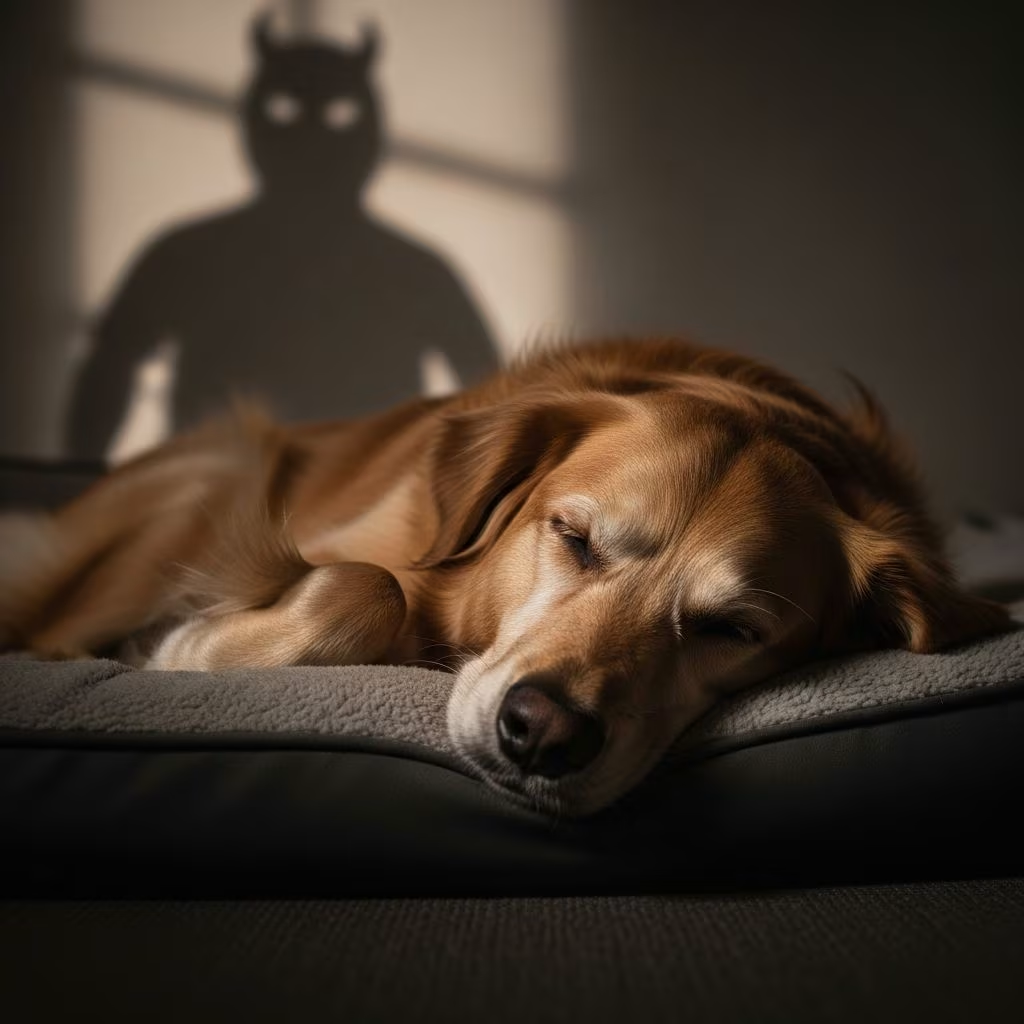
Dogs enter dream states during REM sleep, where brain patterns mirror human dreaming, raising the possibility that they too suffer from nightmares triggered by stress or trauma.
The Science of Canine Sleep Cycles
Dogs cycle through sleep stages similar to humans, including non-REM and REM phases. REM sleep, characterized by rapid eye movements, high brain activity, and temporary muscle paralysis known as REM atonia, is when vivid dreams occur. This paralysis prevents dogs from acting out dreams physically, though subtle signs like twitching paws or soft whines often emerge.
Research from the Massachusetts Institute of Technology (MIT) used EEG on sleeping dogs, revealing brain waves during REM identical to human dreaming patterns. Published in Neuroscience, the study monitored six dogs, confirming high-frequency, low-amplitude waves indicative of dream activity. Lead researcher Dr. Matthew Wilson noted this similarity strongly implies dogs dream, processing daily experiences much like people.
Evidence That Dogs Dream Like Us
Observational studies reinforce EEG findings. Puppies and seniors show more visible dream behaviors due to less effective pons function, the brainstem area enforcing REM atonia. When researchers temporarily disabled the pons in controlled experiments, dogs acted out dreams: pointers froze in pointing stances, chasers paddled legs furiously.
- Rats replay maze navigation in REM, with matching neural firing patterns.
- Dogs likely relive walks, play, or owner interactions, per Harvard psychologist Dr. Deirdre Barrett.
- Brain structure similarities between canines and humans support shared dreaming mechanisms.
Performance improves post-nap on learned tasks, with sleep spindles aiding memory consolidation, proving dreams help dogs process and retain information.
Recognizing Nightmares in Dogs
Not all dreams are pleasant; dogs can have nightmares replaying stressful events like baths or conflicts. Distressed sleep differs from playful dreaming in intensity and emotion.
| Playful Dreaming Signs | Nightmare Signs |
|---|---|
| Soft paw twitches, tail wags, relaxed breathing | Whimpering, barking, thrashing, rapid panting |
| Calm face, slow heart rate | Tense muscles, elevated heart rate, sudden jolts |
| Quick return to calm sleep | Fearful awakenings, pacing, hiding |
Traumatized dogs, such as those from accidents or combat, spend more time in REM with intense signs like heart palpitations. A University of Pisa study in Applied Animal Behaviour Science compared groups: traumatized dogs showed distress signals absent in controls.
Factors Influencing Bad Dreams
Daily stressors contribute to nightmares. High-energy dogs dream more frequently, up to 12.5% of sleep in small breeds versus 2% in giants, due to shorter cycles.
- Trauma: PTSD-like symptoms in rescue or working dogs manifest in sleep disturbances.
- Age: Puppies dream of litter play; elders revisit youth hunts.
- Environment: Noisy homes or separation anxiety amplify negative dreams.
- Health: Pain or illness disrupts sleep, fostering unrestful visions.
How to Help Your Dog Through Nightmares
Gently intervene without startling. Speak softly, stroke gently if safe, or create a soothing routine.
- Establish bedtime rituals: dim lights, calm music, familiar bedding.
- Boost daytime exercise to promote deep sleep.
- Use pheromone diffusers or anxiety wraps for comfort.
- Avoid waking abruptly; risk bites from disoriented dogs.
- Consult vets for persistent issues, ruling out seizures or pain.
For severe cases, like PTSD, behavioral therapy or meds may help, mirroring human treatments.
Common Myths About Dog Dreams
Myth 1: Only big dogs dream. Reality: All breeds dream; frequency varies by size.
Myth 2: Wake them immediately. Reality: Let natural cycles resolve unless extreme distress.
Myth 3: Dreams mean health problems. Reality: Normal unless paired with daytime symptoms.
Long-Term Benefits of Good Sleep for Dogs
Quality rest enhances learning, mood, immunity. Monitor patterns to spot issues early, strengthening your bond through attentive care.
Frequently Asked Questions
Do all dogs have nightmares?
Most do occasionally, tied to stress levels. Happy, secure dogs have fewer.
Is it safe to wake a dog from a nightmare?
Use caution; approach slowly. Better to soothe without full arousal.
How often do dogs dream?
Small breeds every 10 minutes; large every 90. Total REM: 10-20% of sleep.
Can diet affect dog dreams?
Heavy evening meals disrupt sleep; balanced nutrition promotes rest.
What if nightmares persist?
Seek vet advice for underlying anxiety, pain, or neurological concerns.
References
- In Dreams They Run: Unveiling the Mysteries of Canine Sleep — Canine Evolutions. 2023. https://www.canineevolutions.com/news/in-dreams-they-run
- Science Confirms Dogs Dream About the People They Love Most — Greater Good. 2023. https://greatergood.com/blogs/news/dogs-dream-owners
- Do Dogs Have Nightmares? — PetMD. 2024-10-15. https://www.petmd.com/dog/general-health/do-dogs-have-nightmares
- What Do Dogs Dream About? — American Kennel Club. 2023. https://www.akc.org/expert-advice/training/what-do-dogs-dream-about/
- Harvard scientists discover that dogs dream of their human owners — Pawfect Stays. 2023. https://www.pawfectstays.co.uk/health/dogs-dreams/
- Do Dogs Really Dream? — Embarkvet. 2023. https://embarkvet.com/resources/do-dogs-really-dream/
- Can Dogs Have Nightmares? — Chino Valley Animal Hospital. 2024. https://chinovalleyanimalhospital.com/blog/can-dogs-have-nightmares/



