

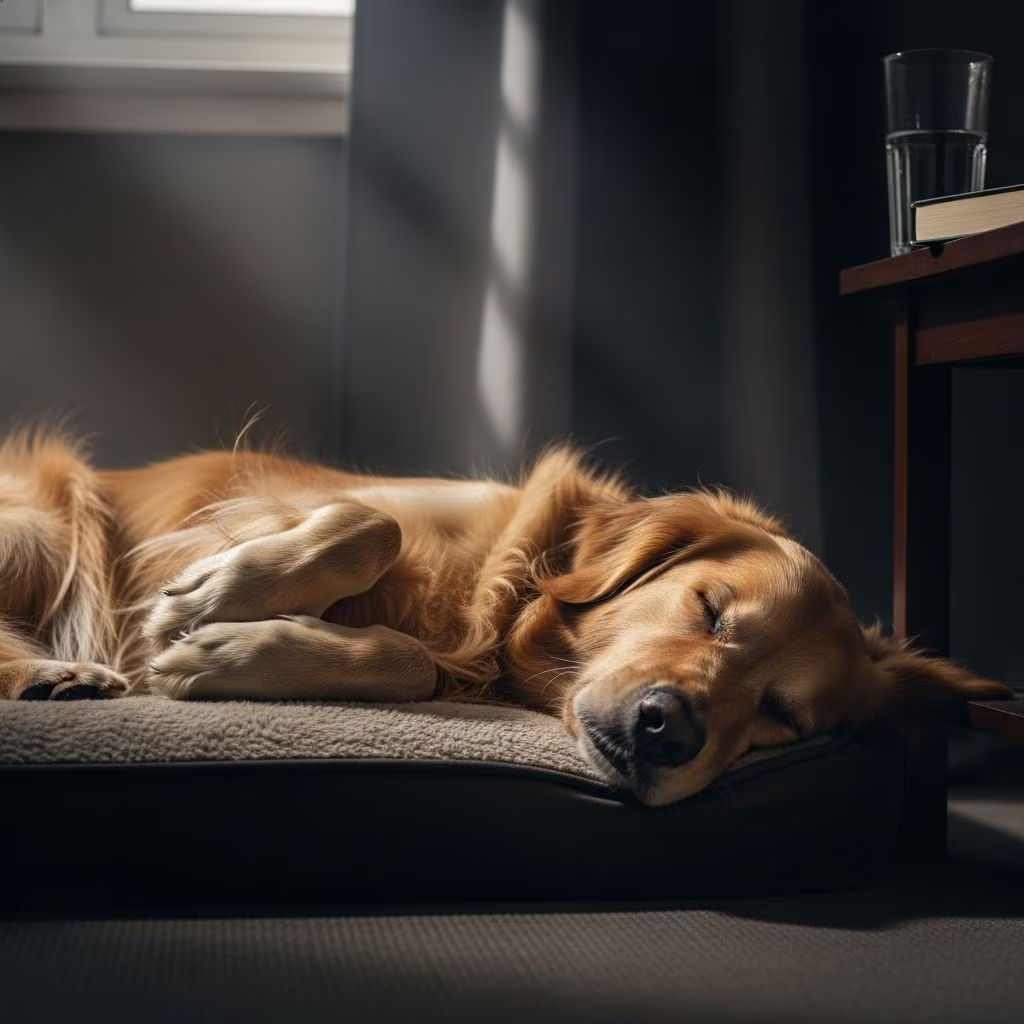
Dogs enter dream states during REM sleep, displaying brain patterns akin to humans, which can include both pleasant dreams and distressing nightmares triggered by daily experiences or past traumas.
The Science of Canine Sleep Cycles
Canine sleep mirrors human patterns, cycling through non-REM and REM phases. REM sleep, characterized by rapid eye movements, constitutes about 12-20% of a dog’s total sleep time, longer in puppies and seniors. During this stage, brain activity surges, resembling wakefulness, while a protective mechanism called REM atonia paralyzes major muscles to prevent acting out dreams.
Research from the Massachusetts Institute of Technology used EEG on dogs to capture these waves, confirming high-frequency, low-amplitude signals identical to human dreaming states. This paralysis occasionally falters, especially in young or aged dogs, allowing subtle movements like paw twitches or tail wags.
Evidence from Brain Studies
Pioneering experiments on rats at MIT revealed neural replays of maze navigation during REM, suggesting mammals process daily events in sleep. Extending this to dogs, disabling the pons—the brainstem area enforcing atonia—revealed dogs ‘acting out’ pursuits like chasing or playing, indicating dreams reflect waking life.
Harvard psychologist Dr. Deirdre Barrett notes dogs likely dream of emotionally significant elements, such as their owners’ faces, scents, or interactions, given their strong attachments. The American Kennel Club supports this, observing that observable behaviors like muffled barks or leg paddling align with dream content from routine activities.
Signs Your Dog Is Dreaming
- Twitching limbs: Paws flex as if running, a hallmark of REM activity.
- Vocalizations: Soft whines, growls, or yips, rarely full barks due to atonia.
- Rapid eye movement: Eyes dart under closed lids.
- Breathing changes: Irregular patterns or quickened breaths.
- Tail or ear flicks: Minor adjustments signaling mental activity.
These signs peak 20-30 minutes into sleep, aligning with REM onset. Puppies exhibit more vivid displays due to immature pons function.
Distinguishing Dreams from Nightmares
Not all REM episodes are serene. Nightmares manifest as intensified distress signals: violent thrashing, high-pitched yelps, sweating (visible damp paws or ears), or sudden awakenings with confusion. Veterinary neurologists classify severe cases as REM sleep behavior disorder (RBD), distinct from seizures by post-episode normalcy.
| Feature | Dream | Nightmare/RBD |
|---|---|---|
| Movements | Gentle twitches, paddling | Violent kicking, rigid posture |
| Sounds | Soft whines, happy pants | Screams, growls, cries |
| Duration | Brief, cyclical | Prolonged, intense |
| Post-sleep | Relaxed resumption | Disorientation, panting |
Causes Behind Canine Nightmares
Dog nightmares often replay stressors. Daily annoyances like baths or vet visits appear in dreams, per Harvard insights. More profoundly, trauma induces lasting effects. Italian researchers at the University of Pisa found dogs post-accident or attack spend extended REM time with amplified distress signs—rapid heart rates, whimpers—mirroring human PTSD sleep disruptions.
RBD causes vary: idiopathic in puppies, neurological in adults (e.g., infections breaching blood-brain barrier, brain lesions). Older dogs merit vet exams for sudden onset, ruling out tumors or inflammation.
Factors Influencing Nightmare Frequency
- Age: Puppies and seniors lack robust atonia, increasing vivid episodes.
- Breed: Pointers or herders may ‘dream hunt’ more actively.
- Activity level: High-energy days yield richer dream replays.
- Environment: Stressful homes correlate with disturbed sleep.
- Health: Pain or illness amplifies negative dream content.
How to Comfort a Dog Having a Nightmare
Gently intervene without startling. Speak softly in a familiar tone, avoiding touches that could provoke bites from disoriented pets. Create a safe sleep space: crate with blankets mimicking dens, away from noise. Pre-bed routines—calm walks, massages—reduce stress buildup.
For frequent nightmares, consult vets. Mild cases improve with environmental tweaks; severe RBD may need meds like clonazepam or bromide, per veterinary protocols. Never wake abruptly; instead, lure with familiar sounds.
Improving Overall Sleep Quality
Enhance rest to minimize nightmares:
- Consistent schedule: 12-14 hours daily, mostly nights.
- Exercise: Afternoon activity prevents overstimulation.
- Diet: Avoid late meals causing discomfort.
- Comfort: Orthopedic beds support joints.
- Monitor: Track patterns in a sleep journal for vet insights.
REM Sleep Disorders in Depth
RBD differs from human cases, striking young dogs versus elderly people. Causes include genetics, toxins, or trauma. Diagnosis involves video EEG, distinguishing from epilepsy. Treatment tiers: environmental first, then pharmacology. Prognosis excels with early intervention.
Common Myths About Dog Dreams
- Myth: All twitches are seizures. Reality: Most are benign REM.
- Myth: Dogs dream only of chasing. Reality: Content spans social bonds.
- Myth: Waking cures nightmares. Reality: Risks injury; soothe passively.
Frequently Asked Questions
Can all dogs have nightmares?
Yes, any dog in REM can, though puppies and traumatized ones are prone.
Should I wake my dog from a nightmare?
Avoid direct disturbance; use voice to ease transition.
How often do dogs dream?
Multiple REM cycles nightly, more in smaller breeds.
Do certain breeds nightmare more?
Active breeds show more signs, but all experience dreams.
Is dog RBD curable?
Manageable with vets; many outgrow puppy phases.
Long-Term Monitoring and Prevention
Video nighttime behaviors to spot trends. Annual checkups catch underlying issues. Enrich days with positive stimuli to populate dreams favorably. Understanding canine sleep fosters empathy, strengthening bonds.
References
- In Dreams They Run: Unveiling the Mysteries of Canine Sleep — Canine Evolutions. 2023. https://www.canineevolutions.com/news/in-dreams-they-run
- What Do Dogs Dream About? — American Kennel Club (AKC). 2023-10-15. https://www.akc.org/expert-advice/training/what-do-dogs-dream-about/
- Understanding Dog Nightmares: Causes, Signs, and How to Help — Petful. 2024. https://www.petful.com/pet-health/dog-nightmares/
- Science Confirms Dogs Dream About the People They Love Most — Greater Good. 2023. https://greatergood.com/blogs/news/dogs-dream-owners
- Can Dogs Have Dreams and Nightmares? — Purina US. 2024-01-20. https://www.purina.com/articles/dog/behavior/understanding-dogs/do-dogs-dream



