

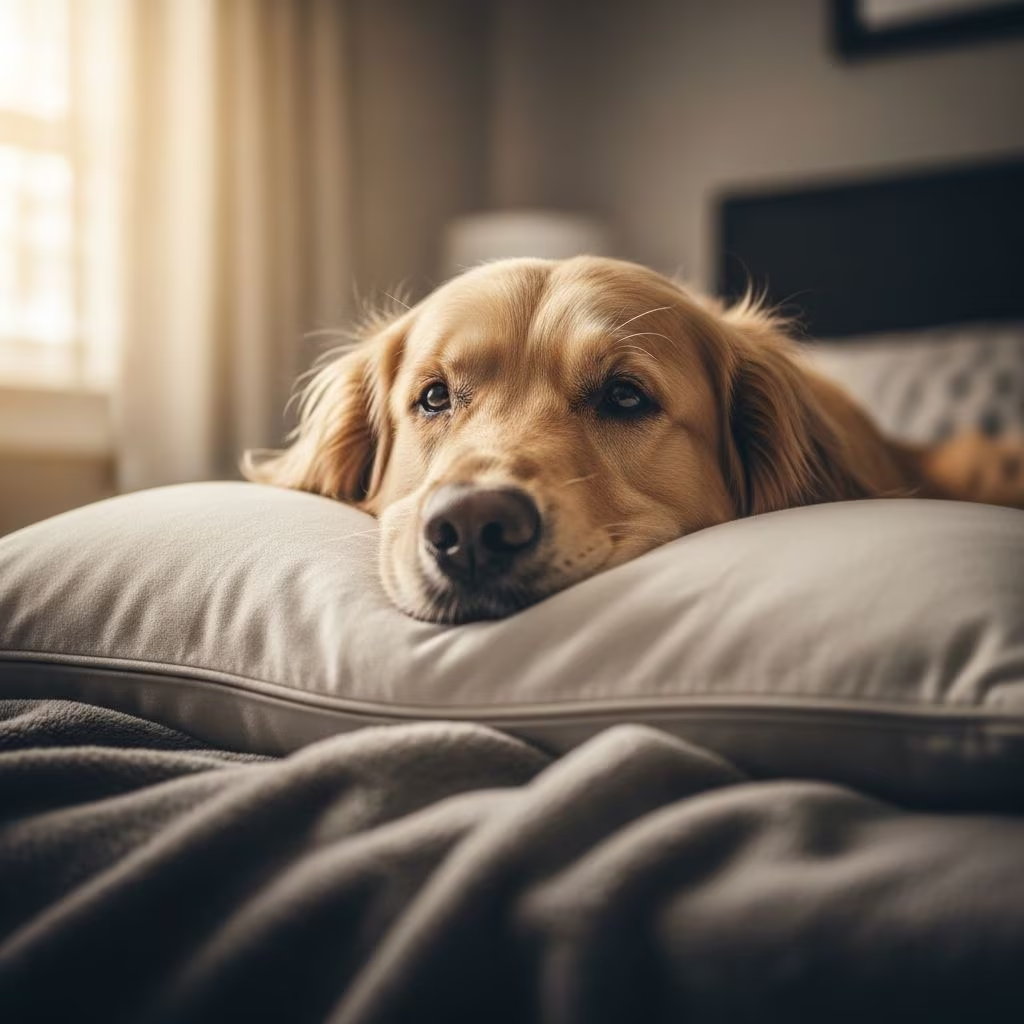
Dogs frequently show a strong preference for pillows, drawn to their plush texture, warmth, and the comforting scents they hold. While not a biological necessity like for humans, pillows fulfill instinctive needs for security and ease, particularly among older dogs or those with joint concerns.
The Instinctive Appeal of Soft Surfaces for Canines
Canines naturally gravitate toward elevated, padded spots that offer a sense of enclosure, reminiscent of den-like environments from their wild ancestry. This behavior isn’t random; it stems from a desire for physical relief and emotional reassurance. Observations indicate that dogs often paw at or circle pillows before settling, a ritual that helps them feel secure before sleep.
Soft materials distribute weight evenly, reducing strain on pressure points such as elbows and hips. For active breeds or seniors, this subtle support can make a noticeable difference in daily recovery. Temperature plays a role too—pillows insulate during cooler nights while allowing airflow in warmer conditions, helping dogs maintain optimal body heat.
Emotional Bonds Formed Through Familiar Scents
A primary reason dogs claim pillows is the lingering human scent, which activates calming responses in their olfactory-driven brains. Research on canine olfaction reveals that an owner’s odor triggers stronger neural activity than neutral smells, promoting relaxation akin to pack proximity.
This attachment intensifies during absences, serving as a proxy for companionship. Dogs may drag pillows to crates or favorite corners, reinforcing territorial comfort and easing separation distress. Such habits underscore dogs’ social nature, where personal items bridge emotional gaps.
Physical Advantages for Different Life Stages
Across ages and breeds, pillows address specific needs. Puppies explore them for playful nesting, while adults use them for elevated lounging that aids breathing and digestion. Here’s a breakdown:
- Puppies: Soft bolsters encourage secure curling, mimicking litter huddles for warmth and safety.
- Adults: Provide head elevation to prevent airway collapse in brachycephalic breeds like Bulldogs.
- Seniors: Alleviate arthritis by cushioning joints, with orthopedic fills offering targeted firmness.
Large breeds such as Labradors benefit from durable pillows that withstand digging, while small ones like Chihuahuas appreciate the added height for better oversight of surroundings.
Observing Behavioral Cues of Pillow Preference
Watch for signs your dog favors pillows: repeated selection over flat beds, contented sighing upon settling, or protective guarding. These indicate satisfaction beyond mere novelty. Conversely, avoidance might signal unsuitable firmness or fabrics irritating skin.
Dogs mimicking human routines—resting heads neatly aligned—demonstrate observational learning, strengthening owner-pet bonds through shared comfort practices.
Health Benefits Backed by Canine Physiology
Pillows contribute to better sleep architecture in dogs, promoting deeper REM cycles essential for memory and mood regulation. Elevated positioning can minimize gastric reflux risks and support spinal alignment during extended rests.
| Benefit | Affected Dogs | Mechanism |
|---|---|---|
| Joint Relief | Seniors, Arthritic | Cushions pressure points, reduces inflammation |
| Anxiety Reduction | Rescue, Separation-Prone | Scent-triggered calming hormones |
| Thermoregulation | All Breeds | Insulates or ventilates as needed |
| Posture Support | Large, Flat-Faced | Elevates head for easier breathing |
These advantages align with veterinary insights on ergonomic resting for longevity.
Choosing the Right Pillow for Your Dog
Opt for pet-specific designs with removable, machine-washable covers to combat shedding and odors. Memory foam cores provide lasting shape, ideal for heavy chewers, while cotton fills suit lightweight needs. Size matters—match to your dog’s frame for full coverage without slippage.
Breathable, hypoallergenic materials prevent allergies, and non-toxic certifications ensure safety if ingested. Test firmness by pressing; it should yield under paw but rebound steadily.
Potential Drawbacks and Safety Measures
Not all pillows suit every dog. Loose fills pose choking hazards for aggressive chewers, and synthetic fabrics may trap heat excessively. Introduce gradually to avoid territorial conflicts with human bedding.
- Supervise initial use to monitor reactions.
- Secure edges to prevent bunching.
- Clean weekly to deter mites and bacteria.
For multi-pet homes, designate personal pillows to minimize squabbles.
Enhancing Sleep Environments Holistically
Pair pillows with quiet, dimly lit zones away from high-traffic areas. Consistent routines—pre-bed walks and calm cues—amplify relaxation. Cooling mats complement summer setups, while heated pads aid winter joint comfort.
Monitor sleep patterns; prolonged restlessness warrants vet checks for underlying issues like pain or thyroid imbalances.
Common Myths About Dogs and Pillows
Myth 1: All dogs need pillows for health. Reality: Healthy floor-sleepers thrive; pillows enhance, not sustain, well-being.
Myth 2: Stealing pillows signals dominance. Reality: It’s typically affection or comfort-seeking, not hierarchy assertion.
Myth 3: Pillows spoil dogs. Reality: Moderate indulgence supports mental health without dependency.
Frequently Asked Questions
Is it safe for my dog to use human pillows?
Occasionally fine, but risks include feather allergies and dirt ingestion. Pet versions are sturdier and sanitized.
Why does my dog bury its head in pillows?
This burrowing instinct creates a private, warm nook, heightening security.
Can pillows help with my dog’s arthritis?
Yes, by elevating joints and distributing weight, easing chronic discomfort.
Do puppies need pillows?
Not essential, but soft supports aid development and weaning transitions.
How often should I replace a dog pillow?
Every 1-2 years or sooner if flattened/lumpy, ensuring ongoing support.
Real-Life Stories from Dog Owners
Owners report transformations: a senior Shepherd regained mobility with a contoured pillow, while an anxious Terrier ceased destructive chewing post-pillow introduction. These anecdotes highlight pillows’ role in holistic care.
In summary, pillows enrich canine lives through comfort and connection, tailored to individual quirks. Observe your dog’s cues and invest thoughtfully for mutual bliss.
References
- Do Dogs Like Pillows: Official Pet Comfort Insights — Puffy Mattress. 2023. https://puffy.com/blogs/best-sleep/do-dogs-like-pillows
- Do Dogs Like Pillows? Preferences & Benefits — Dogster. 2023. https://www.dogster.com/lifestyle/do-dogs-like-pillows
- Do Dogs Need Pillows to Sleep? A Guide to Canine Comfort — Hot Diggidy Dog. 2023. https://hotdiggidydog.ca/blogs/news/do-dogs-need-pillows-to-sleep-a-guide-to-canine-comfort-and-better-rest
- Why Does Your Dog Sleep on Your Pillow? Top 5 Reasons — Eryn Home. 2023. https://www.erynhome.com/blogs/blog/why-does-your-dog-sleep-on-your-pillow-top-5-reasons-you-dog-sleep-on-your-pillow
- Why Do Dogs Sit On Pillows — WagWalking. 2023. https://wagwalking.com/behavior/why-do-dogs-sit-on-pillow



