Do Dogs Enjoy Outdoor Time? Key Tips For Fun And Safe Play
Explore whether dogs truly love being outside, balancing their natural instincts with health, safety, and emotional needs for optimal wellbeing.
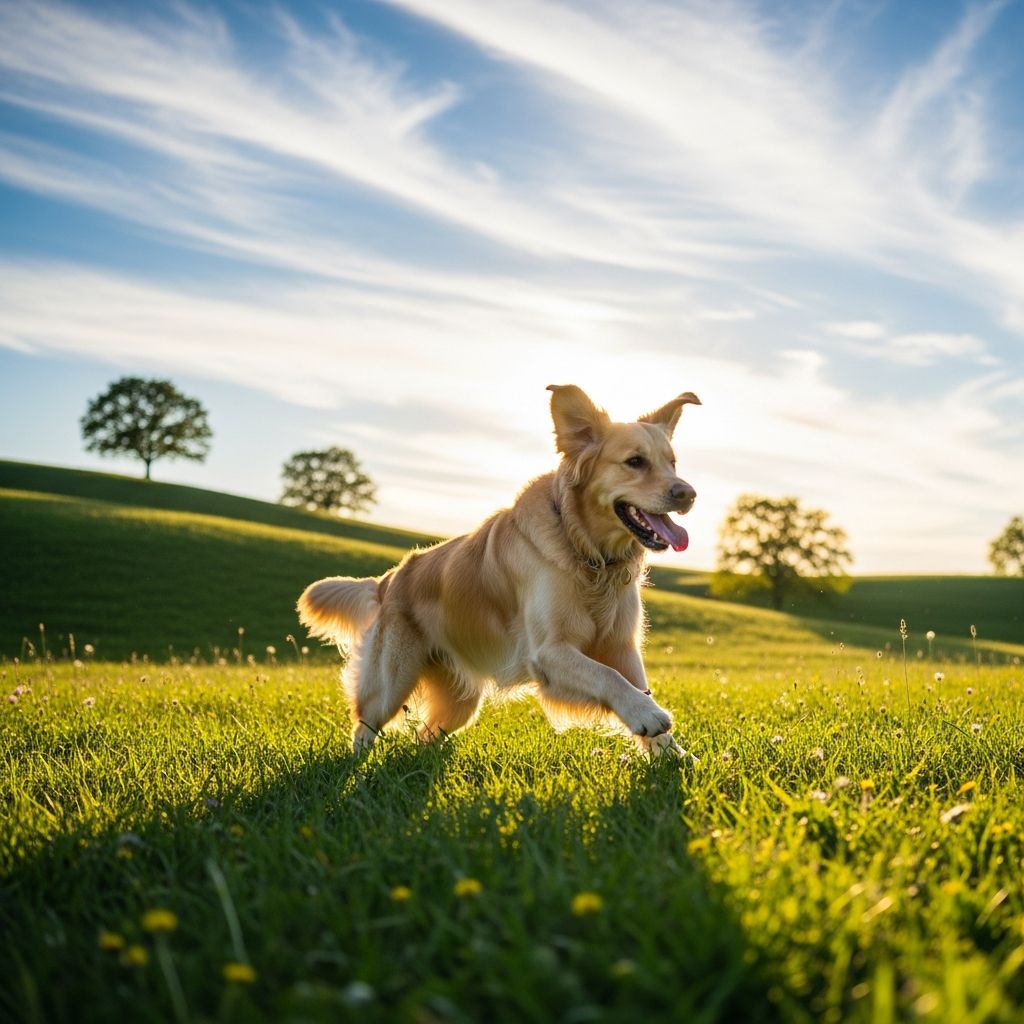
Do Dogs Enjoy Outdoor Time?
Dogs generally relish outdoor time due to their innate curiosity and sensory-driven nature, but enjoyment varies by breed, health, weather, and supervision levels. While fresh air and exploration stimulate their minds and bodies, prolonged isolation outdoors can lead to stress and behavioral issues.
The Instinctive Pull Toward the Great Outdoors
Canines evolved as pack animals with strong ties to natural environments, where hunting, patrolling territories, and social interactions shaped their behaviors. Modern dogs retain these traits, often displaying excitement through tail wags, alert ears, and eager sniffing during outdoor excursions. Neurologically, outdoor exposure triggers dopamine release in reward centers, fostering joy and reducing stress similar to play activities.
However, not all dogs share equal enthusiasm. Working breeds like Border Collies or Huskies thrive on expansive outdoor stimulation, while brachycephalic breeds such as Bulldogs may tire quickly in heat due to breathing difficulties. Individual temperament also plays a role: shy dogs might prefer brief, controlled outings over extended exposure.
Health Benefits of Fresh Air and Movement
Regular outdoor access supports physical fitness by promoting cardiovascular health, muscle toning, and weight management. Sunlight aids vitamin D synthesis, bolstering immune function. Mentally, novel scents and sights prevent boredom, enhancing cognitive sharpness.
- Physical gains: Improved joint mobility and reduced obesity risk through natural exercise.
- Mental boosts: Enhanced problem-solving via environmental puzzles like navigating obstacles.
- Emotional perks: Stronger owner-pet bonds from shared adventures.
Yet, balance is crucial. Overexertion risks heatstroke or hypothermia, especially in extremes. Senior dogs or those with arthritis benefit from short, gentle sessions on soft terrain.
Leash vs. Off-Leash: Impacts on Canine Experience
Leashes provide safety but alter dog interactions significantly. Studies show leashed dogs engage less in sniffing and social play, appearing more tense around off-leash peers. This stems from restricted flight responses; unable to retreat freely, they may react defensively.
| Aspect | On-Leash | Off-Leash |
|---|---|---|
| Interaction Frequency | Lower with dogs/people; more ground sniffing | Higher social/play; freer exploration |
| Stress Levels | Increased frustration/anxiety | Reduced, more control/autonomy |
| Safety | High control, low escape risk | Requires training/reliable recall |
Off-leash freedom in safe areas like fenced yards boosts confidence and happiness, mimicking wild pack dynamics. Owners should prioritize voice control and positive reinforcement for safe unleashing.
Risks of Extended Outdoor Confinement
While brief outdoor play delights, constant backyard isolation harms. Dogs are social pack members craving human interaction; solo outdoor time spikes cortisol, leading to anxiety-driven issues like excessive barking, digging, or escape attempts. Neglect signals include hyperactivity or withdrawal.
Environmental hazards compound problems: parasites, predators, and weather extremes threaten welfare. Indoor-outdoor balance with interactive play yields better outcomes than unchecked outdoor living.
Breed-Specific Outdoor Preferences
Different lineages exhibit tailored outdoor affinities rooted in historical roles.
- Herding breeds (e.g., Australian Shepherds): Excel in open spaces for running and mental challenges.
- Hounds (e.g., Beagles): Scent-driven, love trails for olfactory hunts.
- Toy breeds (e.g., Chihuahuas): Prefer mild, short outings; sensitive to elements.
- Northern breeds (e.g., Malamutes): Thrive in cold, snowy conditions.
Assess your dog’s stamina and sensitivities via trial outings, adjusting duration and intensity accordingly.
Optimizing Outdoor Sessions for Maximum Joy
To maximize pleasure, structure outings purposefully. Combine walks with play like fetch or tug-of-war, activating full behavioral repertoires beyond mere strolling. Rotate locations for novelty, preventing habituation.
Safety protocols include vaccination checks, tick preventives, and hydration stations. Monitor for fatigue cues: heavy panting, lagging, or lip-licking signals time to head home.
Indoor Alternatives for Outdoor Lovers
Bad weather or urban constraints don’t doom indoor dogs to misery. Enrich interiors with puzzle feeders, scent games, and agility setups. Window perches offer vicarious outdoor views, while treadmill walks simulate motion.
These substitutes maintain stimulation without exposure risks, ideal for apartment dwellers or health-compromised pups.
Common Myths About Dogs and the Outdoors
- Myth: All dogs are outdoor animals. Reality: Most prefer family proximity over isolation.
- Myth: Walks suffice for all needs. Reality: They lack play’s cognitive depth.
- Myth: Leashes always cause aggression. Reality: They heighten tension variably by context.
Frequently Asked Questions
How much outdoor time does my dog need daily?
Aim for 30-120 minutes based on age, breed, and energy. Puppies and actives require more; observe for contentment.
Is it okay to leave my dog outside all day?
No—prolonged isolation fosters stress and problems. Provide supervised access with indoor companionship.
What if my dog hates going outside?
Rule out medical issues; use positive associations like treats. Gradual desensitization helps fearful cases.
Off-leash safe in public parks?
Only with solid recall training and legal permission. Prioritize enclosed dog parks.
Do invisible fences work for outdoor freedom?
They offer controlled access, reducing anxiety via clear boundaries, but require proper training to avoid fear responses.
Creating the Perfect Outdoor Routine
Blend science-backed strategies: dawn patrols for cool air, midday play bursts, evening sniffari walks. Track via apps for patterns, tweaking for peak happiness. Consult vets for personalized plans, ensuring outdoors enhances—not replaces—your bond.
Ultimately, attuned owners craft routines where dogs flourish, leveraging nature’s gifts judiciously.
References
- Dog behaviour on walks and the effect of use of the leash — PMC/NCBI. 2020-03-18. https://pmc.ncbi.nlm.nih.gov/articles/PMC7132425/
- The Psychology of Play: Why Your Dog Needs More Than Just a Walk — Sea Paws Dog Resort. 2023-01-01. https://seapawsdogresort.com/the-psychology-of-play-why-your-dog-needs-more-than-just-a-walk/
- Backyard Dog, Outdoor Dog: Facts, Guidance and Solutions — Friends for Life Animal Rescue (AZ Friends). 2015-01-01. https://azfriends.org/wp-content/uploads/05-Backyard-Dogs-Facts-Guidance-and-Solutions-1.pdf
- Why Dogs Belong Off-Leash: It’s Win-Win for All — Psychology Today. 2016-05-01. https://www.psychologytoday.com/us/blog/animal-emotions/201605/why-dogs-belong-off-leash-its-win-win-for-all
- Dog Parks, Dominance, and Deep Dives into Dog Behavior with Dr. Marc Bekoff — YouTube (transcript). 2023-01-01. https://www.youtube.com/watch?v=hQiUFkcqVeY
Similar Articles







Read full bio of medha deb