

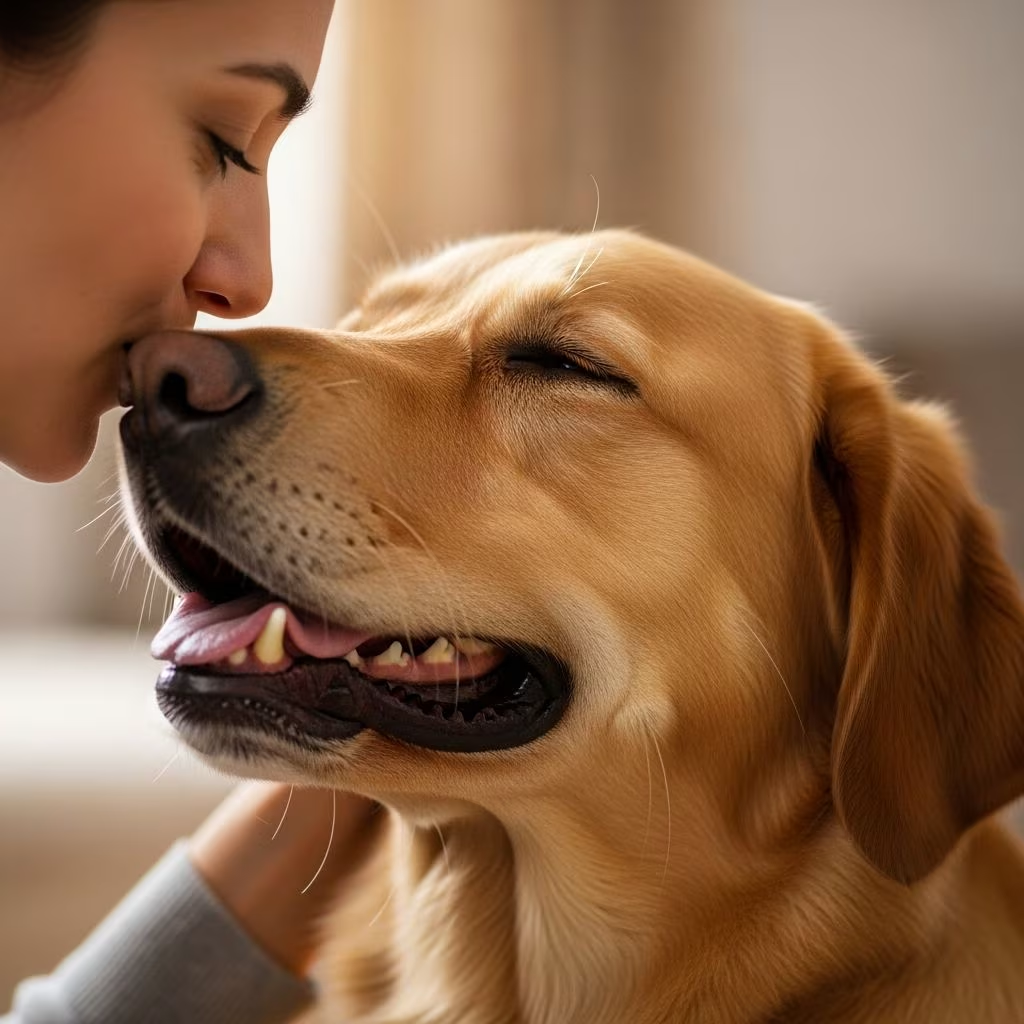
Human kisses represent a profound expression of love and closeness, but for dogs, this gesture may carry different meanings. While many pet owners shower their companions with pecks on the nose or forehead, the question remains: do dogs genuinely feel joy from these actions, or do they simply endure them? Scientific studies reveal that dogs process human affection through unique lenses, often associating it with positive rewards rather than romantic intent. This article delves into canine perceptions, body signals, research findings, and practical advice for fostering mutual comfort.
Deciphering Canine Responses to Affection
Dogs communicate primarily through body language, scents, and subtle cues rather than verbal or facial expressions like humans. When you lean in for a kiss, your dog might interpret it as social grooming, a greeting, or even an invitation to play. Research using advanced brain imaging shows that dogs’ neural responses to human touch and praise rival or exceed their reactions to food, indicating a deep-seated appreciation for interaction with owners.
Individual personalities play a crucial role. Energetic breeds like Labradors may lean in eagerly, while more reserved types such as Dachshunds might pull away. Observing your dog’s reactions helps tailor affection to their preferences, ensuring interactions remain positive and stress-free.
Key Body Language Indicators of Comfort
To gauge if your dog welcomes kisses, pay close attention to these nonverbal signals. Positive responses suggest enjoyment, while avoidance cues warrant a pause.
- Relaxed Posture: Loose muscles, soft eyes, and a slightly open mouth signal contentment.
- Tail Wagging: A broad, sweeping wag from the base indicates happiness; a stiff or tucked tail means unease.
- Leaning or Nudging: Pressing against you or seeking more contact shows they crave the attention.
- Playful Behaviors: Jumping lightly, tilting the head, or offering licks in return denote engagement.
On the flip side, discomfort manifests clearly:
- Tension: Stiff body, flattened ears, or lip licking as stress appeasement.
- Avoidance: Turning head, backing away, or yawning excessively.
- Aggression Warnings: Growling, baring teeth, or freezing in place demand immediate space.
These signs align with behavioral studies emphasizing context; an excited “wiggly” approach amplifies positive licks or tolerance.
The Neuroscience of Dog-Human Bonds
Modern technology like fMRI scans has revolutionized our understanding of canine emotions. At Emory University, researchers imaged dogs’ brains during interactions with owners, finding activation in reward centers comparable to—or surpassing—food stimuli. This suggests kisses and praise trigger profound satisfaction, underscoring dogs’ loyalty and attachment.
Oxytocin, the “bonding hormone,” further bridges species. Positive interactions release it in both dogs and humans, mimicking parent-child connections. Even if kisses aren’t instinctively comprehended, repeated positive associations condition dogs to link them with safety and joy.
| Stimulus | Brain Response Level | Implication for Affection |
|---|---|---|
| Food | High | Basic reward |
| Praise/Touch | Equal or Higher | Emotional bonding |
| Scolding | Low/Negative | Avoidance trigger |
This table summarizes key fMRI findings, highlighting why affectionate gestures like kisses can be as motivating as meals.
Why Dogs Lick: Their Version of Kisses
Dogs reciprocate affection through licking, a behavior rooted in pack dynamics. Pups lick mothers for food and comfort; adults use it for greetings and grooming. Licking humans expresses joy, devotion, or even appeasement, releasing endorphins for the dog—making it inherently rewarding.
Salt on human skin adds appeal, especially post-exercise. However, excessive licking might seek attention or signal anxiety. Encouraging mutual respect means responding calmly without over-reinforcing unwanted licks.
Factors Influencing a Dog’s Reaction to Kisses
Breed and Temperament Variations
Breeds bred for companionship, like Golden Retrievers, often embrace physical closeness. Working breeds may prioritize tasks over cuddles. Age matters too: puppies adapt quickly through exposure, while seniors might prefer gentler interactions.
Early Socialization’s Impact
Puppies exposed to diverse touches during critical developmental windows (3-12 weeks) grow into confident adults comfortable with kisses. Lack thereof can lead to sensitivity; gradual desensitization helps.
Health and Past Experiences
Pain, illness, or trauma history amplifies wariness. Consult vets for underlying issues mimicking discomfort.
Real-Life Examples of Kiss Dynamics
Consider Bella, a Labrador whose enthusiastic leans and return licks showed clear delight in her owner’s kisses. Switching to pets resolved issues for Max, a Dachshund who initially recoiled, proving personalization key.
These anecdotes reflect broader patterns: conditioned positives build tolerance, while forcing ignores innate needs.
Health Benefits of Affectionate Exchanges
Beyond emotions, dog-human contact boosts immunity. Dog saliva introduces beneficial microbes, acting as probiotics for children and adults alike. Mutual grooming strengthens immunity and reduces stress hormones.
Alternatives to Kisses for Deeper Connections
If kisses unsettle your dog, try these:
- Chest or shoulder pets—safer zones.
- Play sessions with toys.
- Verbal praise in a happy tone.
- Eye contact with blinks for trust.
Training reinforces bonds: reward calm responses to approaches, gradually introducing tolerated touches.
Common Myths About Dogs and Kisses
- Myth: All dogs love kisses equally. Fact: Preferences vary widely.
- Myth: Licking always means love. Fact: Context includes grooming or anxiety.
- Myth: Dogs understand kisses innately. Fact: Learning through association required.
Frequently Asked Questions (FAQs)
Can all dogs learn to like kisses?
Most can with patient conditioning, but respect inherent boundaries.
What if my dog growls at kisses?
Stop immediately; seek professional trainer help to rebuild trust.
Is dog saliva safe after kisses?
Generally harmless for healthy people, but immunocompromised individuals should caution.
How young to start kiss exposure?
From puppyhood, always positively.
Do puppies enjoy kisses more?
Yes, their pliability aids quick adaptation.
Building a Lasting Bond
Ultimately, whether dogs “feel happy” from kisses hinges on interpretation and response. Science affirms their capacity for profound human attachment, activated by touch and voice. Prioritize observation, consent-like respect, and diverse affection methods. This approach not only answers the kiss conundrum but elevates your companionship to new heights of understanding and joy.
References
- Can Dogs Understand Human Kisses? — WagWalking. 2023. https://wagwalking.com/sense/can-dogs-understand-human-kisses
- Popular Science taps Transylvania professor to answer riddle of dog kisses — Transylvania University. 2024-12. https://www.transy.edu/1780/2024/12/popular-science-taps-transylvania-professor-to-answer-riddle-of-dog-kisses/
- Do Dogs Like Being Kissed? Understanding Canine Affection — Houndsy. 2024. https://www.houndsy.com/blogs/modern-tails/do-dogs-like-being-kissed-understanding-canine-affection
- Why Do Dogs Give Kisses? Should You Let Them? — NutriSource Pet Foods. 2024. https://nutrisourcepetfoods.com/blog/pet-parents/why-do-dogs-give-kisses-should-you-let-them/
- A Doggie Kiss A Day Keeps the Doctor Away — Alpha Grooming Pet Salon. 2023. https://www.alphagroomingpetsalon.com/blog/a-doggie-kiss-a-day-keeps-the-doctor-away/



