

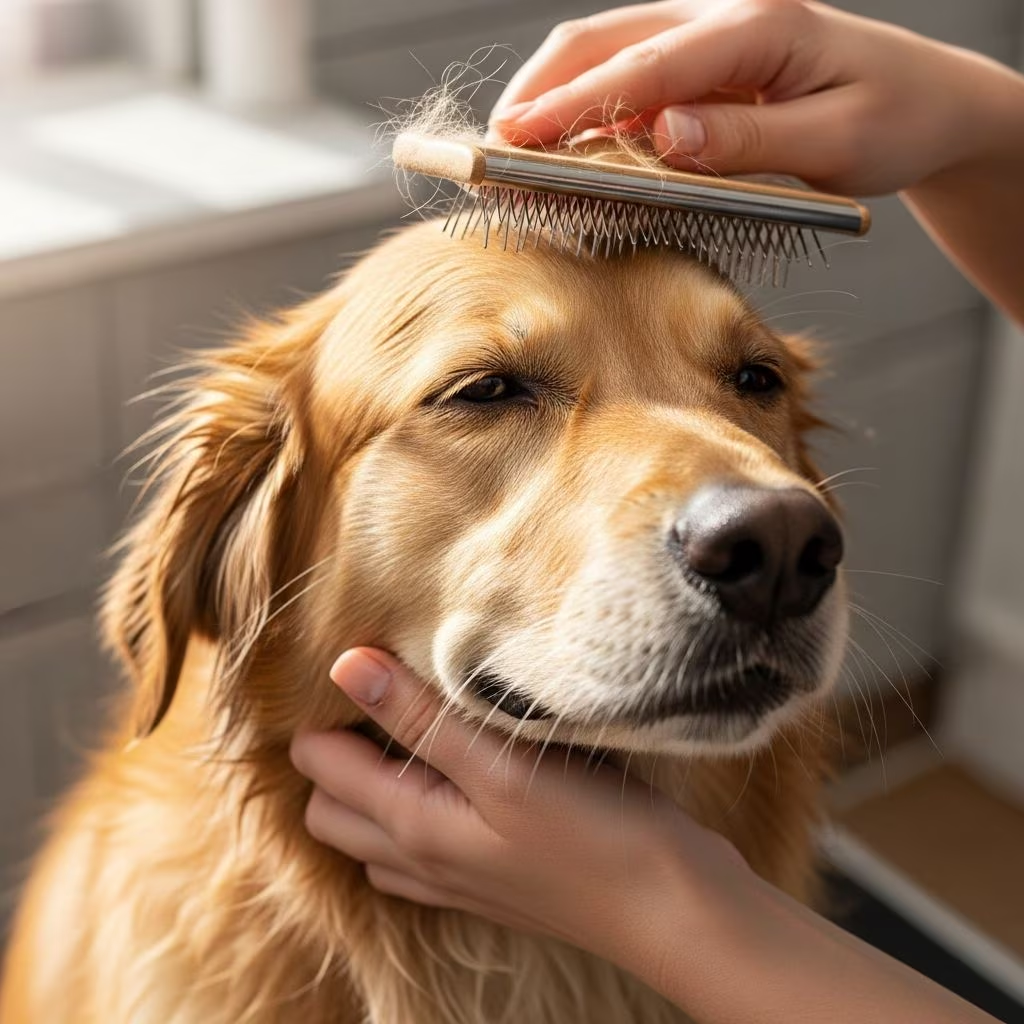
Many dog owners wonder if their pets actually like grooming or merely tolerate it. While individual preferences vary based on breed, past experiences, and personality, most dogs can learn to enjoy grooming when introduced positively, as it provides comfort, stimulation, and bonding opportunities that enhance their quality of life.
Understanding Canine Perspectives on Grooming
Dogs experience grooming through their senses of touch, smell, and sound, which can evoke relaxation or discomfort depending on the approach. Gentle handling during brushing or bathing often mimics pack grooming behaviors in wild canines, fostering a sense of security. Regular sessions help dogs associate the process with positive outcomes like relief from itches or a fresh feeling, leading many to wag tails or settle calmly.
For some dogs, especially those with sensitive skin or negative histories, initial resistance is common. However, consistent, reward-based routines transform grooming into an anticipated event, improving their emotional state and physical comfort.
Physical Health Advantages That Promote Enjoyment
Grooming extends far beyond aesthetics, directly impacting a dog’s physical well-being, which in turn makes the experience more pleasant. Clean coats prevent matting that pulls on skin, causing pain, while trimmed nails reduce joint strain from improper gait.
- Coat and Skin Maintenance: Brushing removes dead hair and distributes natural oils, preventing hot spots and infections that irritate dogs.
- Nail Trimming: Overgrown nails force unnatural postures, leading to arthritis; regular cuts allow comfortable movement.
- Ear and Dental Care: Cleaning prevents buildup that causes painful infections, keeping dogs itch-free and happy.
These benefits create a cycle where physical ease encourages dogs to relax during future sessions, building positive associations.
Boosting Mental and Emotional Wellness Through Grooming
Grooming profoundly affects a dog’s psyche, often turning skeptics into enthusiasts. The tactile stimulation from massages and brushes releases endorphins, natural mood elevators that reduce stress hormones.
| Aspect | Mental Benefit | How Grooming Helps |
|---|---|---|
| Stress Reduction | Lower anxiety levels | Gentle routines provide predictability and calm. |
| Confidence Building | Increased sociability | Comfortable feel encourages interactions. |
| Bonding | Stronger trust | Handling fosters security with owners. |
Dogs prone to separation anxiety benefit from the structured routine, which reassures them of return to their safe environment post-session. Sensory inputs like warm water or brush strokes act as mental engagement, warding off boredom in active breeds.
Signs Your Dog Likes or Dislikes Grooming
Observing body language reveals a dog’s true feelings. Positive indicators include relaxed muscles, soft eyes, tail wags, and leaning into touch, signaling enjoyment.
- Relaxed posture and yawning (release of tension)
- Seeking more contact, like nudging for pets
- Calm breathing during tools like clippers
Conversely, stress signals demand adjustments: lip licking, whale eye (whites showing), trembling, or avoidance. These suggest pain, fear, or overstimulation, prompting gentler methods or professional help.
How Breed and Age Influence Grooming Preferences
Different breeds have coat types dictating grooming needs, affecting enjoyment. Long-haired varieties like Afghan Hounds require frequent detangling to avoid discomfort, while short-coated breeds like Labradors focus on baths for oil balance.
Puppies adapt easily if socialized early, viewing grooming as play. Seniors, facing mobility issues or cognitive decline, gain comfort from gentle sessions that alleviate arthritis pain and provide routine. Tailor frequency: every 4-6 weeks for most, more for heavy shedders.
Practical Strategies to Make Grooming a Positive Experience
Transform grooming into a joy by starting slow with high-value treats. Begin with short, fun sessions focusing on one area, gradually increasing duration.
- Desensitize tools: Let dogs sniff and hear clippers off, rewarding curiosity.
- Use positive reinforcement: Treats, praise, or toys post-step.
- Choose calm environments: Quiet rooms minimize distractions.
- Opt for professionals: Experienced groomers use anxiety-reducing techniques.
At-home grooming builds bonds; invest in soft brushes and non-slip mats for safety. For anxious dogs, pheromone sprays or calming music enhance relaxation.
Overcoming Common Grooming Challenges
Wiggly or fearful dogs challenge owners, but patience prevails. Break tasks into micro-sessions: touch paws for seconds, building to full trims.
- Fear of Water: Use lukewarm baths with toys; dry shampoos as alternatives.
- Nail Aversion: Grind slowly, rewarding heavily; consult vets for Dremel tools.
- Clipper Noise: Habituate with low-volume play sessions.
If issues persist, veterinary behaviorists can rule out pain sources like ear infections mimicking dislike.
The Long-Term Rewards of Consistent Grooming
Owners committing to routines report calmer, more affectionate dogs. Beyond health, grooming detects issues early, like lumps or parasites, ensuring prompt care.
Well-groomed dogs exhibit playful energy, better sleep, and eager park visits, reflecting holistic wellness. This investment yields a companion who thrives physically and emotionally.
Frequently Asked Questions
How often should I groom my dog?
Depends on breed: weekly brushing for long coats, monthly full grooms for shorts. Nails every 3-4 weeks.
Can grooming help anxious dogs?
Yes, routines reduce stress via endorphin release and predictability.
What if my dog hates grooming?
Start slow with positives; seek pros if needed.
Is professional grooming worth it?
Absolutely for safety and expertise, especially tricky tasks.
Does grooming improve behavior?
Often, by boosting comfort and confidence.
References
- The Hidden Health Benefits of Dog Grooming — Fox Creek Veterinary Hospital. 2023-05-15. https://www.foxcreekveterinaryhospital.com/how-grooming-keeps-your-dog-healthy/
- 5 Surprising Benefits of Dog Grooming for Your Pup’s Mental Health — Soapy Dogs. 2024-02-10. https://soapydogs.us/benefits-of-dog-grooming-for-his-mental-health/
- The Impact of Grooming on a Dog’s Mental Health — Holly’s Grooming. 2024-08-22. https://hollysgrooming.com/blog/the-impact-of-grooming-on-a-dog-s-mental-health
- The Benefits of Regular Dog Grooming, Beyond Aesthetics — Paws N Rec. 2023-11-03. https://www.pawsnrec.com/the-benefits-of-regular-dog-grooming-beyond-aesthetics/
- The Heartwarming Emotional Benefits of Dog Grooming — Floof by Brodie. 2024-01-18. https://floofbybrodie.com/blogs/news/pawsitive-vibes-the-heartwarming-benefits-of-dog-grooming
- A Holistic Approach to Dog Grooming: Health, Happiness, and Hygiene — Go Doggy NY. 2023-09-07. https://godoggyny.com/a-holistic-approach-to-dog-grooming-health-happiness-and-hygiene/



