

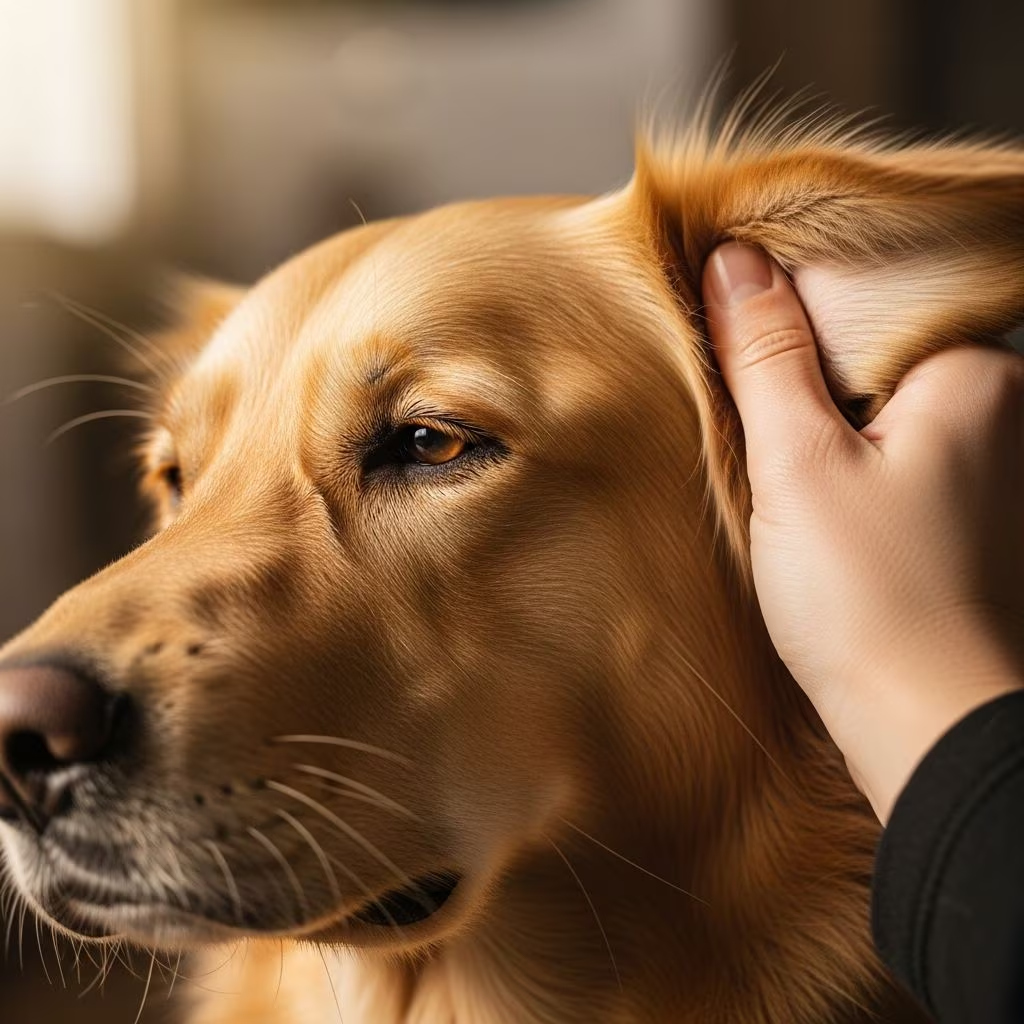
Many dog owners notice their pets melting into bliss during ear rubs, tilting heads and closing eyes in apparent delight. This common interaction stems from canine anatomy, sensory responses, and bonding instincts, making ear massages a favorite for countless dogs.
Understanding the Canine Ear: A Sensory Powerhouse
Dog ears serve critical roles beyond hearing, including balance and environmental awareness. The structure comprises three main sections: outer, middle, and inner ear, each contributing to why touch in this area feels rewarding.
The outer ear includes the visible pinna and ear canal. The pinna, a mobile cartilage flap, funnels sound waves into the canal, which is lined with glands producing protective wax. Over a dozen muscles enable independent movement, richly supplied with nerves and blood vessels for heightened sensitivity.
In the middle ear, the eardrum vibrates from sound, amplified by three tiny ossicles—malleus, incus, and stapes—transmitting signals inward. An eustachian tube connects to the throat for pressure regulation.
The inner ear houses the cochlea for hearing and semicircular canals for balance, embedded in the temporal bone with specialized hair cells linking to nerves.
| Ear Section | Key Components | Primary Functions |
|---|---|---|
| Outer Ear | Pinna, ear canal, glands | Sound collection, protection, sensation |
| Middle Ear | Eardrum, ossicles (malleus, incus, stapes) | Vibration amplification, transmission |
| Inner Ear | Cochlea, vestibular system | Hearing, balance processing |
Why Ear Rubs Spark Joy in Dogs
Dogs relish ear rubs due to dense nerve endings in the pinna and canal, creating pleasurable tingles akin to a human head scratch. Gentle massage stimulates blood flow, releasing endorphins for relaxation.
Ear shape influences enjoyment: floppy ears in breeds like Spaniels trap warmth and moisture, amplifying soothing sensations, while erect ears in German Shepherds offer accessible nerve clusters. Independent muscle control allows dogs to position ears optimally during rubs.
- Nerve Density: Pinnae boast abundant sensory nerves, heightening touch pleasure.
- Blood Flow Boost: Rubbing promotes circulation, easing tension.
- Endorphin Release: Mimics grooming, triggering feel-good hormones.
- Breed Variations: Floppy ears enhance retained warmth; erect ears provide direct access.
Deciphering Your Dog’s Response: Signs of Pure Bliss
Not all dogs react identically, but universal cues signal enjoyment. Watch for head tilts toward your hand, soft eye closure, relaxed jaw drops, or sighing breaths—clear indicators of canine contentment.
Happy dogs may lean in, expose bellies, or wag tails vigorously. Prolonged sessions without pulling away confirm pleasure. Conversely, flattened ears, lip licking, yawning, or tensing muscles suggest discomfort—stop immediately.
Positive Indicators Table
| Behavior | Meaning |
|---|---|
| Head lean/tilt | Seeking more touch |
| Half-closed eyes | Deep relaxation |
| Loose body, tail wag | Trust and happiness |
| Play bow or rolls | Inviting extended play |
When Ear Rubs Go Wrong: Spotting Discomfort
Some dogs dislike ear handling due to past infections, pain, or sensitivity. Signs include head shaking, pawing at ears, whining, freezing, or avoidance. Floppy-eared breeds face higher infection risks from poor ventilation, making rubs potentially irritating if untreated.
Over-stimulation leads to overload; short sessions prevent this. Always approach calmly, letting the dog initiate contact.
Health Perks of Regular Ear Massages
Beyond pleasure, ear rubs aid health by distributing natural oils, removing debris, and improving circulation—crucial for preventing otitis. They also strengthen bonds, reducing stress via oxytocin release, mirroring pack grooming.
- Debris clearance from canal glands.
- Early detection of swelling or odor.
- Enhanced owner-pet trust.
- Stress relief for anxious dogs.
Safe Techniques for Perfect Ear Rubs
Start slow: Sit beside your dog, offer a hand sniff, then lightly stroke the base. Use circular motions upward along the pinna, avoiding deep canal probes. Sessions last 1-5 minutes; use treats to associate positively.
- Gently cup the ear base.
- Massage in small circles with thumb and finger.
- Alternate sides, watch cues.
- End on a high note with praise.
For fearful dogs, desensitize gradually with frozen treats near ears.
Breed-Specific Ear Rub Insights
Floppy-eared Cocker Spaniels love deep, warming rubs for moisture-prone canals. Erect-eared Huskies prefer light scratches on nerve-rich tips. Pointy-eared breeds like Terriers benefit from airflow-promoting strokes.
Common Myths About Dog Ear Rubs Debunked
- Myth: All dogs love ear rubs. Fact: Individual preferences vary; respect signals.
- Myth: Rubbing cleans ears fully. Fact: It helps but doesn’t replace vet checks.
- Myth: Deep insertion is better. Fact: Stay external to avoid injury.
FAQs: Ear Rubs and Canine Care
Why does my dog go limp during ear rubs?
This relaxation response comes from nerve stimulation and endorphins, similar to a spa treatment for dogs.
Can ear rubs prevent infections?
They promote circulation and oil distribution, reducing buildup risks, especially in floppy-eared dogs.
What if my dog pulls away?
Respect boundaries; try shorter sessions or other affection spots like chest scratches.
Are ear rubs safe for puppies?
Yes, gently from weaning age, fostering trust without overwhelming sensitive ears.
How often should I rub my dog’s ears?
Daily 2-3 minute sessions suffice for bonding and light maintenance.
Pro Tips for Ultimate Ear Rub Mastery
Combine with brushing for full-body calm. Use hypoallergenic lotions if skin dries. Monitor for changes like redness, signaling vet time. Tailor pressure: firm for thick-furred breeds, soft for thin-skinned ones.
References
- Structure of the Canine Ear — Whole Dog Journal. 2023-05-15. https://www.whole-dog-journal.com/care/structure-of-the-canine-ear/
- Anatomy Of The Ear—Cats and Dogs — Oakleigh Central Vet. 2024-02-10. https://www.oakleighcentralvet.com.au/single-post/anatomy-of-the-ear-cats-and-dogs
- All You Need To Know About The Dog Ear Anatomy — PetLab Co. 2023-11-20. https://petlabco.co.uk/learn/health-wellness/dog-ears
- Anatomy and physiology of the canine ear — PubMed (Peer-reviewed). 2010-02-01. https://pubmed.ncbi.nlm.nih.gov/20178478/
- Keeping Your Dog’s Ears Healthy: Tips for Floppy & Pointy-Eared Breeds — Cupertino Vet. 2024-08-05. https://cupertinovet.com/keeping-your-dogs-ears-healthy-tips-for-floppy-pointy-eared-breeds/
- Ear – Anatomy & Physiology — WikiVet English (Veterinary resource). 2023-07-12. https://en.wikivet.net/Ear_-_Anatomy_&_Physiology



