

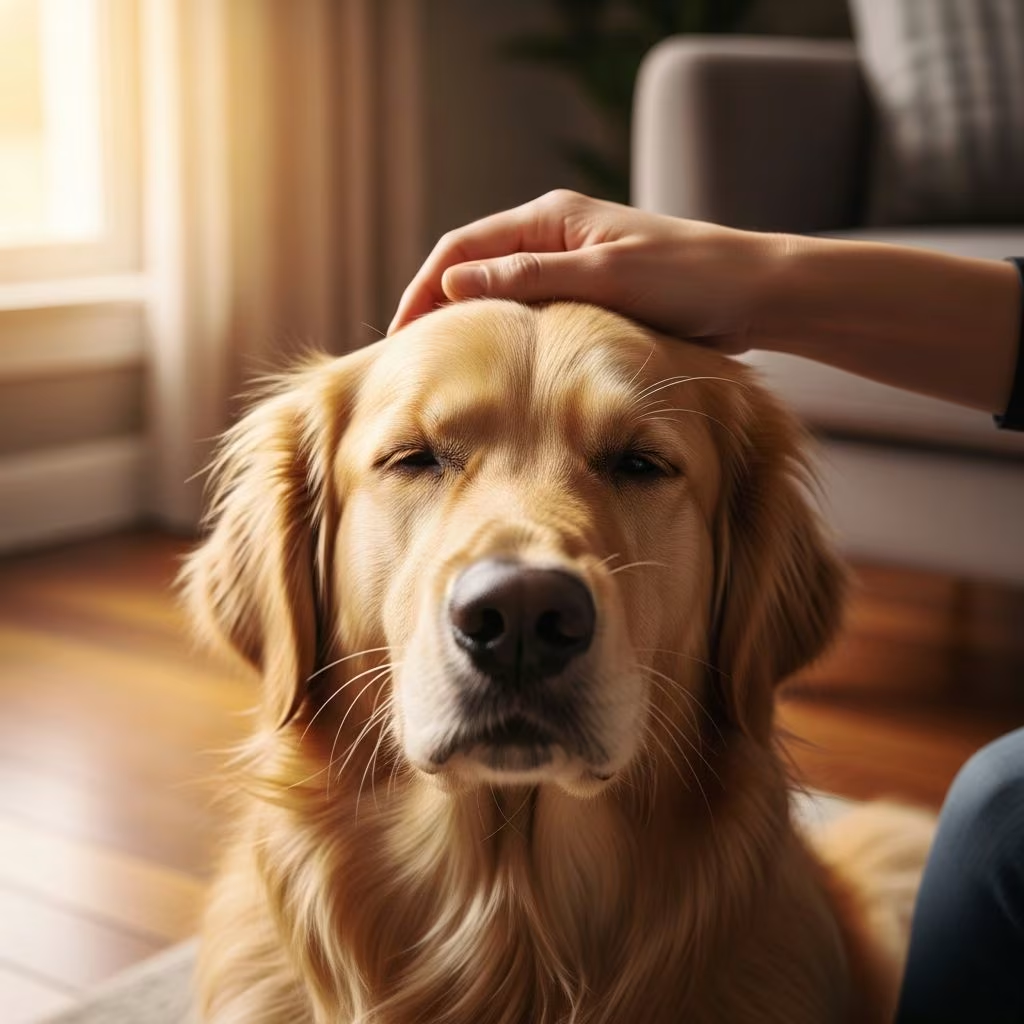
Petting dogs ranks among the most common ways humans express affection to their canine companions, but do dogs actually enjoy it? Research indicates that while many dogs relish physical touch from familiar people, preferences vary widely based on individual temperament, past experiences, and the manner of interaction. Scientific studies reveal heightened brain activity in humans during petting, alongside behavioral cues in dogs that signal pleasure or aversion. This guide delves into canine responses to touch, optimal techniques, and the profound bond-strengthening effects of appropriate petting.
The Science of Touch: How Petting Affects Dogs and Humans
Interactions like petting trigger neurological responses in both species. For humans, petting a dog activates the prefrontal cortex, a brain region linked to social and emotional processing, leading to elevated activity that intensifies with closer contact—from mere observation to active stroking. This mirrors emotional arousal and stress reduction, as short sessions lower cortisol levels.
Dogs, meanwhile, exhibit varied reactions influenced by familiarity. Studies show dogs display more appeasement behaviors, like lip-licking or averting gaze, with known individuals during petting, suggesting nuanced comfort levels rather than outright rejection. Touch from strangers often elicits fewer stress signals, possibly due to novelty or caution. Petting during calm states reinforces relaxation, while ill-timed strokes can inadvertently reward anxiety or excitement.
Deciphering Canine Body Language During Petting
Understanding a dog’s signals is crucial to determine if petting is welcome. Positive indicators include a relaxed posture, soft eyes, loose tail wags, and leaning into the touch. Conversely, tension shows in stiffening, lip licking, yawning, head turning away, or paw lifting—early warnings to stop.
- Green Light Signs: Tail wagging in loose arcs, ears perked or relaxed, body leaning forward, playful bowing.
- Yellow Caution Signs: Frozen posture, whale eye (whites visible), slow blinking, sniffing ground excessively.
- Red Stop Signs: Growling, snapping, tucked tail, raised hackles, attempts to flee.
Observe changes when petting pauses: contented dogs may sigh or stay close; uncomfortable ones shake off or move away. Familiarity amplifies these responses, with owned dogs showing more pronounced appeasement around family.
Prime Petting Zones: Where Dogs Love to Be Touched
Not all areas appeal equally. Research pinpoints preferences through behavioral observations during standardized touches.
| Preferred Areas | Why Dogs Like Them | Avoid Areas | Why Dogs Dislike Them |
|---|---|---|---|
| Chest, under chin, shoulders | Feels secure, mimics grooming, low-threat zones | Top of head, paws, hind legs | Feels dominant or invasive, triggers defensive instincts |
| Base of tail (light scratch) | pleasurable, activates happy spots | Muzzle, collar grabs | Associated with restraint or threat |
Dogs favor side-of-chest strokes and chin scratches, showing relaxation or solicitation for more. Head-top pats, paw holds, or hind-leg pets provoke avoidance or stress signals like panting. Approach from the side, not overhead, to avoid startling.
Factors Shaping a Dog’s Petting Preferences
Individual Temperament and Breed Traits
Breed heritage influences touch tolerance. Herding breeds may enjoy firm rubs evoking pack interactions, while terriers prefer quick scratches. Shy rescues need gradual desensitization.
Age and Life Stage Considerations
Puppies crave frequent handling for socialization, building trust. Seniors with arthritis appreciate gentle, joint-sparing pets. Always tailor to physical comfort.
Familiar vs. Stranger Dynamics
Dogs relax more with owners, permitting intimate touches. Strangers should seek permission and watch for stress; many prefer no contact from unknowns.
Best Practices for Effective and Enjoyable Petting
To maximize mutual joy:
- Let the Dog Initiate: Wait for approaches or paw offers before touching.
- Use Slow, Predictable Strokes: Long, firm glides over preferred areas; avoid frenzy.
- Combine with Voice: Soft tones enhance calming effects.
- Respect Boundaries: Stop at first discomfort cue; short sessions prevent overwhelm.
- Timing Matters: Pet during calm moments, not arousal or fear.
Incorporate massage techniques: circular chest rubs or ear kneads promote relaxation. For training, pair petting with calm behaviors to reinforce desired states.
Mutual Health Benefits of Human-Dog Petting
Beyond pleasure, petting yields tangible gains. Humans experience prefrontal boosts aiding emotional regulation, plus rapid stress drops after 10 minutes. Dogs gain oxytocin releases fostering bonds, reduced anxiety, and strengthened human attachments.
Therapeutic applications abound: therapy dogs aid in hospitals via structured petting, lowering patient blood pressure. Regular routines improve canine behavior, curbing separation issues.
Common Petting Mistakes and Fixes
- Mistake: Hugging Tightly. Fix: Opt for loose leans; many dogs view hugs as restraints.
- Mistake: Petting While Excited. Fix: Wait for settled states to avoid reinforcing hyperactivity.
- Mistake: Ignoring Signals. Fix: Learn breed-specific cues and halt promptly.
- Mistake: Overhead Pats. Fix: Stroke sideways for security.
Petting in Multi-Dog Homes and Public Settings
In groups, pet one at a time to prevent jealousy-fueled tension. Publicly, ask owners first and gauge the dog’s vibe—stressed pups signal ‘no thanks’. Children need supervision to teach gentle hands.
FAQs
Why does my dog pull away when I pet their head?
Head pats mimic dominant displays in dog language, feeling intrusive. Switch to chest or side pets for better reception.
Can petting reduce my dog’s anxiety?
Yes, when timed right during calm; it signals safety. Avoid during distress to prevent reinforcement.
How do I know if a strange dog wants petting?
Look for relaxed approaches and tail wags; never assume. Ask the owner and start slow.
Does breed affect petting preferences?
Yes, working breeds often like purposeful rubs, lap dogs gentle strokes. Observe individually.
Is petting as beneficial as walks?
Complementary: petting calms emotionally, exercise energizes physically.
Enhancing Your Bond Through Mindful Touch
Mindful petting transforms routine affection into a powerful connector. By respecting signals, targeting sweet spots, and timing appropriately, owners foster trust and joy. Science affirms these interactions light up brains mutually, underscoring dogs’ unique attunement to humans. Invest time observing your dog’s unique likes— the rewards in loyalty and happiness are immeasurable.
References
- What Petting a Dog Does to Your Brain — The Animal Keeper. 2023-01-23. https://theanimalkeeper.com/what-petting-a-dog-does-to-your-brain/
- Effects of contact with a dog on prefrontal brain activity — PMC (PubMed Central). 2022. https://pmc.ncbi.nlm.nih.gov/articles/PMC9534402/
- Dogs’ Responses to Affection from Familiar and Unfamiliar People — Companion Animal Psychology. 2013. https://www.companionanimalpsychology.com/2013/01/dogs-responses-to-affection-from.html
- Petting a Dog: How Affection Can Change Your Dog’s Behavior — Canine Peace of Mind. 2018-01-15. https://caninepeaceofmind.com/petting-a-dog-how-affection-can-change-your-dogs-behavior/



