

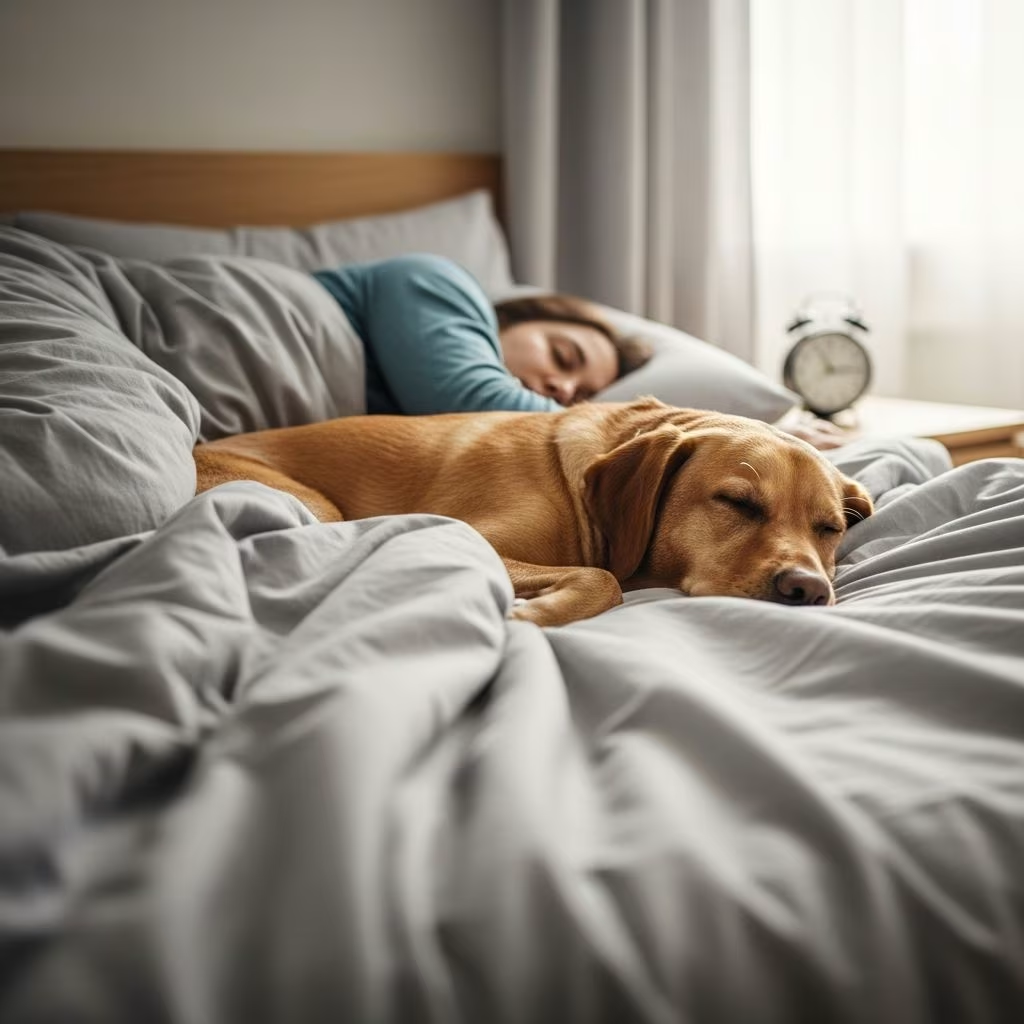
Many dog owners wonder if their furry companions truly relish curling up in the same bed at night. Research and expert observations indicate that most dogs do prefer this arrangement, drawn by the warmth, security, and closeness it provides to their human pack members. This preference stems from dogs’ pack-oriented nature, where proximity to family members signals safety and comfort during vulnerable sleep times.
The Instinctual Appeal of Close Proximity for Dogs
Dogs descend from wolves, whose pack dynamics emphasize sleeping in tight groups for protection and warmth. Modern domestic dogs retain this instinct, often seeking out their owner’s bed as the ultimate safe haven. Physical contact releases oxytocin—the ‘bonding hormone’—in both dogs and humans, fostering trust and reducing stress levels. Owners frequently report their dogs sighing contentedly or positioning themselves as close as possible, behaviors signaling genuine enjoyment and relaxation.
During sleep, dogs enter lighter sleep phases more frequently than humans, staying semi-alert to potential threats. Sharing a bed allows them to monitor their environment while benefiting from the owner’s steady breathing rhythms, which mimic pack reassurance. This setup can lead to fewer nighttime disturbances for well-adjusted dogs, as the presence of their trusted human promotes deeper rest cycles.
Emotional and Psychological Gains from Nighttime Companionship
Co-sleeping strengthens the human-dog relationship through consistent physical closeness. Studies highlight how this practice boosts feelings of companionship, making owners feel less isolated and dogs more secure. For instance, the tactile comfort of a dog’s body heat acts as a natural stress reliever, easing owners into sleep faster on cold nights or during anxious periods.
- Reduced loneliness: Nighttime presence combats feelings of solitude, particularly for single households.
- Enhanced mood: Daily routines reinforced by calm evenings lead to happier interactions.
- Anxiety relief for dogs: Proximity calms pacing or whining in separation-prone pups.
Beyond emotions, this habit supports mental health via the ‘pet effect,’ where pet interactions alleviate depression symptoms and PTSD-related night terrors. Dogs, in turn, thrive on the owner’s calm energy, which signals a safe environment and lowers their cortisol production.
Physical Comforts That Make Bed-Sharing Irresistible
The sensory perks are undeniable: a dog’s warm body serves as a living blanket, while their soft fur provides a soothing texture against skin. Many dogs actively choose the bed over their own, climbing up with enthusiastic wags, indicating preference driven by comfort rather than mere tolerance. Shared body heat regulates temperature effectively, benefiting both parties in varying climates.
For smaller breeds, burrowing under covers mimics den-like security, while larger dogs often sprawl protectively near their owner’s feet. These positions reflect contentment, as dogs rarely displace themselves unless uncomfortable. Observational data from trainers confirms that healthy, trained dogs exhibit relaxed postures—deep breathing, loose limbs—only in preferred sleeping spots like the family bed.
Potential Health Boosts Backed by Research
Scientific inquiries, such as those from the Mayo Clinic, reveal that bed-sharing rarely disrupts sleep significantly and can enhance perceived security. Participants reported better overall rest due to the reassuring presence of their pet, outweighing minor awakenings from movement. This aligns with findings that consistent proximity deepens bonds, potentially improving immune responses through lowered chronic stress.
Veterinarians note that for most households, hygiene concerns are manageable with regular cleaning, and disease transmission risks remain low given daily close contact like petting and cuddling. The American Kennel Club emphasizes that well-behaved dogs gain delight from this privilege without behavioral fallout.
Sleep Quality: Myths vs. Realities
Concerns about fragmented sleep arise because dogs experience polyphasic cycles—multiple short sleeps per night—compared to human monophasic patterns. Yet, large-scale studies show most co-sleepers report no major impairments, with benefits like quicker sleep onset tipping the scale positively.Individual factors, such as dog size or activity level, influence outcomes more than the act itself.
| Factor | Impact on Sleep | Evidence |
|---|---|---|
| Dog Movement | Occasional micro-arousals | Minimal for light sleepers |
| Body Heat | Promotes faster relaxation | Reported by 70% of owners |
| Alertness | Dog acts as sentinel | Increased security sense |
Navigating the Drawbacks of Shared Sleeping Spaces
While appealing, bed-sharing isn’t without challenges. Allergies amplify with dander accumulation in bedding, and active dogs can inadvertently elbow owners awake. Hygiene demands frequent washes to prevent dirt or parasite transfer, especially for outdoor pups.
- Allergen buildup: Triggers symptoms in sensitive individuals.
- Disrupted patterns: Larger breeds may claim space, reducing owner comfort.
- Boundary issues: Poorly trained dogs might develop guarding habits.
One NIH study linked pet co-sleeping to slightly poorer perceived sleep quality in some cases, particularly with insomnia-prone individuals. Behavioral experts caution against it for dogs showing aggression, as it can blur pack hierarchies and encourage resource guarding over the bed.
Breed and Size Considerations for Optimal Co-Sleeping
Not all dogs suit bed-sharing equally. Small breeds like Chihuahuas nestle unobtrusively, while giants like Great Danes dominate space. High-energy breeds may fidget more, whereas mellow ones like Bulldogs settle quickly. Age matters too: puppies crave closeness for socialization, seniors for arthritic warmth relief.
Owners of multi-dog homes must monitor dynamics to avoid jealousy-fueled disturbances. Health status plays a role—obese or gassy dogs exacerbate issues, underscoring the need for vet check-ups before inviting them aboard.
Tips for Harmonious Bed-Sharing Arrangements
To maximize enjoyment, establish rules early. Designate a bed zone for the dog, use washable covers, and groom regularly. Crate training offers a compromise: dog nearby but independent. Positive reinforcement teaches ‘bedtime’ commands, preventing entitlement.
For allergy sufferers, HEPA vacuums and air purifiers mitigate risks. If sleep suffers, trial separations with comfort items like worn owner shirts ease transitions.
When to Opt for Independent Sleeping
Prioritize separate beds if behavioral red flags appear, like growling when touched or family tensions arise. Infants, immunocompromised individuals, or allergy-heavy homes warrant caution. Trainers recommend consulting professionals for persistent issues, ensuring the dog’s own luxurious bed becomes the preferred spot.
Common Myths About Dogs and Bed Privileges
Myth 1: It causes dominance issues. Reality: Proper training prevents this; most dogs view it as comfort, not power plays.
Myth 2: Always harms sleep. Reality: Data shows benefits often prevail for compatible pairs.
Myth 3: Unhygienic universally. Reality: Manageable with hygiene protocols.
Frequently Asked Questions
Is it unhealthy for my dog to sleep in my bed?
Generally safe for healthy dogs and owners, with low disease risk beyond routine contact. Focus on cleanliness.
Does bed-sharing make dogs clingy?
No, when balanced with independence training; it enhances bonds without dependency if boundaries are clear.
What if my dog hogs the bed?
Use barriers or designated mats; consistent redirection works wonders.
Can puppies sleep in bed right away?
Yes, but crate nearby initially for house training success.
How to transition a bed-loving dog?
Gradual shifts with treats and familiarity items; patience yields results.
References
- The Joy of Dogs in Beds: Embrace Their Sleep with You — Seattle Canine Club. 2023. https://seattlecanineclub.com/the-joy-of-dogs-in-beds-embrace-their-sleep-with-you/
- The hidden germy risks of letting your pet sleep in your bed — Good Housekeeping UK. 2024-10-01. https://www.goodhousekeeping.com/uk/house-and-home/household-advice/a69977336/pet-sleeping-in-bed-dangers/
- Pros and Cons of Your Dog Sleeping in Your Bed — Vital Essentials. 2023. https://www.vitalessentials.com/raw-guide/to-sleep-or-not-to-sleep-the-pros-and-cons-of-allowing-your-dog-to-sleep-in-your-bed
- Should I Let My Dog Sleep With Me? — American Kennel Club. 2024. https://www.akc.org/expert-advice/advice/should-my-dog-sleep-with-me/
- Is Sleeping With A Pet Beneficial Your Health? — Sachem Animal Hospital. 2023. https://www.sachemanimalhospital.com/veterinary-newsletters/is-sleeping-with-a-pet-beneficial-your-health
- Co-sleeping with pets, stress, and sleep in a nationally representative U.S. sample — NIH/PMC. 2024-03-07. https://pmc.ncbi.nlm.nih.gov/articles/PMC10918166/



