

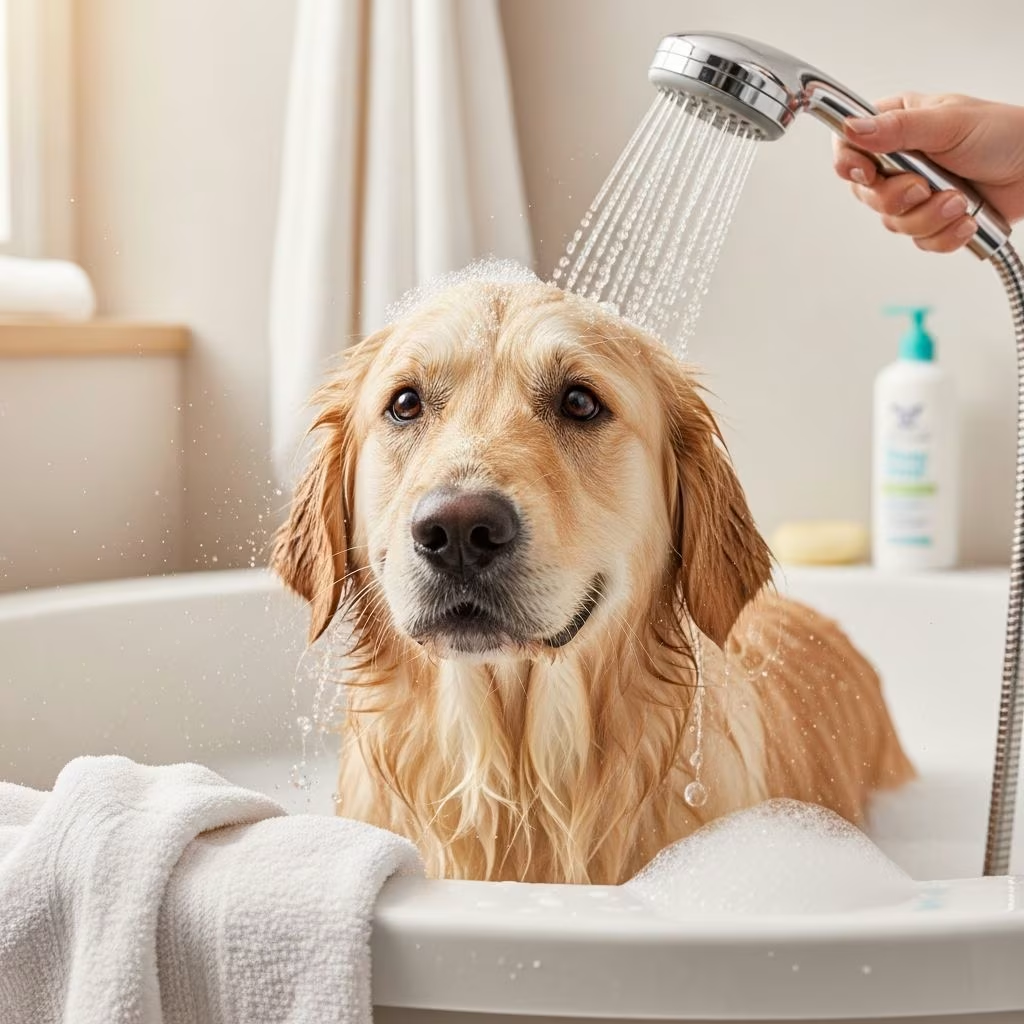
Dogs exhibit a wide range of reactions to baths, from enthusiastic splashing to anxious avoidance, influenced by sensory experiences, past encounters, and individual temperament. While some pups embrace the water as a playful adventure, others view it as an unwelcome ordeal, often culminating in explosive post-bath energy bursts known as zoomies.
The Instinctive Drive Behind Post-Bath Zoomies
One of the most noticeable responses after a bath is the frenetic running, rolling, and shaking that many dogs display. This behavior, termed Frenetic Random Activity Periods (FRAP) or zoomies, serves multiple purposes rooted in canine instincts. Primarily, dogs shake and roll to rid their fur of excess water, as wet coats feel heavy and uncomfortable, prompting them to dry off quickly through vigorous motion.
Beyond drying, these zoomies help dogs reclaim their natural scent, which baths disrupt with shampoo fragrances. The unfamiliar smell can disorient them, leading to rolling on carpets or furniture to mask it with their own or environmental odors. Experts note that this is a natural response to sensory overload from water temperature changes, loud dryer noises, and confinement during washing.
- Drying instinct: Shaking expels up to 70% of water from fur in seconds.
- Scent restoration: Rolling reintroduces familiar smells.
- Energy release: Pent-up excitement from the bath’s end fuels the frenzy.
Why Baths Can Feel Stressful for Dogs
Not all dogs leap into bath time with joy; many experience stress due to the unfamiliar sensations involved. The rush of water, slippery surfaces, and handling can trigger anxiety, especially if previous baths involved cold water or rough treatment. Dogs rely on their nose for identity, and strong shampoos strip away their personal scent profile, causing temporary confusion.
Veterinarians explain that baths mimic predatory threats in a dog’s mind—being held down and doused feels vulnerable. This builds adrenaline, which is then released in post-bath zoomies as a stress-relief mechanism. Sensory overload from faucet drips, suds in eyes, or temperature shifts amplifies discomfort, leading some dogs to cower or resist entry into the tub.
| Stress Sign | Description | How to Mitigate |
|---|---|---|
| Trembling | Body shakes from fear | Warm water, gentle voice |
| Ears pinned back | Sign of submission | Positive treats during process |
| Avoidance | Hiding from tub | Gradual desensitization |
| Whining | Vocal distress | Short sessions, praise |
Signs Your Dog Actually Loves Baths
Conversely, certain dogs thrive during grooming, viewing it as playtime or massage. Indicators include tail wagging, relaxed posture, and voluntary entry into water areas. The tactile stimulation of water flow activates nerve endings, releasing endorphins for a euphoric effect. Playful splashing or leaning into strokes signals enjoyment, often extending to happy zoomies as pure celebration.
Positive associations form when baths pair with rewards like toys or affection, turning potential stress into anticipation. Some breeds, such as Water Retrievers, have genetic predispositions for water love due to selective breeding for swimming. If your dog seeks out puddles post-bath or nuzzles during drying, they’re likely among the bath enthusiasts.
Breed Differences in Bath Attitudes
Temperament and coat type influence bath preferences. Water-loving breeds like Labrador Retrievers or Poodles often relish the splash, their dense or curly fur benefiting from regular cleaning without much protest. In contrast, scent hounds such as Beagles may resent scent loss more intensely, while short-haired breeds like Boxers dry faster and recover quickly from the ordeal.
- Water enthusiasts: Labs, Goldens, Portuguese Water Dogs – bred for aquatic tasks.
- Reluctant bathers: Bassets, Dachshunds – prioritize scent over cleanliness.
- Neutral: Terriers, Bulldogs – coat dictates frequency needs.
Understanding breed traits helps tailor expectations; no dog is universally bath-averse, but genetics play a role in initial reactions.
Health Benefits of Regular Bathing
Despite mixed feelings, baths are essential for hygiene. They remove dirt, allergens, and parasites, preventing skin infections and hot spots. Veterinary guidelines recommend bathing every 4-6 weeks with dog-specific products to maintain coat oils without over-drying. For allergy sufferers, frequent gentle washes reduce flare-ups, improving overall comfort.
Bathing also aids in health checks—inspect for lumps, fleas, or wounds during the process. The massage-like scrubbing boosts circulation, and endorphin release post-bath enhances mood, countering any temporary stress.
Step-by-Step Guide to Stress-Free Baths
Transform bath time with preparation and positivity. Start with brushing to remove loose fur, then fill the tub with lukewarm water (test on your wrist). Use a non-slip mat for security, and keep sessions under 10 minutes for minimal overwhelm.
- Prep the space: Quiet room, towels ready, treats handy.
- Introduce gradually: Let dog sniff tub, reward exploration.
- Wash gently: Massage shampoo in circles, avoid face initially.
- Rinse thoroughly: No residue to prevent itching.
- Dry patiently: Towel rub, low-heat blower if tolerated.
- Post-bath reward: Play or calm cuddle to associate positively.
For anxious dogs, try waterless shampoos or professional groomers. Consistency builds tolerance over time.
Advanced Tips for Managing Zoomies
Channel post-bath energy constructively. Direct zoomies to a fenced yard or gated room to prevent slips on wet floors. Follow with calming activities like puzzle toys or snuggle time to reinforce relaxation. Avoid punishment—zoomies are healthy outlets for joy or relief.
If hyperactivity persists excessively, consult a vet to rule out allergies or anxiety disorders. Most cases resolve naturally within minutes, signaling a return to equilibrium.
Frequently Asked Questions (FAQs)
Why does my dog roll on the floor after a bath?
Dogs roll to dry off and restore their scent, shaking away water and shampoo smells.
Is it normal for dogs to hate baths?
Yes, due to sensory overload or past negatives, but training improves attitudes.
How often should I bathe my dog?
Every 4-6 weeks, or more for oily coats, using pH-balanced products.
What if my dog has extreme zoomies?
Provide a safe space; it’s usually joy or stress release, not a concern.
Can baths make dogs sick?
Rarely, if water is ingested excessively, but proper technique prevents issues.
Conclusion: Making Baths a Bonding Ritual
Bath time need not be a battle; with patience and technique, it becomes a cherished routine fostering trust and cleanliness. Observe your dog’s cues, adapt accordingly, and celebrate the zoomies as signs of vitality. Ultimately, a well-groomed dog is a happy, healthy companion.
References
- Why Do Dogs Get Zoomies After a Bath? — Rover.com. 2023. https://www.rover.com/blog/why-dogs-crazy-energy-after-bath-in/
- The Reason Why Dogs Go Wild After a Bath — Mental Floss. 2021-10-20. https://www.mentalfloss.com/article/645871/why-dogs-go-wild-after-a-bath
- Dog Behavior 101: Why Do Dogs Get the Zoomies After a Bath? — All Dogs Dream. 2024. https://www.alldogsdream.com/dog-behavior-101-why-do-dogs-get-the-zoomies-after-a-bath/
- Why Is My Dog So Happy After a Bath? The Science Behind the Joy — UAH Pet. 2023. https://www.uahpet.com/blogs/post/why-is-my-dog-so-happy-after-a-bath-the-science-behind-the-joy
- Why Do Dogs Go Crazy After a Bath? Unraveling the Post-Bath Frenzy — My Waggle. 2024. https://mywaggle.com/blogs/pet-behaviour/why-do-dogs-go-crazy-after-a-bath
- Do Dogs Like Being Clean After a Bath? — Black Sheep Organics. 2023. https://www.blacksheeporganics.com/en-us/blogs/how-to-clean-your-dogs-ears/do-dogs-like-being-clean-after-a-bath



