

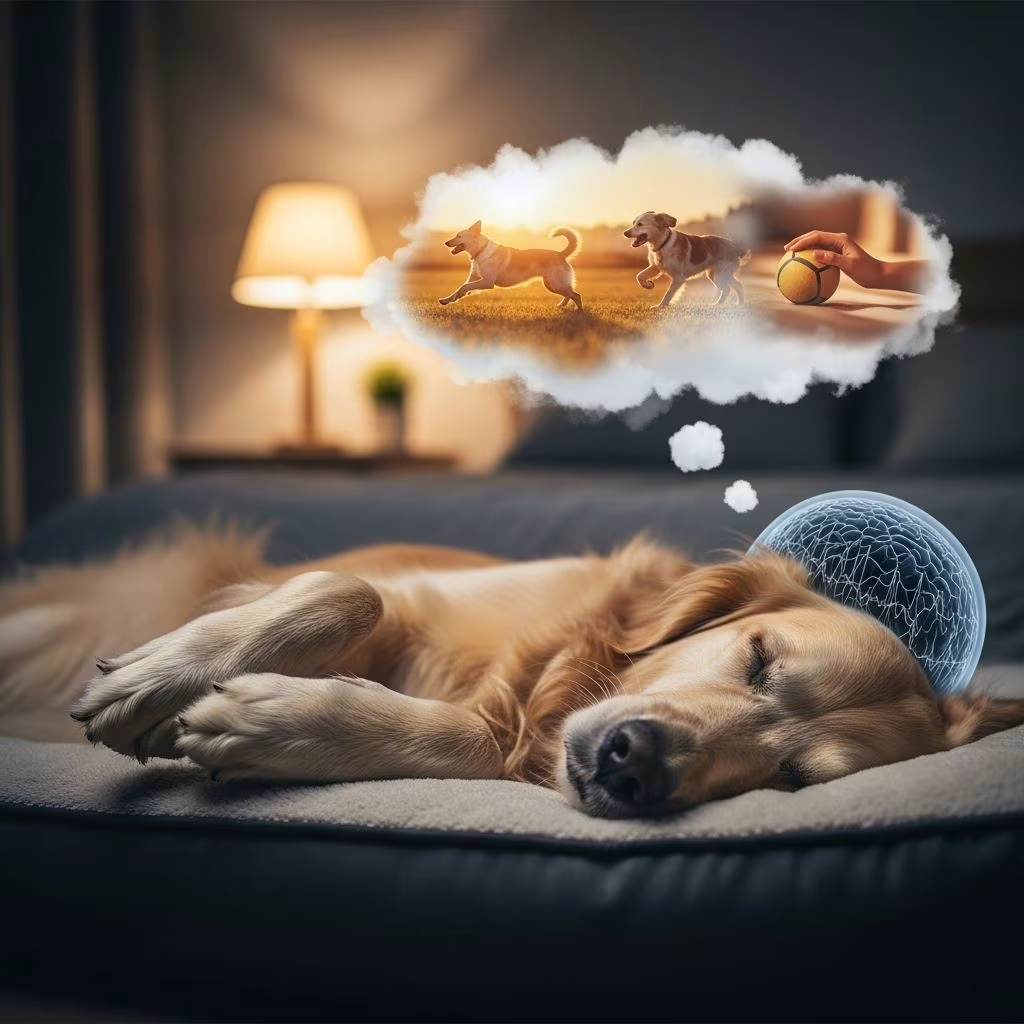
Do Dogs Dream?
If you’ve ever watched your dog’s paws twitch, heard soft whimpers, or observed their eyes moving rapidly beneath closed eyelids during sleep, you’ve likely wondered what’s happening in their mind. The question of whether dogs dream has fascinated pet owners and scientists alike for generations. The answer is yes—dogs do dream, and the science behind canine dreams reveals remarkable similarities to human dreaming patterns.
The Science of Sleep in Dogs
To understand whether dogs dream, we must first examine their sleep architecture. Like humans, dogs experience multiple stages of sleep, including both rapid eye movement (REM) sleep and non-REM sleep. During REM sleep, the brain exhibits heightened activity similar to waking states, and this is when most vivid dreaming occurs in both species.
Research from Harvard Medical School has demonstrated that dogs possess similar sleep-stage structures to humans. Dr. Deirdre Barrett, a clinical and evolutionary psychologist at Harvard, explains that dogs go through distinct sleep phases throughout their rest periods. The comparable sleep patterns between dogs and humans provide strong evidence that dogs experience dreams in much the same way we do.
Dogs spend approximately half their day sleeping, which is significantly more than humans. Puppies, senior dogs, and larger breeds may sleep even more extensively. During these extended rest periods, dogs experience multiple sleep cycles, and their dreams likely serve similar neurological functions as human dreams, including memory consolidation and emotional processing.
Understanding REM Sleep in Dogs
REM (Rapid Eye Movement) sleep is the stage where the most vivid and memorable dreams occur. During REM sleep, your dog’s brain exhibits electrical patterns similar to those observed during waking hours. This stage is characterized by rapid movements of the eyes beneath closed eyelids, increased brain activity, and temporary muscle paralysis.
Dogs have notably shorter sleep cycles than humans, experiencing 15 to 20 cycles throughout the night compared to humans’ four to six cycles. The duration and frequency of dreams vary by breed and age. According to dog behavior researcher Dr. Stanley Coren, smaller dog breeds experience more frequent but shorter dreams. For example, a Chihuahua may dream every 10 minutes, while larger breeds have longer dreams occurring approximately every 90 minutes.
The brain’s pons—a region in the brainstem responsible for controlling sleep cycles and regulating muscle tone—plays a crucial role in preventing dogs from acting out their dreams. When this mechanism functions properly, dogs remain still while dreaming. However, when this inhibitory mechanism occasionally falters, you may witness your dog physically acting out their dreams, paws twitching as if running or soft barks escaping their lips.
What Do Dogs Dream About?
While we cannot directly ask dogs about their dreams, scientific research provides compelling insights into their content. The continuity hypothesis, a leading theory of dreaming in both humans and animals, suggests that dreams are constructed from the experiences and stimuli encountered during waking life. Dogs, therefore, likely dream about their daily experiences, including activities, interactions, and emotional encounters.
Groundbreaking research conducted by neuroscientists at the Massachusetts Institute of Technology examined brain activity patterns in rats as they navigated mazes. When the same rats entered REM sleep, researchers observed identical neural activation patterns to those recorded during their waking maze navigation. This suggested that animals replay and process daily experiences during dreams, helping consolidate memories and master learned tasks.
Based on these findings and the structural similarities between dog and rat brains, researchers conclude that dogs likely dream about comparable subjects. Dr. Deirdre Barrett notes that since dogs are emotionally attached to their human owners, it is reasonable to assume that dogs dream of their owner’s face, voice, and scent. Dogs may also dream about favorite toys, play sessions, walks, treats, and other positive experiences that engage them emotionally or capture their attention.
The Role of Brain Structure in Canine Dreams
The structural similarities between canine and human brains provide additional evidence that dogs experience dreaming. Both species possess similar electrical activity patterns during sleep and comparable neurotransmitter systems. Importantly, dogs have an amygdala—the brain region responsible for emotional processing—just as humans do.
The presence of an amygdala in dogs suggests they may experience emotionally laden dreams that reflect their attachments and daily interactions. This neurological similarity supports the theory that dogs don’t simply dream of random images but rather process emotionally significant events and relationships through their dreams, much as humans do.
Dr. Stanley Coren’s research has contributed significantly to our understanding of canine cognition and dreaming. His findings indicate that dogs’ dreams reflect their experiences and emotional priorities, with a strong emphasis on their relationships and daily activities that matter to them most.
How We Know Dogs Dream: Research Evidence
Scientists have employed several methods to determine what animals dream about. One landmark study involved monitoring brain activity in rats as they completed tasks. Researchers recorded the precise neural patterns during task performance and then compared these patterns to brain activity during REM sleep. The remarkable overlap in neural activation indicated that animals were likely replaying their experiences during dreams.
Another important experimental approach involved temporarily disabling the pons in animal subjects during REM sleep. The pons, located in the brainstem, typically inhibits muscle movement during sleep. When researchers disabled this region under controlled conditions, animals acted out their dreams, revealing the content of their dreams through their physical behavior.
In dogs, this research showed they acted out typically canine behaviors—running, playing, and interacting with their owners or other dogs. As researchers noted, “what we’ve basically found is that dogs dream doggy things. The dream pattern in dogs seems to be very similar to the dream pattern in humans.” These controlled experiments provide strong scientific support for the hypothesis that dogs experience vivid, complex dreams.
Sleep Differences Across Dog Breeds and Ages
Not all dogs dream identically. Significant variations exist based on breed size and age. Larger dog breeds experience longer REM cycles and fewer total dreams per night, with new dreams occurring approximately every 90 minutes. Smaller breeds, conversely, dream more frequently but experience shorter dream duration.
Age also influences dreaming patterns. Puppies and senior dogs tend to sleep more and dream more frequently than middle-aged dogs. This increased dreaming in puppies may relate to their intensive learning during early development, as dreams appear to facilitate memory consolidation and skill acquisition. Similarly, senior dogs’ increased sleep and dreaming may reflect changes in neurological function with aging.
The Physical Manifestations of Dog Dreams
The twitching paws, soft barks, and running motions you observe while your dog sleeps likely represent them acting out dream sequences. When the brain’s muscle-inhibition mechanism is working properly, these movements are subtle and contained. However, occasional breakthrough twitches and vocalizations demonstrate that your dog is physically engaging with their dream content.
These physical expressions of dreaming are completely normal and typically harmless. They simply reflect your dog processing experiences, practicing behaviors, or reliving emotionally significant moments. Most commonly, dogs likely dream of positive experiences—playing with you, fetching their favorite toy, or enjoying a beloved treat.
Dreams and Memory Consolidation
Research suggests that dreaming serves an important neurological function in both humans and dogs: memory consolidation. During dreams, the brain replays experiences and consolidates new information into long-term memory. This process appears crucial for learning and skill development.
For dogs, this means that time spent running through a remembered play session or practicing retrieved behaviors during sleep helps strengthen those memories and can enhance their performance of learned tasks. Dreams essentially allow dogs to practice and refine their experiences without the energy expenditure of actual waking activity.
The Emotional Connection Between Dogs and Dreams
Perhaps most heartwarming is the likelihood that your dog dreams about you. Given the strong emotional bond dogs develop with their owners, and considering that dreams reflect what animals find emotionally significant, it is reasonable to conclude that your dog’s dreams likely include your face, your scent, and shared experiences together.
This emotional dimension adds deeper meaning to those twitching paws and quiet whimpers during your dog’s slumber. In their dreams, just as in their waking lives, your dog remains intimately connected with you, processing your relationship and the joy you bring to their life.
Frequently Asked Questions About Dog Dreams
Q: Can dogs have nightmares?
A: Yes, dogs can likely experience distressing dreams. Just as humans occasionally have nightmares, dogs may dream about frightening or stressful experiences. If your dog appears to have a disturbing dream (severe twitching, loud barking, or apparent distress), it’s best to let them wake naturally rather than abruptly waking them.
Q: Should I wake my dog if they seem to be having a bad dream?
A: Generally, it’s better to allow dogs to wake naturally from dreams. Abruptly waking a dog can be disorienting and may increase anxiety. However, if your dog appears to be in genuine distress or is in danger of injury, gently waking them is appropriate.
Q: How long do dogs dream?
A: Dream duration varies by breed size. Larger dogs may dream for several minutes during REM cycles, while smaller breeds experience shorter dreams but more frequently. Dogs have 15-20 sleep cycles per night compared to humans’ 4-6, allowing multiple dreaming episodes.
Q: Do all dogs dream equally?
A: No, dreaming varies by age and breed. Puppies and senior dogs dream more frequently. Smaller breeds dream more often but for shorter periods, while larger breeds have longer but less frequent dreams.
Q: What does it mean when my dog’s paws twitch during sleep?
A: Paw twitching during sleep is likely your dog physically acting out dream movements. This is completely normal and harmless, typically reflecting your dog reliving positive experiences like playing or running.
Q: Can I influence what my dog dreams about?
A: Since dogs dream about their daily experiences, providing enriching activities, positive interactions, and engaging play sessions may influence dream content. A dog with positive daily experiences likely has more pleasant dreams than one experiencing stress or boredom.
Conclusion: Understanding Your Dog’s Dream World
The evidence strongly suggests that dogs do indeed dream. Through their dreams, your dog processes daily experiences, consolidates memories, and likely relives interactions that matter most—especially moments shared with you. While we cannot directly access a dog’s dream world, scientific research into sleep patterns, brain structure, and experimental manipulation of sleep cycles reveals that canine dreams closely resemble human dreams in structure and function.
The next time you observe your sleeping dog’s paws twitching or hear soft whimpers, you can appreciate that your companion is engaged in a complex neurological process—likely replaying the day’s adventures and, quite possibly, dreaming affectionately of you. Understanding the science behind dog dreams deepens our appreciation for the rich inner lives of our beloved pets and reinforces the remarkable bonds we share with them.
References
- Dream Science: What Your Dog Dreams About — American Kennel Club. 2024. https://www.akc.org/expert-advice/training/what-do-dogs-dream-about/
- Dogs Do Dream, and It’s Most Likely About Their Toys, Food, and You — Discover Magazine. 2024. https://www.discovermagazine.com/dogs-do-dream-and-its-most-likely-about-their-toys-food-and-you-47645
- Your Dog Loves You So Much, They Even Dream About You — BBC Science Focus Magazine. 2024. https://www.sciencefocus.com/nature/what-do-dogs-dream-about
- Harvard Scientists Discover Dogs Dream of Their Human Owners — Pawfect Stays. 2024. https://www.pawfectstays.co.uk/health/dogs-dreams/
- Do Dogs Dream About Humans: Understanding Canine Sleep Science — Triangle Animal Clinic. 2024. https://triangleanimalclinic.com/blog/do-dogs-dream-about-humans/



