

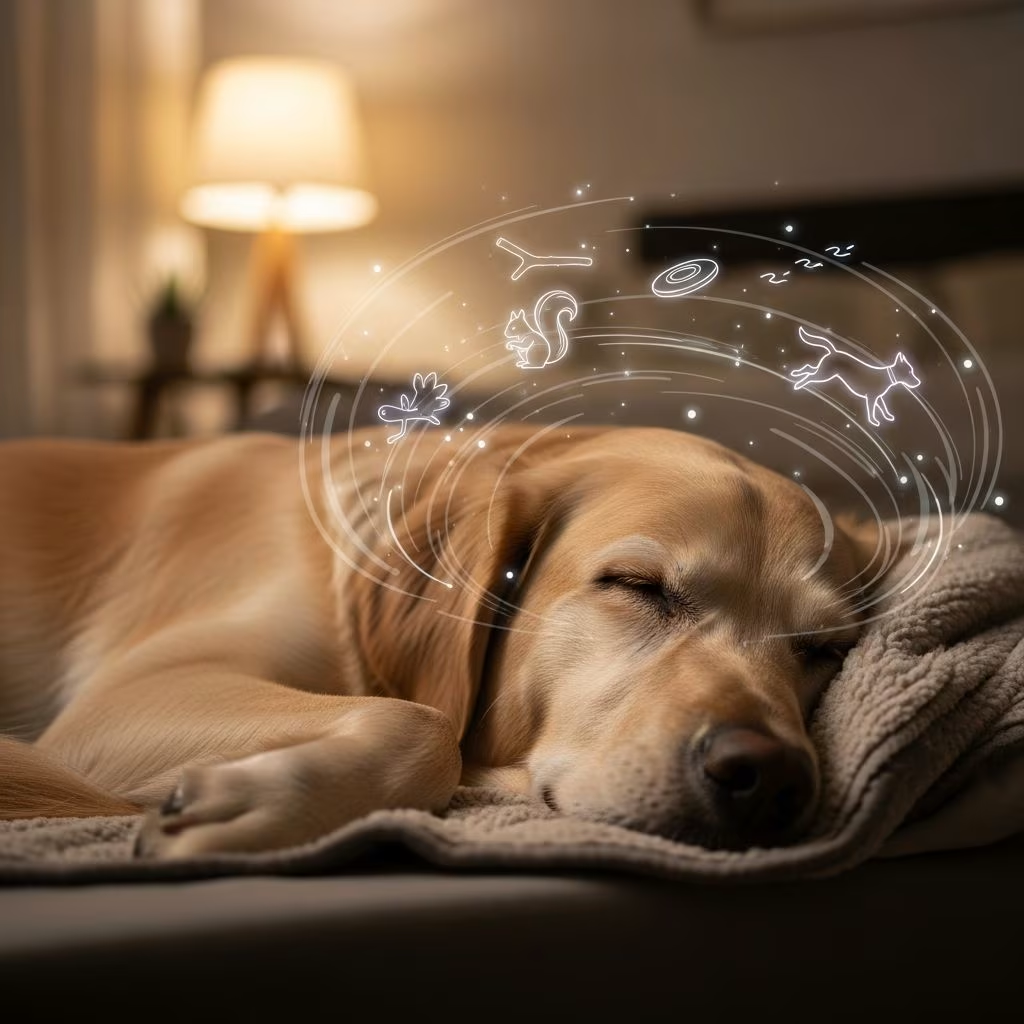
Dogs experience dreams during their REM sleep phase, much like humans, exhibiting rapid eye movements, twitching limbs, and vocalizations that suggest vivid mental activity.
The Building Blocks of Canine Slumber
Canine sleep follows a structured pattern divided into non-REM and REM stages, allowing dogs to recharge while processing daily experiences. Non-REM sleep promotes physical restoration with slowed heart rates and relaxed muscles, while REM introduces heightened brain function associated with dreaming.
Dogs cycle through these phases rapidly, completing a full loop in about 20 to 45 minutes, far shorter than the human 90-minute cycle. This enables multiple dream sessions throughout their rest periods, tailored to their polyphasic sleep style—naps scattered across day and night.
How Much Rest Do Dogs Really Need?
Adult dogs typically log 12 to 14 hours of sleep daily, with puppies and seniors often exceeding 18 to 20 hours to fuel growth or offset age-related fatigue.
| Life Stage | Average Daily Sleep | Key Influences |
|---|---|---|
| Puppies (under 6 months) | 18-20 hours | Growth spurts, high energy bursts |
| Adults (1-7 years) | 12-14 hours | Breed size, daily exercise |
| Seniors (8+ years) | 14-18 hours | Reduced mobility, health issues |
Factors like breed play a role: high-energy breeds such as Border Collies may sleep less deeply after activity, while laid-back ones like Bulldogs nap more frequently.
Spotting the Signs of Dreaming in Dogs
- Twitching paws and legs: Mimics running or chasing, common in REM.
- Rapid eye flickers: Eyes move quickly under lids, indicating active brain processing.
- Soft whines or barks: Vocal cues suggesting dream scenarios like play or alerts.
- Tail wags or smiles: Positive dreams may trigger happy expressions.
- Breathing changes: Quickens during excitement in dreams.
These behaviors peak 20-30 minutes into a nap, aligning with REM entry. Unlike non-REM’s calm stillness, REM brings subtle animations without full awakening.
Human vs. Dog Sleep: Key Differences
While both species share REM and non-REM architecture, dogs’ cycles are briefer and more frequent—up to 20 per day versus humans’ 4-5 nightly.
| Aspect | Humans | Dogs |
|---|---|---|
| Cycle Length | 90 minutes | 20-45 minutes |
| REM Frequency | Every 90 min | Every 20 min |
| Daily Total | 7-9 hours | 12-14 hours (adults) |
| Sleep Style | Monophasic (nightly) | Polyphasic (naps) |
Dogs’ evolutionary heritage as alert pack animals favors quick naps over deep, prolonged unconsciousness, ensuring readiness for threats.
What Might Dogs Dream About?
Scientific observation links dog dreams to waking life: active days chasing balls yield ‘running’ twitches, while calm routines produce quieter sleeps. Brain scans show patterns similar to humans replaying memories during REM.
Puppies dream more frequently, possibly rehearsing survival skills like hunting or socializing. Larger breeds enter REM faster, experiencing richer dreamscapes due to complex neural firing.
Nightmares and Sleep Disruptions in Dogs
Not all dreams are pleasant; intense thrashing or cries may signal distress. Causes include stress, pain, or trauma relived subconsciously.
Monitor for:
- Prolonged distress vocalizations.
- Sudden awakenings with fear.
- Changes in sleep duration or quality.
Consult a vet if persistent, as it could indicate health issues like arthritis or anxiety.
Optimizing Your Dog’s Sleep Environment
Enhance rest with these strategies:
- Consistent routine: Bedtime walks signal wind-down.
- Comfortable bedding: Orthopedic mats for joint support, especially seniors.
- Quiet space: Dim lights, minimal noise to deepen cycles.
- Balanced diet: Nutrients for sustained energy, reducing lethargy.
- Exercise timing: Morning activity prevents evening hyperactivity.
Mimic canine instincts: allow circling and settling rituals for natural relaxation.
Sleep Variations by Breed and Lifestyle
Working breeds like Australian Shepherds thrive on 10-12 hours post-exertion, while brachycephalic types (e.g., Pugs) need extra due to breathing challenges.
Urban dogs nap more daytime amid stimuli, rural ones consolidate at night. Track your dog’s patterns via apps or journals to tailor care.
Health Clues Hidden in Sleep Patterns
Excessive sleep signals potential issues: hypothyroidism, obesity, or depression. Conversely, insomnia points to pain or cognitive decline.
Studies on cohorts show puppies average 11.2 hours total at 16 weeks, dropping slightly by 12 months as activity rises—deviations warrant checks.
FAQs on Canine Dreams and Sleep
Do all dogs dream?
Yes, all dogs enter REM, but smaller breeds dream less frequently due to slower REM onset.
Should I wake a dreaming dog?
Avoid unless thrashing risks injury; gentle touch suffices for mild cases.
Why do puppies sleep so much?
Their brains develop rapidly, requiring extended REM for neural growth.
Can diet affect dog sleep?
Nutrient deficiencies lead to fatigue; high-quality food supports better cycles.
How to tell if my dog had a nightmare?
Look for panicked awakening, hiding, or altered behavior post-sleep.
Lessons from Dogs for Human Rest
Dogs teach embracing naps, prioritizing rest post-activity, and creating calm cues—adapt these for improved human sleep hygiene.
References
- Understanding Sleep Cycle in Dogs — Soothe and Settle. 2023. https://sootheandsettle.com/blogs/anxiety-in-dogs/understanding-sleep-cycle-in-dogs
- Sleep Cycles: What You Can Learn from Your Dog — One Quiet Mind. 2023. https://www.onequietmind.com/blogs/all/sleep-cycles-what-you-can-learn-from-your-dog
- Do Dogs Dream? — VCA Animal Hospitals. 2024-02-17. https://vcahospitals.com/know-your-pet/do-dogs-dream
- Does My Dog Dream? Understanding Your Canine’s Sleep Patterns — The Natural Dog Online. 2023. https://www.thenaturaldogonline.com/content/does-my-dog-dream
- Sleep Duration and Behaviours: A Descriptive Analysis of a Cohort — PMC (PubMed Central). 2020-07-29. https://pmc.ncbi.nlm.nih.gov/articles/PMC7401528/
- 10 Dog Sleeping Positions + Their Adorable Meanings — Casper Blog. 2023. https://casper.com/blogs/article/dog-sleeping-positions
- Why Do Dogs Sleep So Much? — American Kennel Club (AKC). 2024. https://www.akc.org/expert-advice/health/why-do-dogs-sleep-so-much/



