

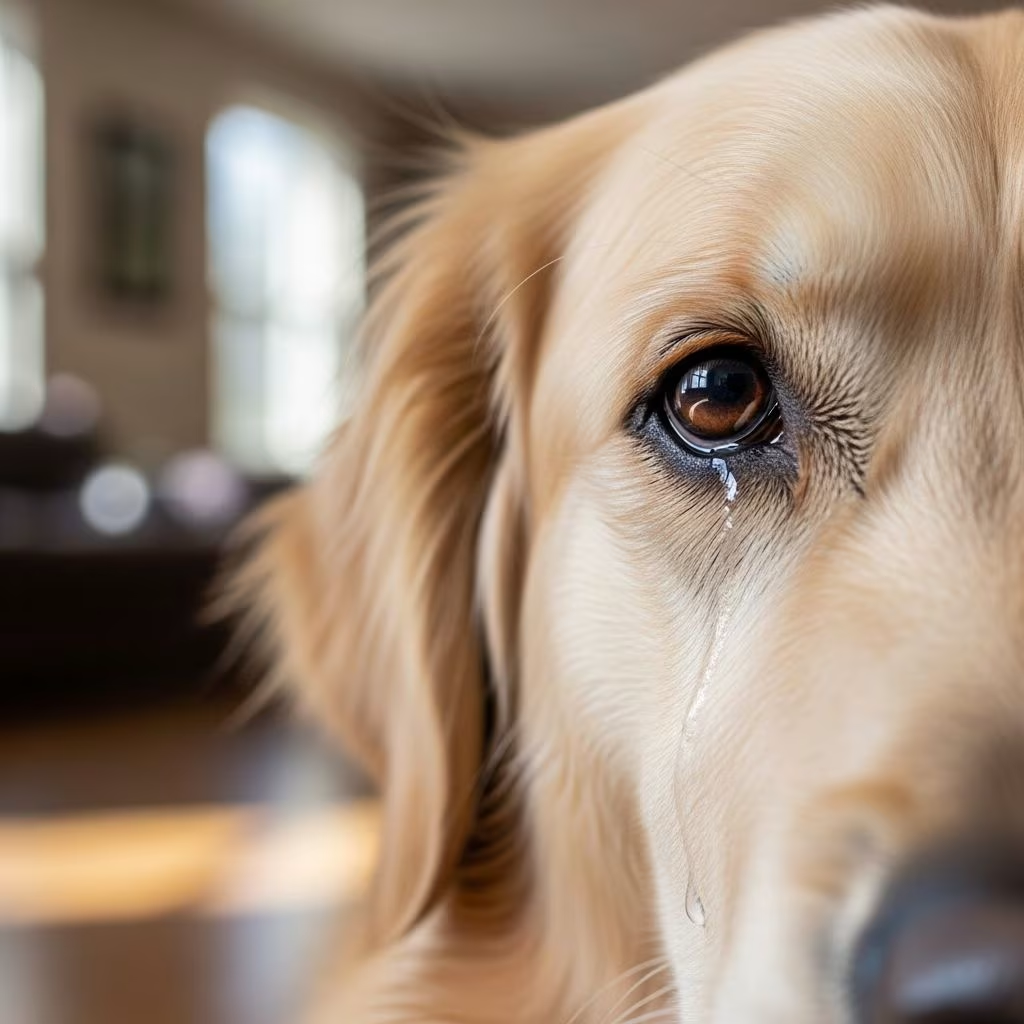
Dogs communicate a wide range of emotions through body language, vocalizations, and facial expressions, but do they cry tears of sadness or joy like humans? While dogs don’t produce emotional tears in the same way, recent research reveals they shed more tears during reunions with owners, linked to the bonding hormone oxytocin. This article examines the science, myths, and what excessive tearing in dogs truly means.
Understanding Canine Tears: Emotional or Physical?
Dogs possess tear glands similar to humans, but their tears primarily serve functional purposes like lubricating eyes, flushing out debris, and protecting against infection. Unlike human emotional crying, which involves the lacrimal glands producing tears in response to strong feelings, canine tears are not typically tied to sadness or happiness. However, a groundbreaking study published in Current Biology challenges this view, showing dogs produce significantly more tears when reunited with their owners after separation.
Researchers measured tear volume in 18 healthy dogs separated from owners for 5-7 hours. Results indicated heightened tear production upon reunion, accompanied by affiliative behaviors like tail wagging, face licking, and jumping. This response was specific to owners, not familiar non-owners, as confirmed in daycare tests with 20 dogs. Applying oxytocin eye drops further increased tearing, suggesting the ‘love hormone’—known for facilitating social bonds—triggers this reaction.
Limitations exist: The study didn’t specify breeds, potentially skewing results for flat-faced dogs like Shih Tzus with prominent eyes prone to tearing. All males were neutered, and while females produce more oxytocin, no emotional ‘crying’ was conclusively proven. Experts like Dr. Jerry Klein, AKC Chief Veterinary Officer, note these factors could influence outcomes.
- Key Study Findings:
- Tear volume higher post-separation reunion vs. baseline.
- Oxytocin application boosted tears.
- Humans rated teary-eyed dogs as more caregiving-worthy.
- No tears increase with familiar strangers.
Why Do Dogs Have Tears in Their Eyes?
Besides potential bonding responses, most canine tearing stems from physical causes. Common reasons include:
- Environmental Irritants: Dust, pollen, wind, or smoke can stimulate reflex tears to protect eyes.
- Allergies: Seasonal or food-related allergies cause itchy, watery eyes.
- Breeds with Anatomy Issues: Brachycephalic (short-nosed) breeds like Pugs and Bulldogs have shallow eye sockets, leading to chronic tearing.
- Infections: Conjunctivitis or dry eye (keratoconjunctivitis sicca) reduces tear quality, prompting overproduction.
- Blocked Tear Ducts: Congenital or injury-related blockages cause overflow tears.
- Foreign Objects: Eyelashes growing inward (distichiasis) or grass seeds irritate the cornea.
Owners often mistake these for ‘crying,’ but context matters. Yellow-green discharge signals infection; clear tears suggest irritation. Regular vet check-ups, especially for predisposed breeds, prevent complications.
How to Tell If Your Dog Is ‘Crying’
Dogs express distress through multifaceted signals, not just tears. Look beyond eyes:
| Sign of Distress | Description | Body Language Example |
|---|---|---|
| Whining/Howling | High-pitched vocalizations indicating pain, fear, or attention-seeking. | Pinned ears, tucked tail. |
| Whisker Trembling | Forward-pointing, quivering whiskers signal anxiety. | Avoidance of eye contact. |
| Yawning/Paw Licking | Displacement behaviors masking stress. | Lip licking, turning away. |
| Tail Position | Tucked or still tail shows fear/submission. | Lowered head, crouched posture. |
| Eye Shape | Stiff body, raised hackles. |
Observe clusters of signs. A dog whining with a tucked tail and trembling is likely upset. Video baseline behaviors to spot changes. Positive signs include relaxed ears, soft eyes, and loose wagging.
Do Dogs Cry From Pain?
Pain prompts physical tearing via reflex, but dogs mask it evolutionarily to avoid appearing weak. Subtle cues include:
- Guarding injured areas.
- Reluctance to move or play.
- Changes in appetite or sleep.
- Excessive panting or trembling.
- Altered gait or limping.
Chronic pain from arthritis or dental issues may cause consistent tearing. Acute injuries like corneal scratches lead to squinting and pawing. Consult a vet promptly; pain meds or surgery may be needed. The American Veterinary Medical Association emphasizes early intervention to improve quality of life.
Do Dogs Cry From Sadness?
No direct evidence shows dogs cry tears from sadness. Behaviors like pacing, loss of appetite, or hiding signal grief, often from loss of a companion or owner absence. Separation anxiety affects 14-40% of dogs, per veterinary studies, manifesting as destructive chewing or vocalizing—not tears.
Dr. Mary Burch, AKC Family Dog Program Director, attributes human empathy to ‘generalization’: We link tears to suffering. Dogs may evolve tear responses to elicit care, strengthening bonds, but it’s not sadness-driven. Comfort with routines, toys, and training helps.
When to Worry About Dog Tears
Occasional clear tears are normal; persistent or discolored ones warrant attention:
- Redness/Swelling: Infection or allergy.
- Pawing at Eyes: Foreign body or ulcer.
- Cloudy Discharge: Dry eye or glaucoma.
- One Eye Only: Injury or duct blockage.
- Accompanying Symptoms: Lethargy, sneezing, or odor.
Vets use fluorescein dye tests for ulcers and Schirmer tear tests for production. Treatments range from antibiotic drops to surgery. Prevent with eye-safe environments and breed-specific care.
Frequently Asked Questions (FAQs)
Q: Do dogs cry happy tears when seeing their owners?
A: Studies show increased tears upon reunion due to oxytocin, but not confirmed as ‘happy’ emotions—more likely a bonding response.
Q: Why does my dog have tears in one eye?
A: Often a blocked tear duct, injury, or infection. Monitor and see a vet if it persists over 24 hours.
Q: Can dogs cry from stress?
A: Stress causes physical tearing from irritants or dry eyes, paired with whining and pacing, but not emotional tears.
Q: How do I clean my dog’s tear stains?
A: Use vet-approved wipes daily; address underlying causes like diet or allergies for long-term fixes.
Q: Do puppies cry more tears than adult dogs?
A: Puppies have developing tear ducts, leading to more overflow, but excessive tears need checking for health issues.
Enhancing the Human-Dog Bond
Whether tears signal emotion or physiology, they underscore dogs’ deep attachments. Daily reunions boost oxytocin mutually. Train with positive reinforcement, provide mental stimulation, and read body language to foster trust. If tearing concerns you, professional advice ensures your pup’s eyes—and heart—stay healthy.
References
- Do Dogs Cry? Study Indicates Dog Tears Facilitate Canine-Human Bond — American Kennel Club (AKC). 2023-08-22. https://www.akc.org/expert-advice/news/dogs-cry-new-study-indicates-dog-tears-facilitate-canine-human-bond/
- Do dogs cry ‘happy tears’ when reunited with owners? — Science.org. 2023-08-22. https://www.science.org/content/article/do-dogs-cry-happy-tears-when-reunited-owners
- Current Biology Study on Dog Tears and Oxytocin — Cell Press (via AKC/Science summaries). 2023-08-22. https://www.cell.com/current-biology/fulltext/S0960-9822(23)01023-0



