

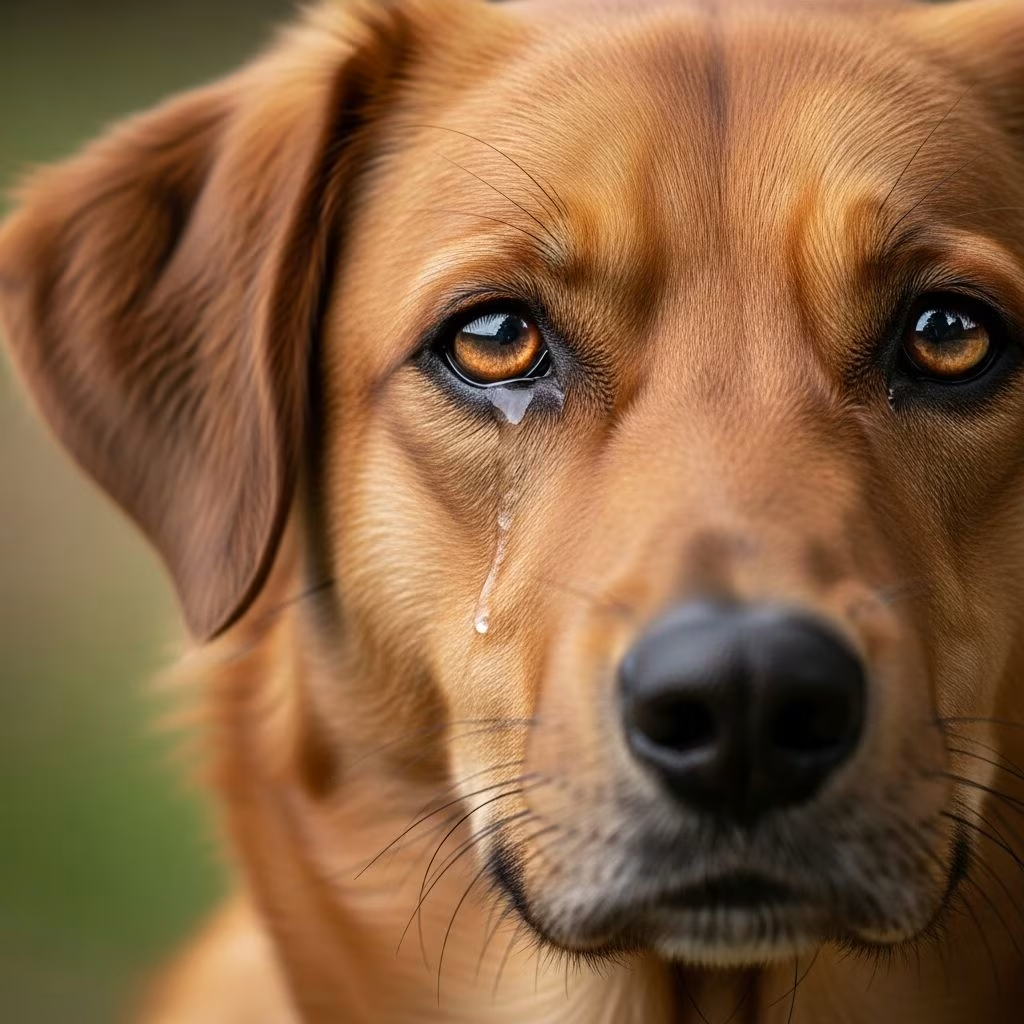
Many pet parents describe their dogs as family and often wonder whether their pups feel and show emotions the way humans do. Seeing moisture around a dog’s eyes or hearing them whine can lead to a common question: do dogs cry in the same emotional way that people do? Understanding the difference between emotional crying, normal tear production, and signs of distress or illness can help you respond to your dog with empathy and protect their health.
In this guide, you’ll learn what science says about dogs and tears, how dogs express sadness and other emotions, when watery eyes are medical rather than emotional, and how to comfort a dog who seems upset.
Do Dogs Cry Like Humans?
Humans are unique in producing visible tears specifically linked to complex emotions such as sadness, grief, or joy. Dogs do produce tears, but those tears serve primarily to lubricate and protect the eye, not to visibly express emotional pain in the same way we do.
That said, new research suggests that dogs may show subtle tear changes related to emotional bonding:
- A study published in Current Biology found that dogs produced more tears when reunited with their owners after several hours apart than when they were reunited with a familiar non-owner.
- When researchers applied the bonding hormone oxytocin to dogs’ eyes, tear production increased, suggesting a possible connection between bonding and tearing, though some experts question whether this is emotional or simply a physical effect of the hormone on the eye surface.
Researchers and behavior experts generally agree on two key points:
- Dogs likely do not cry emotional tears in the rich, symbolic human sense (e.g., weeping over a sad movie).
- Dogs do experience strong emotions and may have changes in tear production associated with bonding or stress, even if those tears are not the main way they communicate feelings.
How Dogs Show Sadness and Distress
Although they probably do not shed emotional tears like humans, dogs are highly expressive animals. Instead of crying, they rely on body language, vocalizations, and behavior changes to show distress, fear, or sadness.
Common Signs Your Dog May Be Sad or Anxious
- Whining or whimpering: Soft, repetitive vocalizations often indicate discomfort, anxiety, or a desire for attention or reassurance.
- Howling: Can signal loneliness or distress, especially when a dog is left alone or separated from family.
- Changes in posture: Tucked tail, hunched body, lowered head, or crouching can all be signs of fear, uncertainty, or sadness.
- Avoidance or hiding: Moving away from people, hiding under furniture, or avoiding eye contact may indicate emotional distress.
- Lethargy: Reduced energy, less interest in play, and more sleeping can reflect low mood or illness.
- Appetite changes: A dog that suddenly eats much less or more may be reacting to stress, change, or health problems.
It is important to remember that these signs can indicate both emotional and physical issues. If sadness-like behaviors persist or appear suddenly and severely, a veterinary check is recommended to rule out pain or illness.
Why Your Dog’s Eyes Water
Even if dogs do not typically shed emotional tears like humans, you may notice wetness around your dog’s eyes. This usually has a physical explanation rather than an emotional one. Tears play a vital role in eye health: they remove debris, provide lubrication, and help protect against infection.
Normal Tear Production
All dogs produce a baseline level of tears. Normally, tears drain through small openings (puncta) near the inner corner of the eye into the nasal passages. When this system works properly, you do not see obvious streams of tears, just a healthy, moist eye surface.
Certain breeds with shorter muzzles or prominent eyes may show mild staining around the eyes more often, but this can still be normal if there is no redness, squinting, or discomfort.
Common Non-Emotional Causes of Watery Eyes
- Environmental irritation: Wind, dust, smoke, or pollen can irritate the eye surface, leading to increased tearing.
- Allergies: Dogs can experience allergic reactions that affect the eyes, causing redness, itchiness, and tearing.
- Mild foreign material: A small hair or particle may briefly increase tears as the eye attempts to flush it out.
In these cases, tears are more of a protective mechanism than an emotional signal.
Medical Reasons for Excessive Tearing
Consistently watery eyes, discharge, or obvious discomfort can be a sign of an underlying medical issue that needs veterinary care. Eye problems can progress quickly in dogs, so prompt attention is important.
Potential Eye Conditions Behind Dog “Crying”
| Condition | What It Is | Common Signs |
|---|---|---|
| Conjunctivitis (“pink eye”) | Inflammation of the thin tissue lining the eyelid and eye surface. | Redness, swelling, squinting, clear or colored discharge, rubbing at eyes. |
| Blocked tear ducts | Partial or complete obstruction of tear drainage pathways. | Constant tearing, wet fur below the eyes, staining, sometimes mild swelling. |
| Corneal injury | Scratch, ulcer, or trauma to the clear surface of the eye. | Intense tearing, squinting, pawing at eye, sensitivity to light, visible cloudiness. |
| Entropion | Eyelids roll inward so lashes or hair rub on the cornea. | Excess tears, pain, squinting, recurrent infections, visible inward-rolling lid. |
| Glaucoma | Dangerously high pressure inside the eye. | Redness, cloudiness, tearing, enlarged eye, lethargy, severe pain; urgent emergency. |
Warning Signs You Should Never Ignore
- Sudden excessive tearing from one or both eyes
- Thick, yellow, green, or bloody discharge
- Red or swollen eyes
- Squinting or keeping one eye closed
- Cloudy or bluish eye surface
- Frequent pawing or rubbing at the eye
- Change in eye size (larger or shrunken)
If you notice any of these signs, contact a veterinarian as soon as possible, as some eye problems can cause permanent damage or vision loss if left untreated.
Do Dogs Cry Happy Tears?
The idea of happy tears in dogs is gaining scientific interest. The study in Current Biology and related reporting suggest that dogs may experience increased tearing during emotional reunions with their guardians.
- Dogs separated from their owners for several hours showed more tear production when reunited with them than when seeing a familiar non-owner.
- Photos of dogs with visible tears led people to report a stronger caregiving response, indicating that human observers react emotionally to canine tears, whether or not those tears are truly emotional.
- Oxytocin appeared to increase tear production, supporting a possible link between bonding hormones and tearing, though experts debate whether this reflects emotional crying or simply physiological change.
Behaviorists caution that while this research is intriguing, it does not conclusively prove that dogs cry from happiness the way humans do. It does, however, reinforce that the dog–human bond is emotionally significant for both species.
How Dogs Really Show Love and Attachment
Whether or not dogs cry emotional tears, they show love and attachment through many other clear signals. Paying attention to these behaviors will tell you far more about your dog’s feelings than moist eyes alone.
Positive Emotional Signals in Dogs
- Loose, wagging tail: A relaxed, sweeping tail wag (with a wiggly body) usually signals happiness and friendliness.
- Soft eye contact: Gentle, relaxed eye contact with slightly squinted eyes can indicate comfort and trust.
- Leaning or cuddling: Dogs that lean into you, curl up against you, or choose to rest by your side are usually showing attachment.
- Play bows: Front legs stretched forward, rear in the air, tail wagging – a classic signal of playful, positive emotion.
- Following you around: Many dogs shadow their guardians as a sign of bonding and a desire to stay close.
Helping a Dog Who Seems Sad or Stressed
If your dog appears down, anxious, or distressed, there are practical steps you can take to help. Because dogs are so sensitive to human emotions and routine, your calm and consistency matter.
Comforting an Upset Dog
- Maintain predictable routines: Regular meal times, walks, and sleep schedules help dogs feel secure.
- Offer gentle physical contact: Petting, brushing, or simply sitting nearby can be soothing if your dog seeks contact.
- Provide mental enrichment: Puzzle feeders, scent games, and training sessions provide distraction and stimulation.
- Create safe spaces: A quiet, comfortable area with a familiar bed or crate gives your dog a place to retreat.
When to Seek Professional Help
- Sad or anxious behavior lasts more than a few days.
- Your dog stops eating normally, loses weight, or seems persistently lethargic.
- You see signs of destructive behavior, self-harm (like excessive licking), or severe separation anxiety.
- Eye signs such as tearing are accompanied by redness, squinting, or discharge.
Consult your veterinarian first to rule out medical causes. They may then refer you to a qualified veterinary behaviorist or certified behavior professional for additional support if the problem is primarily emotional or behavioral.
Quick Comparison: Human vs. Dog “Crying”
| Feature | Humans | Dogs |
|---|---|---|
| Main purpose of tears | Eye protection + emotional expression | Eye protection and lubrication |
| Visible emotional weeping | Common with sadness, grief, joy | Not clearly proven; tears mostly physical |
| Primary emotional signals | Facial expressions, speech, tears | Body language, vocalizations, behavior changes |
| Scientific evidence of bonding-related tears | Well established | Emerging, with early studies suggesting possible effects during reunions with owners |
Frequently Asked Questions (FAQs)
Q: Do dogs cry real tears when they are sad?
Dogs produce tears, but current evidence indicates they do not visibly weep from sadness the way humans do. Their tears mainly protect and lubricate the eyes, while sadness or distress is more clearly shown through body language and vocalizations such as whining or withdrawal.
Q: Why does my dog’s eye look watery?
A mildly watery eye may result from normal tear production, minor irritation (like dust or wind), or breed-related anatomy. However, persistent tearing, colored discharge, redness, squinting, or swelling can indicate problems like conjunctivitis, blocked tear ducts, or more serious eye disease and should be checked by a veterinarian.
Q: Can dogs have happy tears when they see me?
A study in Current Biology suggests dogs may produce more tears when reunited with their owners, potentially linked to bonding hormones like oxytocin. Some scientists argue this does not yet prove true “happy tears” in the human sense, but it does support the idea that reunions are emotionally meaningful for dogs.
Q: My dog seems depressed. Should I be worried?
If your dog is less active, sleeping more, eating less, or avoiding interaction for more than a few days, it is wise to schedule a veterinary exam. Many signs that look like sadness can be caused by pain, illness, or age-related changes, and addressing those medical issues is the first step before assuming it is purely emotional.
Q: When is eye tearing an emergency for dogs?
Seek urgent veterinary care if your dog has sudden severe tearing, keeps an eye closed, shows marked redness, has thick or bloody discharge, or the eye appears cloudy, enlarged, or very painful. Conditions such as corneal ulcers or glaucoma can threaten vision and require immediate treatment.
References
- Do Dogs Cry? Study Indicates Dog Tears Facilitate Canine-Human Bond — American Kennel Club (AKC). 2022-08-25. https://www.akc.org/expert-advice/news/dogs-cry-new-study-indicates-dog-tears-facilitate-canine-human-bond/
- Do dogs cry ‘happy tears’ when reunited with owners? — Science. 2022-08-22. https://www.science.org/content/article/do-dogs-cry-happy-tears-when-reunited-owners
- Glaucoma in Dogs — American College of Veterinary Ophthalmologists (ACVO). 2021-01-01. https://www.acvo.org/common-conditions1/glaucoma
- Eye Conditions in Dogs — American Veterinary Medical Association (AVMA). 2020-06-01. https://www.avma.org/resources/pet-owners/petcare/eye-conditions-dogs



