

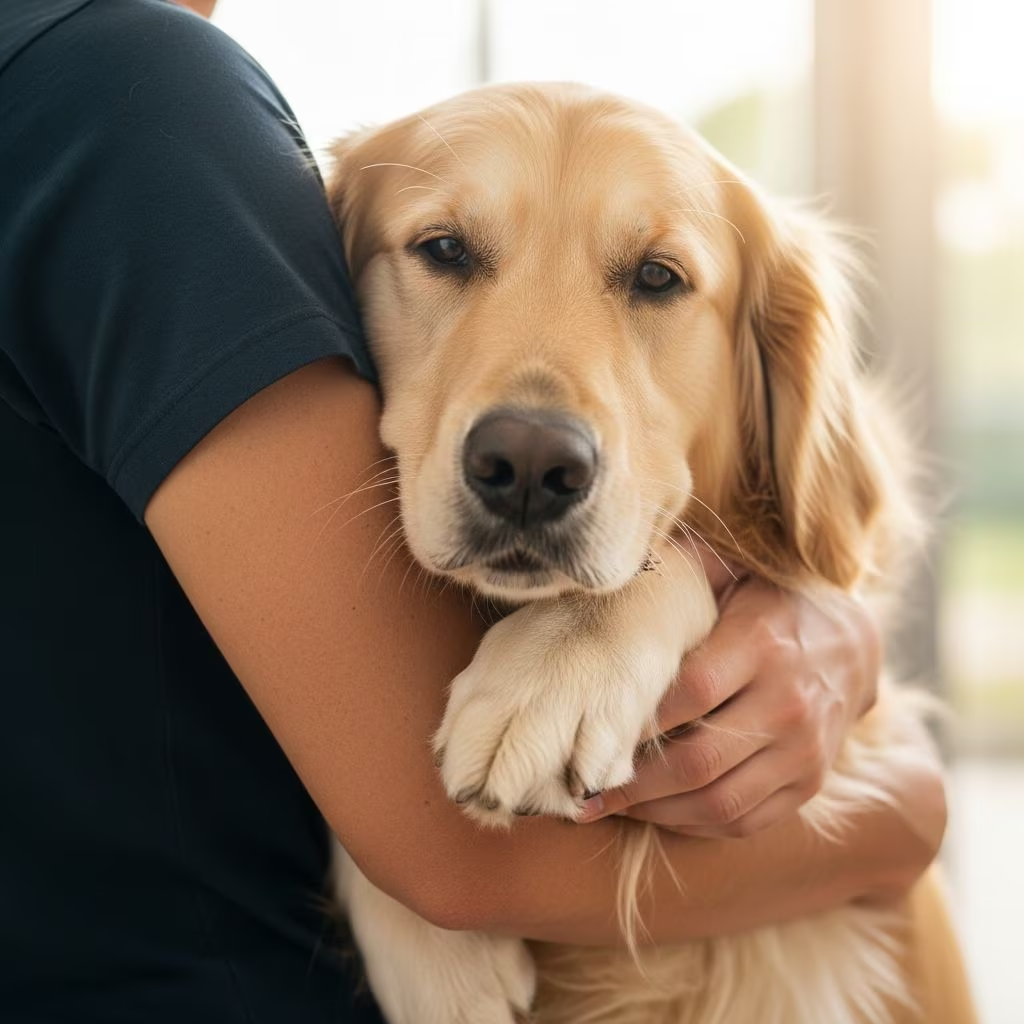
Many dog owners instinctively reach down to scoop their furry companions into their arms, envisioning a moment of pure affection. However, not all dogs share this enthusiasm for being lifted off the ground. While some breeds and individuals relish the closeness, others find it stressful, confusing, or even frightening. Understanding your dog’s true feelings about being picked up is crucial for building trust and preventing potential behavioral issues.
Dogs communicate primarily through body language, and ignoring these signals can lead to discomfort or eroded confidence in their human companions. This comprehensive guide dives deep into why some dogs dislike being held, the telltale signs of aversion, breed-specific tendencies, safe picking techniques, and training strategies to make handling a positive experience. By respecting your dog’s boundaries, you foster a stronger bond and ensure their emotional well-being.
Why Don’t Some Dogs Like Being Picked Up?
Dogs are descendants of wolves, pack animals that value control over their environment and mobility. Being lifted removes their paws from solid ground, triggering an innate sense of vulnerability. According to the American Kennel Club (AKC), dogs thrive on routine and autonomy, so abrupt lifts can mimic a predatory grab rather than loving embrace.
Several factors contribute to this dislike:
- Loss of Control: Dogs prefer having all four paws on the ground for stability and escape options. Elevation disrupts this natural posture, heightening anxiety.
- Past Trauma: Rescue dogs or those with rough handling histories may associate lifting with pain or fear, such as veterinary visits or abuse.
- Breed and Size: Small breeds like Chihuahuas are often carried more frequently from puppyhood, acclimating them somewhat, while large breeds like Great Danes rarely experience it and react strongly.
- Medical Conditions: Issues like arthritis, hip dysplasia, or abdominal sensitivity make lifting painful. Always consult a vet if sudden aversion appears.
- Personality and Socialization: Independent or under-socialized dogs view handling as an invasion of personal space.
Research from veterinary behaviorists emphasizes that forcing affection can increase stress hormones like cortisol, leading to long-term trust issues. Observing your dog’s baseline comfort is key.
10 Signs Your Dog Doesn’t Like Being Picked Up
Dogs rarely vocalize preferences outright, but their bodies speak volumes. Spot & Tango outlines 10 clear indicators of discomfort during handling, ranked from subtle to overt. Recognizing these early prevents escalation.
- Licking Lips or Yawning: These are classic stress signals, known as displacement behaviors. Your dog is appeasing or self-soothing amid nervousness.
- Heavy Panting or Pacing Afterward: Post-lift recovery signs indicate lingering anxiety. Normal cooling pant differs from rapid, shallow breaths.
- Hiding or Moving Away: Preemptive avoidance shows learned aversion. If your dog dodges your reach, respect the cue.
- Tail Tucking: A tucked tail signals fear or submission. Between-the-legs positioning is a red flag for vulnerability.
- Freezing or Becoming Very Still: This ‘freeze’ response is a prey instinct under threat. A rigid body means put them down immediately.
- Avoiding Eye Contact or Turning Away: Averting gaze communicates unease or desire for space. Direct stares can feel confrontational to dogs.
- Growling or Snarling: Vocal warnings precede bites. Never ignore; it erodes trust and risks injury.
- Whining or Whimpering: High-pitched vocalizations express distress or plea for release.
- Tensing Up: Muscle stiffening shows insecurity. A relaxed dog remains floppy and loose.
- Attempting to Squirm or Escape: Active resistance is the most blatant sign. Struggling means they desperately want down.
These cues often cluster; one sign warrants observation, multiples demand action. Video your interactions for objective review.
Signs Your Dog Actually Enjoys Being Picked Up
Not every tail tuck spells doom—many dogs adore cuddles. Positive indicators include:
- Leaning into your arms with relaxed muscles.
- Wagging tail held high and loose.
- Seeking eye contact and soft, open mouth (relaxed ‘smile’).
- Voluntary jumping into laps or nuzzling closer.
- Play bows or excited wiggling upon approach.
Happy dogs remain floppy, sigh contentedly, and settle quickly. Context matters: enjoyment during calm moments differs from tolerance under stress.
Breed Differences: Who Likes It More?
Breed plays a role due to historical roles and physical builds. Small lap dogs were selectively bred for portability:
| Breed Group | Tendency to Enjoy Pickup | Examples | Reasons |
|---|---|---|---|
| Toy Breeds | High | Chihuahua, Pomeranian, Yorkie | Bred as companions; accustomed to carrying. |
| Small Terriers | Moderate-High | Jack Russell, Boston Terrier | Energetic but portable; variable personalities. |
| Medium Hounds | Moderate | Beagle, Dachshund | Back issues common; prefer ground time. |
| Large Working Breeds | Low | Labrador, German Shepherd | Massive size; value independence. |
| Giant Breeds | Very Low | Mastiff, Great Dane | Impractical; often untrained for it. |
Akc.org notes toy breeds score higher in ‘affectionate handling’ surveys. Always individualize—breed is a guideline, not rule.
How to Safely Pick Up Your Dog
Proper technique minimizes stress and injury:
- Approach Calmly: From the front or side, avoid looming overhead.
- Support Fully: One arm under chest, other cradling hindquarters. Never grab legs or belly.
- Lift Smoothly: Bend knees, keep close to body; no swinging.
- Watch Cues: Pause if tension appears; lower gently.
- Time Limits: Keep sessions short (under 1 minute) initially.
For large dogs, two-person lifts or ramps are safer. Vets recommend slings for seniors.
Training Your Dog to Enjoy Being Picked Up
Desensitization builds tolerance:
- Start Positive: Pair lifts with treats/toys from puppyhood.
- Gradual Exposure: Touch, lift inches, full hold over sessions.
- Use Commands: ‘Up’ cue with rewards; ‘Down’ for release.
- Positive Reinforcement: Praise calm behavior; ignore fussing.
- Professional Help: Trainers for fearful cases.
Consistency yields results in weeks. Patience prevents force, which backfires.
Alternatives to Picking Up Your Dog
Respect boundaries with these:
- Leash Walks: Close without lifting.
- Ramps/Stairs: For furniture access.
- Pet Slings/Carriers: Optional training for travel.
- Ground Play: Tummy rubs, fetch for bonding.
Quality time trumps forced cuddles.
Frequently Asked Questions (FAQs)
What if my puppy hates being picked up?
Start training early with positive associations. Consult a vet to rule out pain.
Is it okay to pick up a scared rescue dog?
Go slow; prioritize trust-building. Use treats and short sessions.
Why does my small dog love it but large one hates it?
Size and habituation differ. Small dogs are handled more routinely.
Can medical issues cause sudden dislike?
Yes—arthritis or injuries. Vet check recommended.
How long to train a dog to tolerate picking up?
2-6 weeks with daily practice, varying by dog.
References
- Do Dogs Like Being Picked Up? 10 Signs Your Dog Doesn’t Like It — Spot & Tango. 2023. https://www.spotandtango.com/blog/do-dogs-like-being-picked-up
- Dog Care & Wellness: Handling and Restraint — American Veterinary Medical Association (AVMA). 2024-05-15. https://www.avma.org/resources-tools/pet-owners/petcare/handling-your-pet
- Canine Body Language: Stress Signals — ASPCA. 2023-11-01. https://www.aspca.org/pet-care/dog-care/common-dog-behavior-issues/body-language
- Breed Standards and Temperament — American Kennel Club (AKC). 2025-01-10. https://www.akc.org/expert-advice/training/breed-temperament-handling/
- Stress and Cortisol in Dogs During Handling — Journal of Veterinary Behavior (DOI:10.1016/j.jveb.2022.03.005). 2022. https://doi.org/10.1016/j.jveb.2022.03.005



