

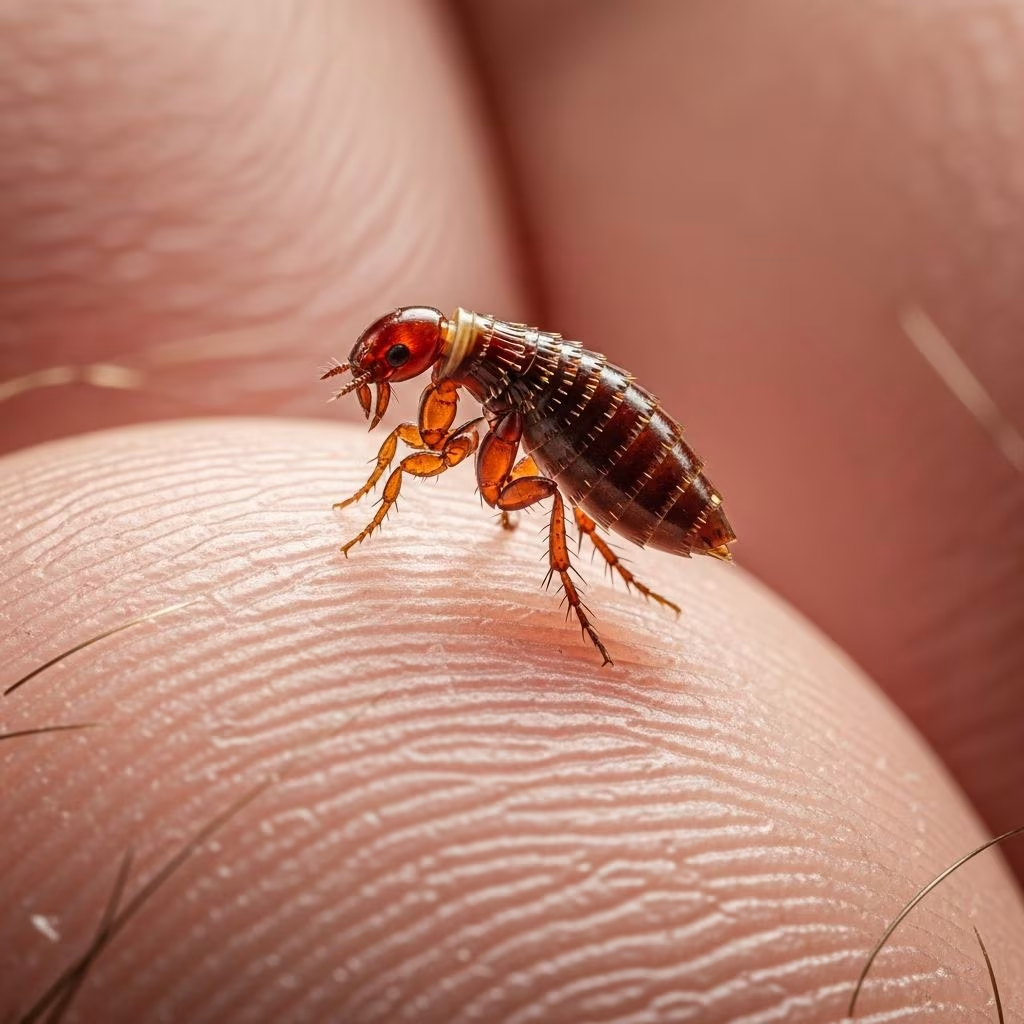
Dog fleas primarily target canines but can bite humans, causing discomfort without establishing a permanent residence on people. These parasites seek warm-blooded hosts, jumping onto humans opportunistically during infestations but preferring dogs for feeding and reproduction.
Understanding Flea Biology and Human Interaction
Fleas belong to the order Siphonaptera, with the cat flea (Ctenocephalides felis) and dog flea (Ctenocephalides canis) most common in households. These insects thrive on animal blood, laying eggs in fur that fall into environments like carpets and bedding. Humans lack the hair density and blood type preferences fleas favor, so bites occur transiently.
A single female flea consumes up to 15 times her body weight daily in blood, leading to rapid population growth if unchecked. Eggs hatch into larvae feeding on organic debris, pupating before emerging as adults ready to jump up to 12 inches vertically. This life cycle explains why environmental control is crucial beyond pet treatment.
Signs That Dog Fleas Are Biting Humans
Human flea bites manifest as small, red, intensely itchy welts, often in clusters on ankles, legs, and waistlines where clothing meets skin. Unlike mosquito bites, flea punctures show a central red dot surrounded by a halo, persisting 2-5 days if scratched.
- Persistent itching: Worse at night, leading to scratching and potential secondary infections.
- Flea dirt evidence: Tiny black specks (flea feces) on skin or clothing, turning red when wet with saliva.
- Allergic reactions: Raised hives or flea allergy dermatitis in sensitive individuals, causing widespread rashes.
- Household clues: Pets excessively scratching, visible fleas jumping, or dark specks on socks after walking indoors.
In severe cases, repeated exposure may trigger insomnia from itching or bacterial infections like impetigo from broken skin. Children and immunocompromised individuals face higher risks.
Health Risks Beyond Itching
While fleas do not infest humans long-term, they transmit pathogens. Dog fleas vector tapeworms (Dipylidium caninum) via ingestion of infected fleas, causing abdominal pain and weight loss in rare human cases. Bacterial agents like Bartonella (cat scratch disease) or Rickettsia typhi (murine typhus) pose systemic threats, with symptoms including fever and swollen lymph nodes.
Allergic hypersensitivity affects 5-15% of people, per veterinary dermatology insights, exacerbating dermatitis. Prompt intervention minimizes these dangers, emphasizing why pet owners must act swiftly.
Step-by-Step Guide to Eliminating Fleas from Your Dog
Treating the pet halts the infestation source. Consult a veterinarian for tailored products, avoiding over-the-counter options with resistance issues.
- Bathe with flea shampoo: Use vet-approved formulas lathering for 10 minutes to drown adults, targeting hidden areas like ears, armpits, and tail base.
- Apply preventatives: Topicals (e.g., fipronil), orals (e.g., spinosad), or collars providing 1-8 months protection by disrupting flea life stages.
- Comb daily: Flea combs remove stragglers; dip in soapy water to kill them. Focus on neck, belly, and groin.
Monitor for 2-4 weeks, as eggs persist. Year-round prevention suits most climates due to indoor survival.
Comprehensive Home Decontamination Strategies
Fleas spend 95% of time off-host, necessitating environmental cleanup. A multi-pronged approach eradicates eggs, larvae, and pupae.
| Area | Action | Frequency |
|---|---|---|
| Carpets & Rugs | Vacuum daily, focusing on edges and under furniture; discard bag outdoors | 2-3 weeks |
| Pet Bedding | Wash in 60°C+ water; dry on high heat | Weekly |
| Furniture & Upholstery | Vacuum crevices; apply EPA-approved sprays targeting eggs | Bi-weekly |
| Hard Floors | Mop with hot soapy water; steam clean if possible | Daily |
| Yard | Mow grass, remove debris; treat shaded spots with nematodes | Monthly |
Sprays like insect growth regulators (e.g., methoprene) prevent larval development. Repeat vacuuming stimulates pupae to emerge. Full clearance takes 2-3 months.
Preventing Future Flea Infestations
Proactive measures ensure long-term control. Integrate into routine pet care.
- Vet-prescribed prophylactics: Monthly topicals/orals kill fleas before reproduction.
- Grooming regimen: Weekly baths and brushing detect early signs.
- Hygiene protocols: Handwashing post-pet contact; discourage barefoot walking in flea-prone areas.
- Multi-pet coverage: Treat all animals, as cat fleas cross-infest.
- Limit exposure: Avoid stray animal contact; inspect after park visits.
Budget-friendly subscriptions aid compliance, covering lifestyle needs.
Treating Flea Bites on Humans
Alleviate symptoms promptly to prevent complications.
- Clean bites with soap/water; apply hydrocortisone cream or calamine lotion for itch relief.
- Oral antihistamines (e.g., loratadine) reduce swelling; cool compresses soothe.
- Monitor for infection signs like pus or fever; seek medical care if needed.
- Avoid scratching to prevent cellulitis.
Symptoms resolve in 3-7 days with care. Persistent reactions warrant allergy testing.
FAQs
Can dog fleas lay eggs on humans?
No, fleas require specific conditions on animal hosts or environments for egg-laying; human skin does not support this.
How long do fleas live without a host?
Adults survive 1-2 weeks starving, but eggs/pupae endure months in homes.
Are flea collars safe for households with children?
Vet-recommended collars like Seresto are low-odor and effective; follow usage guidelines.
What if my dog is on flea prevention but still has fleas?
Resistance or environmental re-infestation; consult vet for alternatives.
Do fleas spread diseases to humans frequently?
Rarely in developed areas, but possible via bacteria or tapeworms; prevention is key.
Expert Tips for Flea-Free Living
Veterinarians stress integrated pest management: combine chemical, mechanical, and cultural controls. Track seasonal peaks (spring/summer) for heightened vigilance. For multi-pet homes, synchronize treatments. Indoor-only dogs still need protection due to visitor or neighbor fleas.
Empower your household with knowledge: fleas affect 1 in 5 U.S. dogs annually, per surveys, underscoring prevention’s importance.
References
- Risks of Dog Parasites in Humans — Billings Animal Family Hospital. 2023. https://billingsanimalfamilyhospital.com/post/risks-of-fog-parasites-in-humans
- Can dog fleas infect humans? — Itch Pet. 2024. https://www.itchpet.com/blog/post/can-dog-fleas-infect-humans
- Can Humans Get Fleas From Dogs: 5 Signs of Fleas — Pet Friendly Box. 2023. https://petfriendlybox.com/resource-center/can-humans-get-fleas-from-dogs
- Can Humans Get Fleas From Dogs? — Chewy Education. 2024. https://www.chewy.com/education/dog/flea-and-tick/can-humans-get-fleas-from-dogs
- Can Cat & Dog Fleas Spread to Humans? — Lincolnway Veterinary Clinic. 2023. https://lincolnwayvet.com/blog/can-cat-and-dog-fleas-spread-to-humans/



