

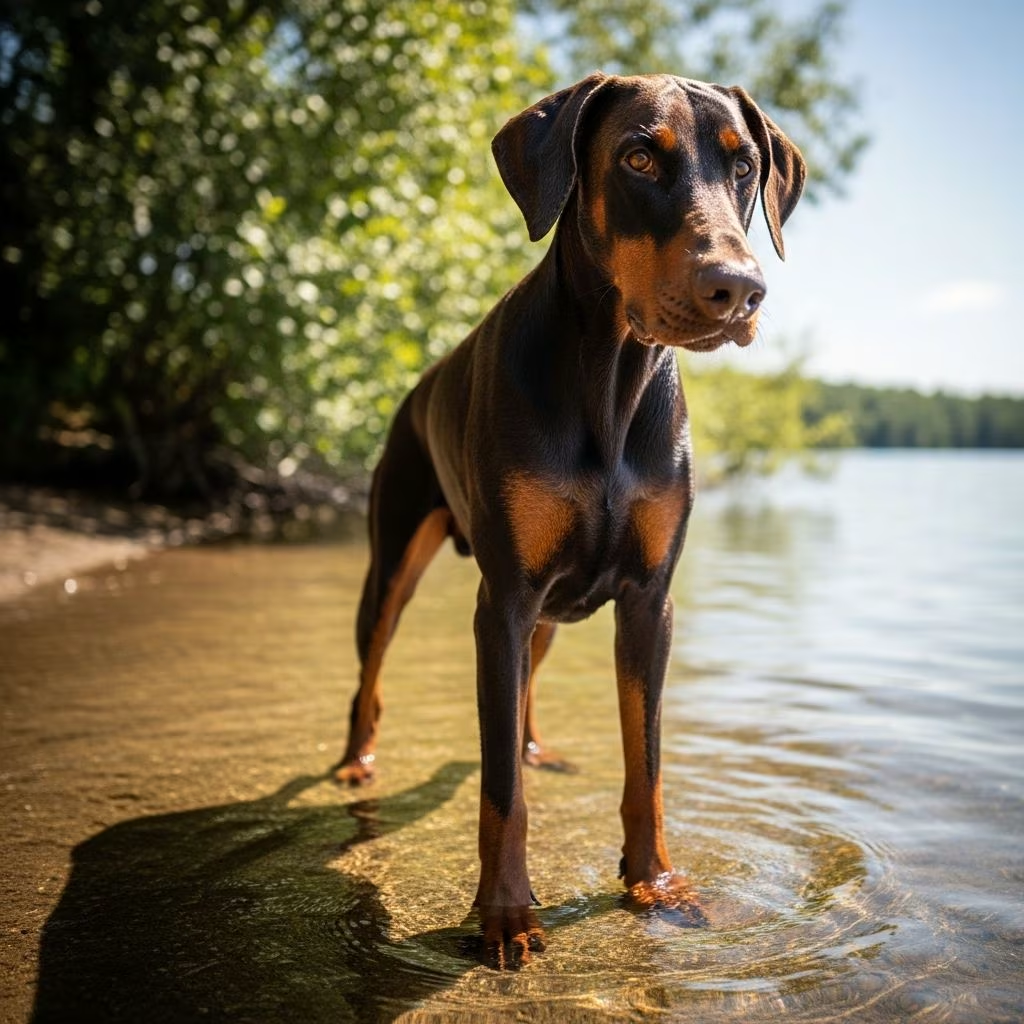
Dobermans possess compact, cat-like feet without significant webbing between their toes, designed for speed, agility, and endurance rather than aquatic activities. These paws feature short, tight toes and well-arched structures that provide excellent traction on land, distinguishing them from water-oriented breeds.
Understanding Doberman Paw Characteristics
The Doberman Pinscher’s feet are described in breed standards as well-arched, compact, and catlike, with short, tight toes that do not turn in or out. This structure supports their role as agile working dogs, enabling quick turns and sprints without the added skin membrane found in webbed varieties. Dobermans typically exhibit hare-foot shapes in some lines, where central toes are elongated for enhanced speed, similar to Greyhounds.
Compact paws in Dobermans result from a shortened third digit, earning them the ‘cat feet’ designation, which prioritizes stability and power over paddling efficiency. Unlike breeds bred for water retrieval or digging, Doberman paws focus on load-bearing and shock absorption during high-speed pursuits.
Core Elements of Canine Paw Anatomy
Dog paws consist of specialized components that ensure mobility, protection, and sensory feedback. Here’s a breakdown:
- Digital Pads: Four small, rounded cushions under each toe, absorbing shock and distributing weight as dogs walk on their toes.
- Metacarpal/Metatarsal Pads: Large central pads on front (metacarpal) and rear (metatarsal) paws, providing primary shock absorption and terrain sensing.
- Carpal Pad: Cone-shaped pad on front legs above the wrist, aiding braking, turning, and stability on slopes without ground contact during normal gait.
- Dewclaw and Pad: Optional fifth digit higher on the leg, with a small pad; floppy types are prone to injury, while attached ones offer more stability.
- Claws: Curved nails for traction, digging, and grip, requiring regular trimming to prevent overgrowth.
These elements contain fatty tissue for cushioning, sweat glands for cooling, and tough outer layers for terrain protection. Pads vary in thickness by breed, with rougher surfaces enhancing grip for sprinting breeds like Dobermans.
Defining Webbed Feet in Dogs
Webbing refers to extended skin membranes between toes, beyond the minimal connective tissue all dogs have. This trait aids swimming by increasing surface area for propulsion, mud navigation, snow traversal, and digging efficiency.
While all canines have some interdigital skin, true webbing extends significantly up the toes, resembling amphibious adaptations. It tolerates hot surfaces better and supports tasks like retrieving from water or burrowing.
Dobermans vs. Webbed-Foot Breeds: A Comparison
Dobermans lack pronounced webbing, prioritizing land-based performance. Their cat-like feet excel in agility and endurance.
| Breed Type | Paw Structure | Primary Advantages | Example Breeds |
|---|---|---|---|
| Non-Webbed (Cat/Hare Feet) | Compact, short toes, minimal skin | Speed, quick turns, stability | Doberman Pinscher, Greyhound, Akita |
| Webbed | Extended skin membrane | Swimming, mud/snow traction, digging | Labrador Retriever, Portuguese Water Dog, Dachshund |
Webbed breeds like Labradors and Newfoundlands use this for water work, while Dobermans’ structure suits guarding and protection.
Advantages and Drawbacks of Doberman Paws
Strengths for Performance
Compact paws provide superior shock absorption for high-impact activities, with thick pads enduring rough terrain. The arched, tight toes prevent splaying, ensuring precise movement and reducing injury risk during sprints.
Potential Challenges
Without webbing, Dobermans may struggle in deep mud or snow compared to specialized breeds. Dewclaws, if present, require monitoring to avoid tears, especially floppy varieties. Over time, pads can thin from wear, necessitating care.
Health Maintenance for Doberman Paws
Regular inspection prevents issues like cracks, infections, or overgrown nails. Clean paws after walks to remove debris, and moisturize dry pads with vet-approved balms.
- Trim nails monthly to maintain traction.
- Check for cuts, swelling, or limping; consult vets for persistent problems like diabetes-related pad changes.
- Protect from extreme temperatures: boots for hot pavement or ice melt.
- Moisturize and file rough pads for comfort.
For Dobermans, focus on strengthening exercises like agility training to leverage their natural paw strengths.
Training Dobermans Around Water Despite Paw Type
Though not webbed, Dobermans can enjoy water play with gradual introduction. Use life jackets for safety, starting in shallow pools to build confidence. Their athletic build aids learning strokes, but avoid forcing swims in rough conditions where webbing would help.
Frequently Asked Questions (FAQs)
Can Dobermans swim well without webbed feet?
Yes, many Dobermans swim proficiently due to their strong musculature, though they tire faster than webbed breeds in prolonged water work.
Should I remove my Doberman’s dewclaws?
Consult a breeder or vet; standards prefer natural feet, but rear dewclaws are often removed at birth to prevent snags.
How do I tell if my dog’s feet are webbed?
Spread toes: minimal skin is normal; pronounced membrane indicates webbing.
Are Doberman paws prone to specific problems?
They may develop pad cracks from dry climates or allergies; regular care mitigates this.
Do all Dobermans have identical foot shapes?
Variations exist, but standards emphasize compact, cat-like feet without splaying.
Conclusion: Embracing Doberman Paw Perfection
Doberman paws are engineered for excellence on terra firma, with no need for webbing. Understanding their anatomy empowers owners to provide optimal care, enhancing their dog’s performance and longevity.
References
- Dog Paw Anatomy 101 (Plus 7 Paw Problems) — ToeGrips. 2023. https://toegrips.com/dog-paw-anatomy/
- Understanding Your Dog: Her Sensational Paws — TP Feeds. 2023. https://www.tpfeeds.co.uk/blog/read_185907/understanding-your-dog-her-sensational-paws.html
- Dog Paw Anatomy: Everything You Need To Know — LuckyTail. 2024. https://luckytail.com/blogs/pet/dog-paw-anatomy
- 6 Things You Didn’t Know About Dog Paw Anatomy — Outward Hound. 2023. https://outwardhound.com/furtropolis/dogs/dog-paw-anatomy
- Dog Owner’s Guide: Canine feet — Canis Major. 2022. http://www.canismajor.com/dog/feet.html
- Illustrated Standard — Doberman Pinscher Club of America (DPCA). 2024. https://dpca.org/judges-education/illustrated-standard/



