

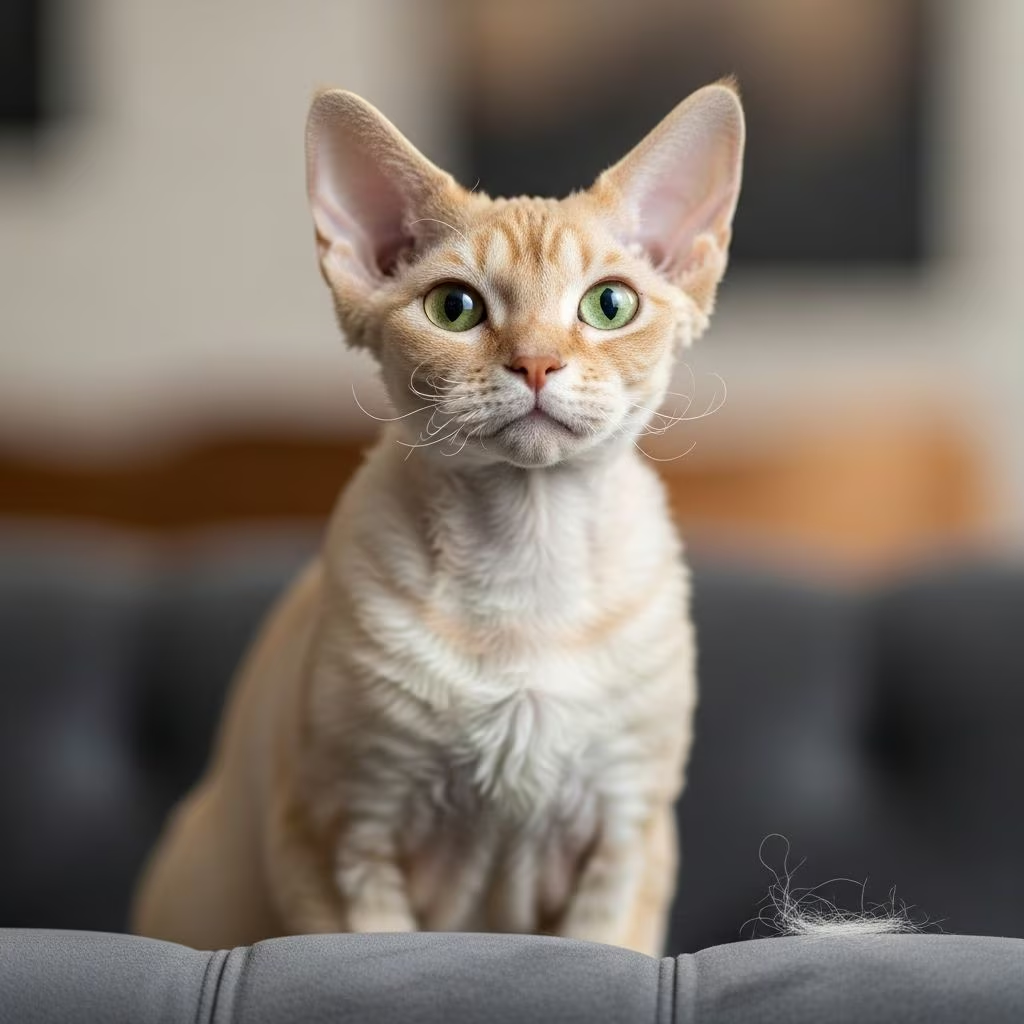
The Devon Rex cat captivates with its elf-like ears, large expressive eyes, and soft, wavy coat that gives it a pixie-like charm. This breed’s playful personality and affectionate nature make it a beloved companion, but many prospective owners wonder about shedding. Devon Rex cats do shed, yet they are classified as low-shedding due to their unique coat structure. Their fine, sparse hairs shed seasonally, primarily in spring and fall, often going unnoticed compared to heavier-shedding breeds. This article delves into their shedding habits, coat genetics, grooming routines, health indicators, and more to help you decide if a Devon Rex fits your lifestyle.
Do Devon Rex Cats Shed a Lot?
No, Devon Rex cats do not shed a lot. They are renowned as low-shedding felines, with their shedding most prominent during seasonal changes like spring and fall when cats naturally renew their coats. The hair is exceptionally fine and wavy, making loose strands less visible on furniture, clothing, or floors. Unlike double-coated breeds that leave tufts everywhere, Devon Rex fur tends to cling to their body or get trapped in the curls, reducing noticeable fallout. However, this same curly texture can mat dead hairs, necessitating consistent grooming to prevent buildup and maintain skin health. Regular brushing not only minimizes what little shedding occurs but also distributes natural oils, enhancing coat shine and reducing dander.
Devon Rex Cats and Their Curly Hair
The hallmark of the Devon Rex is its curly, soft coat, resulting from a spontaneous genetic mutation in the KRT71 gene, which affects keratin production in hair follicles. This rex gene produces a single-layered coat lacking the dense guard hairs and undercoat found in most cats, leading to sparse coverage that feels like downy fuzz. The waves or curls trap body heat efficiently, aiding insulation despite the thin fur, which explains their love for warm spots. This structure inherently lowers shedding volume since there’s less hair to lose. Owners often report finding minimal fur during routine cleaning, though weekly combing with a soft brush or grooming glove is vital to remove trapped dead hairs and prevent matting, especially around the neck, tail, and belly where curls are thickest.
Is the Devon Rex Hypoallergenic?
No cat breed is truly hypoallergenic, as allergies stem from Fel d 1 protein in saliva, skin dander, and urine, not just shed hair. Devon Rex cats produce less dander due to their sparse coat, potentially making them more tolerable for mild allergy sufferers. Their low-shedding nature means fewer allergens scatter through the air or settle on surfaces. Studies from veterinary sources confirm rex breeds like Devon Rex rank lower on allergen scales compared to straight-haired cats, but individual sensitivity varies. Spend time with the breed before adoption, and consider air purifiers or frequent cleaning to manage symptoms effectively.
Signs That a Devon Rex’s Coat Is Unhealthy
Monitoring your Devon Rex’s coat reveals much about their overall health. Healthy coats appear glossy, with intact curls free of mats. Warning signs include:
- Dry or brittle fur: Lacking moisture, often from poor diet or dehydration.
- Excessive shedding: Beyond seasonal norms, signaling nutritional gaps or parasites.
- Dandruff or flaking: White specks indicate dry skin, possibly from omega-3 deficiencies.
- Bald spots or thinning: Could stem from alopecia, stress, or fungal infections like ringworm.
- Bumps, redness, or lesions: Suggests allergies, mites, or bacterial issues requiring vet intervention.
If noticed, consult a veterinarian promptly. They may recommend bloodwork, skin scrapes, or dietary adjustments. Routine check-ups catch issues early, as Devon Rex’s sensitive skin predisposes them to dermatitis.
Cat Breeds That Shed Less
For fur-minimal homes, several breeds rival the Devon Rex. Here’s a comparison:
| Breed | Coat Type | Shedding Level | Grooming Needs | Notable Traits |
|---|---|---|---|---|
| Sphynx | Hairless (fine fuzz) | None | Weekly baths | Warm-loving, social |
| Bengal | Short, glossy | Low | Weekly brush | Active, spotted |
| Oriental Shorthair | Short, sleek | Low | Occasional | Vocal, slender |
| Balinese | Medium, silky | Low-moderate | Weekly comb | Siamese-like, elegant |
| Cornish Rex | Short, wavy | Low | Weekly brush | Playful, similar to Devon |
All shed somewhat, but these minimize cleanup. Choose based on personality and care commitment.
Other FAQ About the Devon Rex’s Coat
What Type of Food Should I Feed My Devon Rex?
Opt for high-quality, protein-rich diets with omega-3 and omega-6 fatty acids to support coat health. Kibble or wet food formulated for sensitive skin, like those with fish oil, promotes luster and reduces dryness. Consult your vet for breed-specific recommendations, avoiding fillers that exacerbate shedding.
Are There Any Other Considerations I Should Keep in Mind When Caring for a Devon Rex?
Devon Rex skin is thin and oily, prone to acne or sunburn. Use vet-approved wipes for spot cleaning, protect from cold with sweaters, and ensure flea prevention. High energy demands interactive play; neglect leads to destructive behavior.
Does a Devon Rex Have Any Other Unique Needs?
Highly social, they thrive with companionship and mental stimulation. Provide puzzle toys, vertical spaces, and daily play. Monitor for genetic issues like hypertrophic cardiomyopathy (HCM) or patellar luxation via breeder health testing.
Will a Sweater Help Control My Cat’s Shedding?
No, sweaters provide warmth but don’t impact shedding rates. Focus on grooming and diet for control.
Is There Anything Special I Should Do to Care for My Devon Rex’s Coat in the Summer?
Keep cool with shaded areas, fans, and hydration. Brush daily to remove loose fur, bathe monthly with gentle shampoo if oily, and trim nails to prevent scratches on bare skin patches.
Frequently Asked Questions (FAQs)
What makes Devon Rex cats low-shedding?
Their single-coated, curly fur from a rex gene mutation results in fine, sparse hair that sheds minimally, especially outside seasonal periods.
Can Devon Rex cats trigger allergies?
Less likely due to reduced dander, but not hypoallergenic. Test exposure personally.
How often should I groom a Devon Rex?
2-3 times weekly with a soft brush to detangle curls and remove dead hair.
Do Devon Rex cats need baths?
Occasionally, every 4-6 weeks, using cat-specific products to manage oiliness without stripping oils.
Are Devon Rex good for apartments?
Yes, their low shedding and moderate size suit small spaces, provided they get playtime.
Devon Rex cats offer companionship with minimal fur hassle. Proper care ensures a healthy coat and joyful pet. Regular vet visits, nutrition, and affection maximize their delightful traits.
References
- Do Devon Rex Cats Shed a Lot? Vet-Verified Tips to Reduce Cat Shedding — Catster. 2023-10-15. https://www.catster.com/cat-health-care/do-devon-rex-cats-shed-a-lot/
- Devon Rex Cat Breed Health and Care — PetMD. 2024-05-20. https://www.petmd.com/cat/breeds/devon-rex
- Genetics of the Rex Coat in Cats — Cornell University College of Veterinary Medicine. 2022-08-10. https://www.vet.cornell.edu/departments-centers-and-institutes/cornell-feline-health-center/health-information/feline-health-topics/coat-color-and-patterns-cats
- Feline Allergens and Hypoallergenic Breeds Review — Journal of Allergy and Clinical Immunology (PubMed). 2023-03-12. https://pubmed.ncbi.nlm.nih.gov/36868294/
- Cat Shedding Patterns and Management — American Veterinary Medical Association (AVMA). 2024-01-08. https://www.avma.org/resources-tools/pet-owners/petcare/cat-grooming-and-shedding



