

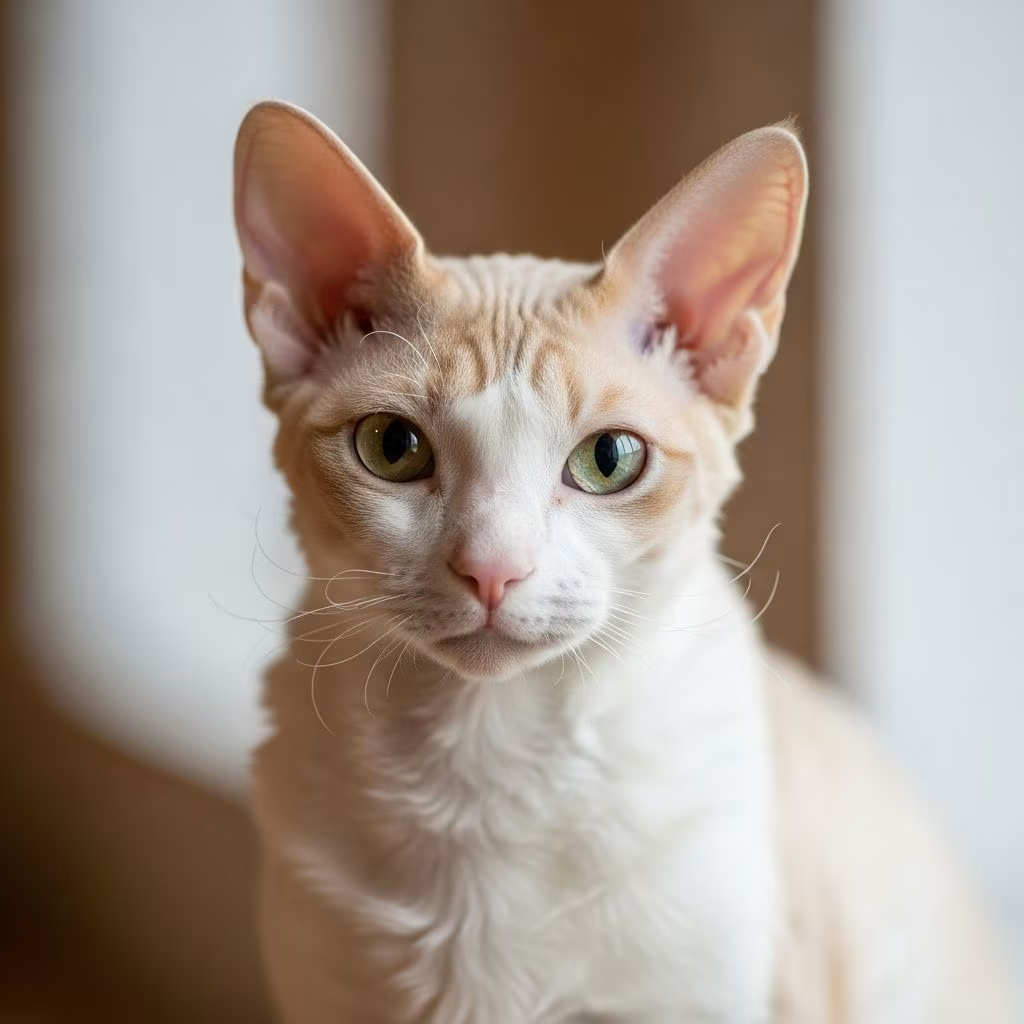
Cornish Rex cats are beloved for their playful personalities and distinctive wavy coats that resemble a soft, rippling washboard. These short-haired felines shed significantly less than the average cat thanks to their unique single-layer fur structure, lacking coarse guard hairs.However, they are not truly hypoallergenic, as they still produce dander and minimal fur that can trigger allergies in sensitive individuals.
This low-shedding trait makes them appealing for busy owners or those concerned about pet hair, but understanding their coat biology, grooming needs, and allergy realities is essential. Originating from a genetic mutation in 1950s Cornwall, England, the Cornish Rex has captivated cat enthusiasts with its dog-like energy and affectionate nature. They gallop, fetch, and crave interaction, thriving in active households but potentially becoming anxious if left alone too long.
In this comprehensive guide, we’ll dive into their shedding habits, coat care, allergy considerations, similar breeds, and more to help you decide if a Cornish Rex is right for your home.
What Makes the Cornish Rex Coat Unique?
The hallmark of the Cornish Rex is its marcel-waved, soft undercoat that forms tight curls close to the skin. Unlike most cats with a double or triple coat—including guard hairs, awn hairs, and down—the Cornish Rex has only the soft down layer. This single-layer fur is finer, shorter, and lies flat, resulting in minimal shedding.
Guard hairs, which are coarser and more durable, are absent, so there’s less loose fur to scatter around your home. The curls trap dander and oils, reducing airborne allergens compared to straight-coated breeds. Follicle density is lower, meaning hairs cling longer before shedding naturally.
- Single-layer structure: Just down hairs, no guard or awn hairs for protection.
- Wavy texture: Curls hold particles close to the body, limiting dispersal.
- Oil-rich skin: Produces natural sheen but requires occasional help to distribute evenly.
This coat evolved from a barn cat mutation and is recognized by bodies like The Cat Fanciers’ Association for its low-maintenance appeal. Owners report vacuuming far less, with fur tumbleweeds rare even during seasonal changes.
Do Cornish Rex Cats Shed? How Much?
Cornish Rex cats shed very little—far below average domestic shorthairs. Their fur doesn’t form large clumps or float extensively, making them ideal for apartments or homes with light cleaning routines.
Seasonal shedding occurs in spring and fall as with all cats, but the volume is negligible. A weekly wipe-down suffices for most. Studies on feline coat genetics confirm rex breeds like Cornish shed 50-70% less due to absent guard hairs, which dominate litter in typical cats.
| Coat Comparison | Shedding Level | Typical Fur Loss Weekly |
|---|---|---|
| Cornish Rex | Minimal | <5% of coat |
| Average Shorthair | Moderate | 10-20% seasonally |
| Longhair (e.g., Persian) | High | 20-40% |
Minimal shedding doesn’t mean zero; expect some fur on fabrics, especially if your cat lounges frequently. Regular self-grooming keeps it tidy, but oily skin can lead to greasiness if neglected.
Are Cornish Rex Cats Hypoallergenic?
No cat is 100% hypoallergenic, including the Cornish Rex. Allergies stem from Fel d 1 protein in saliva, skin glands, and urine—not just fur. Fur acts as a carrier, so less shedding means less allergen spread.
Cornish Rex produce less dander due to their coat trapping particles, benefiting mild allergy sufferers. Symptoms like sneezing, itchy eyes, or wheezing may be reduced, but severe cases react regardless. The Cat Fanciers’ Association notes their compatibility with allergy-prone owners owing to minimal shedding.
- Fel d 1 sources: Sebaceous glands (primary), saliva during grooming, urine.
- Why less problematic: Curly fur captures allergens; fewer airborne particles.
- Management tips: Weekly baths, HEPA filters, frequent washing of cat bedding.
For testing, spend time with one before adopting. Products reducing Fel d 1 exist but aren’t breed-specific.
Cornish Rex Personality & Lifestyle Fit
Beyond shedding, Cornish Rex are energetic companions. They exhibit dog-like traits: fetching toys, following owners room-to-room, and even leash-walking. Playful and social, they suit families, singles with time, or multi-pet homes.
They demand attention; boredom leads to mischief like shredding paper. Provide puzzle feeders, vertical spaces, and daily play. Affectionate without clinginess, they greet at doors and curl up for laps.
Health-wise, watch for patellar luxation, hypertrophic cardiomyopathy, and oily skin issues. Lifespan: 11-15 years with vet care.
Do Cornish Rex Cats Require Special Grooming?
Grooming is straightforward—no intensive routines needed. Their self-cleaning habits shine, but support keeps coats lush and health optimal.
Weekly brushing with a soft rubber curry brush redistributes oils, preventing dullness. Hand-rubbing works for brush-averse cats. Bath monthly if oily; use cat-safe shampoo.
- Brushing: 5-10 mins weekly; stimulates skin.
- Nail trims: Every 4-6 weeks to prevent snags.
- Ear cleaning: Bi-weekly with vet-approved solution; check for wax buildup.
- Bathing: As needed; dries quickly due to thin coat.
Dental care: Brush teeth 2-3x weekly or use additives. Their exposed skin folds need monitoring for irritation.
What Other Cats Shed the Least?
If Cornish Rex aren’t available, consider these low-shedders:
| Breed | Coat Type | Shedding | Personality |
|---|---|---|---|
| Devon Rex | Soft, wavy (guard hairs only) | Very minimal | Sociable, mischievous |
| Abyssinian | Short, dense, glossy | Low | Active, curious |
| Bengal | Short, spotted | Minimal | Energetic, vocal |
| Siberian | Triple coat (surprisingly low shed) | Moderate-low | Regal, dog-like |
| Russian Blue | Plush, dense | Low | Loyal, quiet |
Devon Rex sheds least among rex breeds; Siberians produce low Fel d 1.
Cornish Rex Care Tips for Low-Shed Living
Maximize benefits:
- Use microfiber rollers for quick fur pickup.
- HEPA vacuums and air purifiers trap allergens.
- Weekly laundry of throws and cat items.
- Interactive toys reduce stress-shedding.
Diet impacts coat: Omega-3 rich foods enhance shine.
Frequently Asked Questions (FAQs)
Are Cornish Rex cats good for allergies?
They’re better than average due to low shedding and dander-trapping curls, but not hypoallergenic. Test exposure first.
How often should I groom a Cornish Rex?
Weekly soft brushing; nails every 6 weeks; ears bi-weekly.
Do Cornish Rex cats smell?
Minimal if groomed; oily skin can cause mild odor without care.
What’s the difference between Cornish and Devon Rex?
Cornish has down-only curls; Devon has guard-hair waves. Both low-shed.
Can Cornish Rex go outside?
Prefer indoors; thin coat offers little sun/cold protection.
Wrapping Up
Cornish Rex cats offer a low-shed miracle from a simple genetic twist, perfect for cleaner homes and fun companionship. Minimal grooming yields maximum rewards—soft coats, playful vibes, and less mess. Pair with consistent care for the ultimate low-fur lifestyle.
References
- Do Cornish Rex Cats Shed a Lot? Vet-Verified Facts & Grooming Tips — Catster. 2023. https://www.catster.com/lifestyle/do-cornish-rex-cats-shed/
- Are Cornish Rex Cats Hypoallergenic or Just Low-Shedding? — WOpet. 2024. https://wopet.com/cats/are-cornish-rex-cats-hypoallergenic/
- Shedding Light on Cat Shedding: From Non-Shed Breeds to Care Tips — Aumuca. 2024. https://www.aumuca.com/it/blogs/all/shedding-light-on-cat-shedding-from-non-shedding-breeds-to-care-tips
- Cornish Rex Breed Standard — The Cat Fanciers’ Association. 2025-01-01. https://cfa.org/breed/cornish-rex/



