

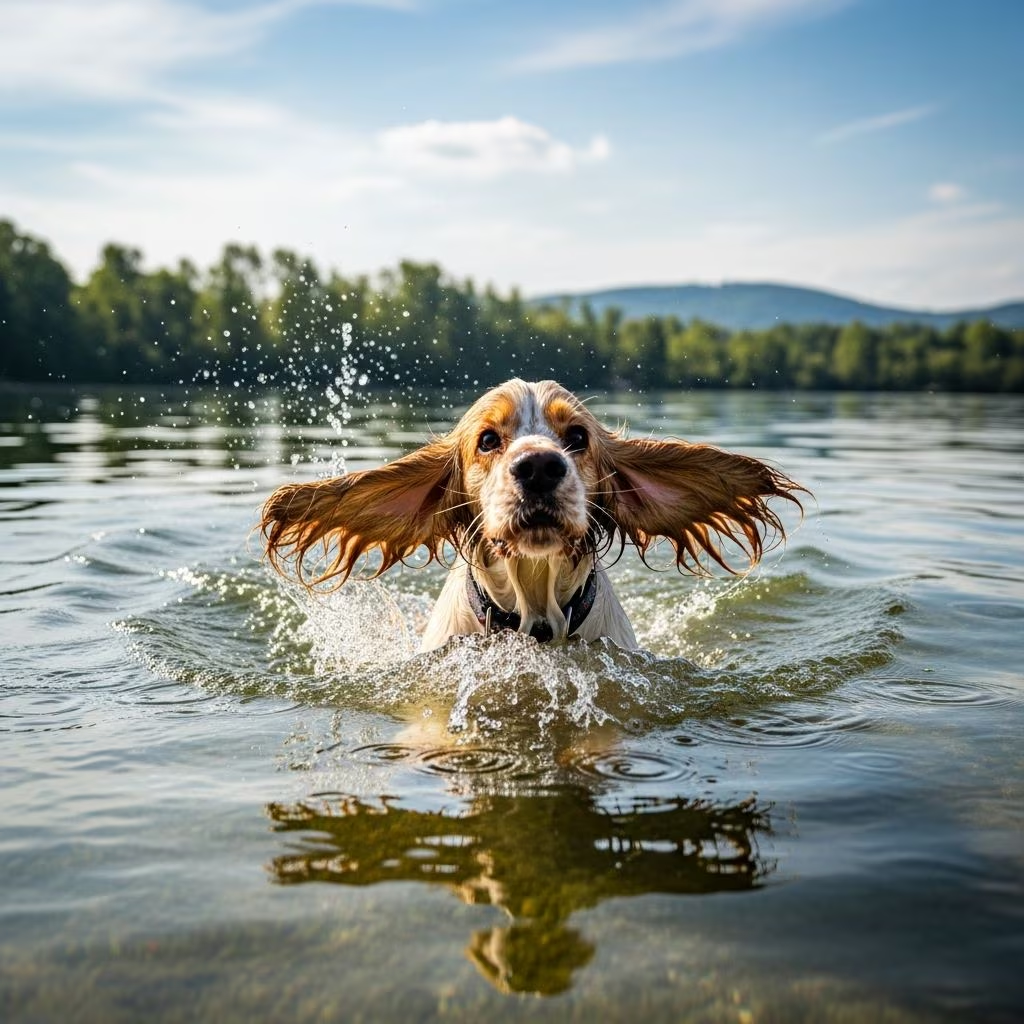
Cocker Spaniels possess a natural affinity for water, making them proficient swimmers in suitable conditions. Their physical build, including webbed feet, supports efficient paddling, while their playful nature encourages enjoyment in pools, lakes, and streams.
Physical Traits Enhancing Aquatic Ability
The anatomy of Cocker Spaniels equips them uniquely for swimming. Prominent among these is the presence of webbed feet in many individuals, which functions similarly to those in waterfowl. This membrane connects the toes, increasing the surface area for propulsion. As a result, these dogs can displace more water per stroke, reducing fatigue and enabling sustained activity.
Beyond feet, their dense, water-resistant coat provides insulation without excessive drag. Long ears and a sturdy frame contribute to balance, though owners must monitor for water retention issues. These traits stem from the breed’s historical role in retrieving game from wetlands, fostering an innate comfort around moisture.
Preferred Water Environments for Optimal Enjoyment
Cocker Spaniels thrive in tranquil settings like backyard pools or shallow ponds. They readily engage by chasing toys tossed into such areas, displaying enthusiasm without prior instruction. Strong currents, deep oceans, or choppy waves pose challenges; the breed favors still or gently flowing freshwater over saline or turbulent seas due to stability concerns.
- Calm pools: Ideal for play and exercise.
- Lakes and streams: Suitable if depths are manageable and currents mild.
- Avoid oceans: Risk of rips and saltwater ingestion.
Health Advantages of Regular Water Activity
Swimming serves as low-impact exercise, bolstering muscle tone while sparing joints from stress—crucial for breeds prone to hip issues. It enhances cardiovascular health, aids weight management, and promotes mental stimulation through play. Owners report improved mobility in aging dogs participating in supervised sessions.
| Benefit | Description |
|---|---|
| Muscle Strengthening | Full-body workout without joint strain. |
| Joint Health | Buoyancy reduces pressure on hips and knees. |
| Mental Well-being | Reduces anxiety via engaging play. |
| Calorie Burn | Effective for maintaining ideal weight. |
Training Strategies for Water Confidence
While many Cocker Spaniels take to water instinctively, some exhibit hesitation. Initiate exposure during puppyhood with positive associations. Begin in bathtubs using lukewarm water, non-slip mats, and treats to build tolerance.
Progress to shallow outdoor areas: encourage entry with toys, praise successes lavishly, and avoid force. For reluctant adults, gradual immersion via pool steps works well. Sessions of 5-10 minutes prevent overwhelm, gradually extending as comfort grows.
- Acclimate via baths: Brush coat first, then wet gradually.
- Shallow water entry: Use leads for security.
- Toy retrieval: Toss into shallows for motivation.
- Positive reinforcement: Treats and cheers post-session.
Essential Gear for Secure Swims
Even strong swimmers benefit from accessories. Life vests with handles facilitate rescues and provide flotation for novices or seniors. Select nylon collars resistant to water damage, retaining ID tags for public areas.
For pools, ensure chemical balance to avoid eye irritation. Provide fresh water nearby to deter ingestion of chlorinated or salty alternatives.
Post-Swim Care Routines
Thorough drying prevents complications. Towel ears meticulously, as floppy structures trap moisture fostering bacterial growth. Follow with vet-recommended cleaners weekly. Brush coats to disentangle and air-dry fully, using low-heat dryers held at distance.
Rinse to remove chlorine, salt, or lake debris, which irritate skin. Monitor for redness, odor, or shaking heads signaling infections—prompt vet visits if noted.
Recognizing and Mitigating Risks
Primary concerns include ear infections from trapped water and skin issues in dense fur. Overexertion leads to fatigue; supervise ceaselessly, enforcing breaks. Water quality matters: evade algae-laden lakes (toxic blooms) and untested ponds harboring parasites like giardia.
Heat exhaustion signs—panting, lethargy—necessitate shade and hydration. Never isolate near water; currents or exhaustion strike swiftly.
Breed Comparisons in Swimming Prowess
| Breed | Swimming Aptitude | Key Factors |
|---|---|---|
| Cocker Spaniel | Excellent | Webbed feet, playful drive. |
| Golden Retriever | Excellent | Water-repellent coat, retriever heritage. |
| French Bulldog | Poor | Brachycephalic, heavy build. |
| Labrador | Superior | Ott er-like tail, webbing. |
Grooming Synergy with Bathing Habits
Cocker Spaniels often embrace baths, easing routine care. Leverage swimming affinity by combining play with hygiene: post-swim shampoos maintain coat health without resistance. Habituate pups early for lifelong compliance.
Seasonal and Environmental Considerations
Summer pools demand sunscreen for light-coated areas, preventing burns. Winter swims require warmed enclosures. Always gauge temperature suitability—avoid extremes.
FAQs
Are all Cocker Spaniels born swimmers?
Most are, owing to webbed feet and heritage, but individuals vary; training refines skills.
Can swimming prevent joint problems?
Yes, low-impact nature supports joint health, especially beneficial for this breed.
How to dry ears after swimming?
Towel dry thoroughly, use cleaners, check for issues regularly.
Is ocean swimming safe?
Generally no; prefer calm inland waters due to currents and salt risks.
What if my dog fears water?
Use gradual exposure, treats, and shallow starts patiently.
References
- Can Cocker Spaniels Swim? Vet-Verified Facts & Tips — Dogster. 2023. https://www.dogster.com/dog-health-care/can-cocker-spaniels-swim
- What Are the Top 5 Water Safety Tips for Pets? — True Care Veterinary Hospital. 2024. https://www.truecareveterinaryhospital.com/blog/what-are-the-top-5-water-safety-tips-for-pets/
- Canine Swimming Safety Tips — Animal Behavior College. 2023. https://www.animalbehaviorcollege.com/blog/lifestyle/pet-safety/canine-swimming-safety-tips/
- Swimming With Dogs Can Be Fun If You’re Safe — PetPlace.com. 2024-06-01. https://www.petplace.com/article/general/pet-care/swimming-with-dogs-can-be-fun-if-youre-being-safe
- Can All Dogs Swim? — Chewy. 2024. https://www.chewy.com/education/dog/general/can-all-dogs-swim



