

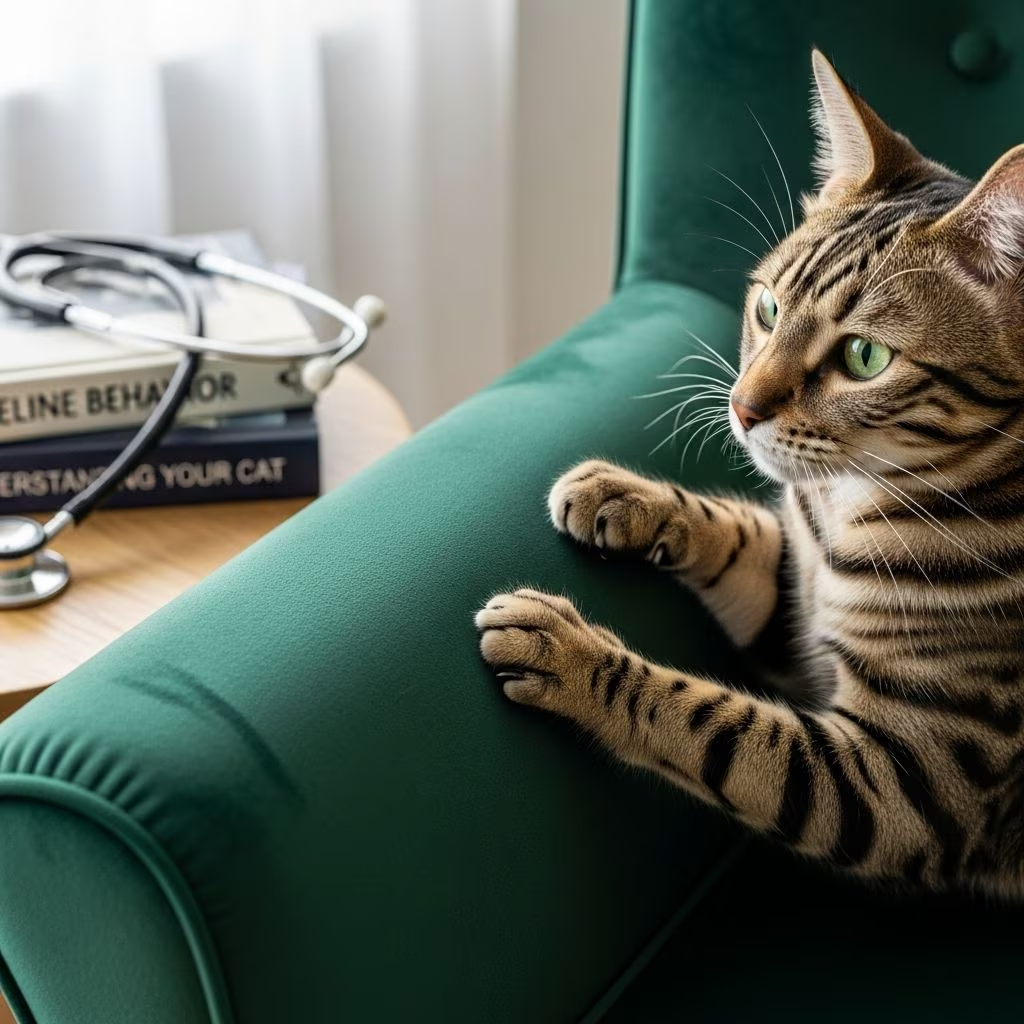
Do Cats Scratch Velvet? Understanding Feline Scratching Behavior
If you’ve ever sat on your couch while watching television only to hear the unmistakable sound of fabric ripping, you’re not alone. Many cat owners have experienced the frustration of watching their beloved furniture get destroyed by their feline companions’ claws. However, some pet owners swear that cats won’t scratch velvet upholstery, which raises an important question: is this claim actually true?
The short answer is that most cats don’t scratch velvet because it doesn’t provide enough resistance when they pull their claws through it. This characteristic makes velvet a surprisingly effective choice for cat owners looking to protect their furniture from damage. Understanding why this is the case requires a deeper look at how cats select their scratching surfaces and what makes certain fabrics appealing or unappealing to them.
Why Cats Avoid Scratching Velvet
Cats are naturally drawn to scratching materials with specific textural qualities. They target fabrics with elevated and loose weaves, and they actively seek out materials with loose threads. This is why silk, tweed, and linen are notoriously poor choices for cat owners who want to protect their furniture. These fabrics provide the perfect texture for cats to grip with their claws, allowing them to pull and shred the material with ease.
Velvet, however, presents an entirely different experience for cats. This luxurious fabric has a very small and tight weave, which means your cat won’t enjoy scratching it simply because they won’t experience the satisfying sensation they seek. The dense pile structure of velvet doesn’t provide the necessary resistance or give that cats crave when they’re scratching. When a cat attempts to dig their claws into velvet, their nails simply glide across the surface rather than catching on threads or grooves. This lack of tactile feedback makes velvet an unappealing scratching destination for most felines.
It’s important to note, however, that all cats are different. While most cats don’t enjoy clawing velvet and will avoid it naturally, yours might be the exception to the rule. Individual cats have unique preferences and behaviors, so it’s always wise to observe your specific cat’s habits before investing in expensive velvet furniture.
Alternative Cat-Resistant Fabrics for Your Furniture
If velvet doesn’t appeal to you for your home décor, there are several other fabric options that most cats won’t scratch. Understanding these alternatives gives you more flexibility in choosing furniture that matches your personal style while still protecting your investment from feline claws.
Microfiber and Faux Suede
Microfiber is an excellent option for cat-conscious furniture shoppers. This synthetic fabric features short and tightly packed weaving, similar to velvet, which makes it unappealing for cats to scratch. The tight weave prevents cats’ claws from catching on threads, creating an unsatisfying scratching experience. Faux suede offers similar benefits, with a smooth surface that doesn’t provide the resistance cats seek when scratching.
Microsuede and Ultra Suede
Microsuede and ultra suede are additional pet-friendly alternatives that share the same protective qualities as microfiber. These fabrics provide a softer aesthetic than some other options while maintaining the tight weave that discourages scratching. If you love the luxurious feel of traditional suede but want cat-resistant properties, these synthetic alternatives offer the best of both worlds.
Understanding Why Cats Scratch Furniture
Before implementing solutions to prevent cat scratching, it’s essential to understand the natural reasons why cats engage in this behavior. Scratching is not a deliberate act of destruction or rebellion—it’s a deeply ingrained instinct that’s hardwired into feline biology and behavior.
Territorial Marking
Cats are naturally territorial beings, and scratching is one of their primary methods of marking their territory. When your cat scratches your sofa, they’re not trying to ruin your furniture; they’re claiming that space as part of their domain. The visual scratches serve as a clear message to other cats: “This spot is mine.” Additionally, cats have scent glands in their paws, so scratching combines both visual and scent marking, creating a multi-sensory territorial declaration.
Nail Maintenance
Scratching serves an important physiological function for cats. It helps them shed the outer sheath of their claws, which is essential for maintaining healthy nails. Your sofa, unfortunately, often becomes the most convenient emery board available in your home. Without an appropriate outlet for this natural behavior, cats will continue to use furniture to maintain their claws.
Stretching and Exercise
Cats love using scratching surfaces for stretching, much like humans use yoga mats. Scratching allows them to perform a full-body stretch, extending their muscles and improving flexibility. When your cat scratches your furniture, they may be combining multiple instinctual needs—scratching, stretching, and territorial marking—all at once.
Stress Relief
Just as humans might squeeze a stress ball to release tension, cats scratch to manage stress and anxiety. If your feline friend is going through a stressful period, your sofa may bear the brunt of their emotional regulation efforts. Environmental changes, loud noises, or other disruptions can trigger increased scratching behavior as your cat seeks comfort and control.
Attention-Seeking Behavior
Cats are clever animals that quickly learn cause-and-effect relationships. If they notice that scratching the furniture results in a flurry of human activity—even negative attention—they might continue the behavior simply to get your attention. This highlights the importance of not yelling at or hitting your cat for scratching, as this can actually reinforce the behavior.
Effective Strategies to Prevent Furniture Scratching
Understanding the reasons behind scratching behavior is only the first step. The next crucial element is implementing effective strategies to redirect your cat’s natural instincts toward appropriate scratching surfaces.
Provide Alternative Scratching Surfaces
The most effective way to prevent your cat from scratching furniture is to redirect them to something else to scratch. Invest in a high-quality scratching post and place it close to their favorite scratching spot. Make sure they can see the post from where they normally scratch. When your cat gravitates toward the furniture instead of the post, make a loud noise, such as clapping your hands, to jar them out of their scratching instinct. This noise interrupts the behavior and hopefully motivates them to move to the scratching post instead.
Use Positive Reinforcement
Positive reinforcement is one of the most powerful training tools available to cat owners. When you see your cat using the scratching post, immediately give them a treat and shower them with praise. Over time, your cat will make the connection between using the post and receiving rewards, and they’ll naturally want to repeat the behavior. This creates a sustainable habit that doesn’t rely on punishment or deterrents.
Choose Quality Scratchers
Not all scratching posts are created equal. Look for sturdy, well-designed scratchers that offer multiple surfaces and positions. Posts made with durable materials like cardboard, sisal rope, or carpet are most appealing to cats. Some modern scratchers offer innovative features like adjustable heights or interactive elements that keep cats engaged and entertained for longer periods.
Physical Deterrents
Physical barriers can help protect your furniture while you’re training your cat. Aluminum foil, double-sided tape, and furniture covers can make certain surfaces less appealing without resorting to harsh chemicals. These temporary measures work alongside positive redirection to encourage your cat toward appropriate scratching areas.
What NOT to Do When Dealing with Cat Scratching
As important as knowing what to do is understanding what not to do when addressing cat scratching behavior. Several common approaches can actually cause harm to your cat or make the problem worse.
Avoid Declawing Surgery
Declawing is a drastic and harmful procedure that many veterinarians and animal welfare organizations strongly advise against. The surgery involves amputating the bottom part of a cat’s toes, which causes permanent pain for the rest of their life. This chronic pain often leads to behavioral issues, including aggression, litter box avoidance, and increased anxiety. Your cat uses their claws for balance, climbing, and self-defense, so removing them significantly impacts their quality of life. If you’re struggling with scratching behavior, there are always better alternatives than declawing.
Avoid Harmful Essential Oil Sprays
While deterrent sprays composed of essential oils might seem like a natural solution, they can be dangerous to cats. Even if the spray keeps your cat away from certain areas, if they touch the chemicals from the diffuser or sprayer and then groom themselves, they can ingest these substances. Felines lack the liver enzymes necessary to metabolize essential oils like peppermint, birch, wintergreen, or pine oil, making these products toxic to cats. Always choose cat-safe deterrents instead.
Never Use Punishment or Negative Reinforcement
Yelling at, hitting, or punishing your cat for scratching is not only ineffective but also counterproductive. These negative responses can increase your cat’s stress and anxiety, potentially leading to more scratching or other behavioral problems. Remember that scratching is a natural instinct, not a deliberate act of misbehavior. Cats don’t understand punishment the way humans do, so it only damages your relationship with your pet.
When to Seek Professional Help
If your cat’s scratching behavior doesn’t respond to your redirection attempts and positive reinforcement efforts, it’s time to consult with your veterinarian. Your vet can rule out any medical issues that might be driving excessive scratching, such as skin allergies or parasites. They can also provide personalized recommendations based on your cat’s specific age, health status, and temperament. In some cases, your vet might recommend working with a certified animal behaviorist to address underlying anxiety or stress issues.
Fabrics to Avoid if You Own a Cat
| Fabric Type | Why Cats Love It | Alternative Options |
|---|---|---|
| Silk | Loose weave and threads | Microfiber or microsuede |
| Tweed | Looped texture perfect for claws | Faux suede or ultra suede |
| Linen | Loose weave and texture | Velvet or microfiber |
| Standard Cotton | Threads catch easily | Microfiber blends |
Frequently Asked Questions About Cat Scratching
Q: Is it true that all cats avoid scratching velvet?
A: While most cats don’t scratch velvet due to its tight weave and lack of resistance, individual cats have unique preferences. Some cats might still attempt to scratch velvet, though they typically won’t cause significant damage because their claws won’t catch on threads the way they do with looser weaves.
Q: What’s the best type of scratching post material?
A: Sisal rope, cardboard, and carpet are the most popular and effective scratching post materials. Cats find these textures satisfying for scratching and claw maintenance. Look for posts that offer multiple height options and positions to maximize engagement.
Q: How long does it take to train a cat to use a scratching post?
A: Training timelines vary depending on the individual cat, but most cats begin showing preference for appropriate scratching surfaces within two to four weeks of consistent positive reinforcement. Patience and consistency are key to successful training.
Q: Can I use essential oil sprays to deter my cat from scratching furniture?
A: No, essential oil sprays are not safe for cats. Cats lack the liver enzymes to metabolize many common essential oils, making them toxic if ingested during grooming. Choose cat-safe deterrents like double-sided tape or aluminum foil instead.
Q: Should I declaw my cat to prevent furniture damage?
A: Declawing is not recommended and is considered inhumane by many veterinarians and animal welfare organizations. The procedure causes permanent pain and often leads to behavioral problems. There are many more humane alternatives available.
Q: What other fabrics besides velvet are resistant to cat scratching?
A: Microfiber, microsuede, ultra suede, and faux suede are all excellent cat-resistant fabric options. These materials share velvet’s tight weave and lack the loose threads that attract cat claws.
Creating a Cat-Friendly Home Without Sacrificing Style
Protecting your furniture from cat scratching doesn’t mean sacrificing your home’s aesthetic appeal. With the abundance of cat-resistant fabrics available today, you can choose furniture that’s both beautiful and functional. Velvet remains an excellent choice for those who love its luxurious appearance, while microfiber and microsuede offer modern alternatives that provide similar visual appeal with added durability.
Remember that addressing cat scratching is about meeting your cat’s natural needs while protecting your belongings. By providing appropriate scratching surfaces, using positive reinforcement, and choosing cat-resistant fabrics, you can maintain a harmonious living environment where both you and your feline companion can thrive. The investment in quality scratching posts and pet-friendly furniture is well worth the peace of mind and the preservation of your relationship with your beloved cat.
References
- Do Cats Scratch Velvet? Vet-Verified Facts & Scratching Advice — Catster. 2024. https://www.catster.com/cat-behavior/do-cats-scratch-velvet/
- How to stop a cat from scratching the sofa — Omlet Blog UK. 2023-12-12. https://blog.omlet.co.uk/2023/12/12/how-to-stop-a-cat-from-scratching-the-sofa/
- How to Stop Cat from Scratching Furniture — CORT Furniture Outlet Blog. 2025. https://blog.cortfurnitureoutlet.com/living/cat-scratching-furniture/
- Cat-Proof Fabrics: A Comprehensive Guide — OPA Living. 2025. https://www.opaliving.co.uk/blogs/news/cat-proof-fabrics-a-comprehensive-guide



