

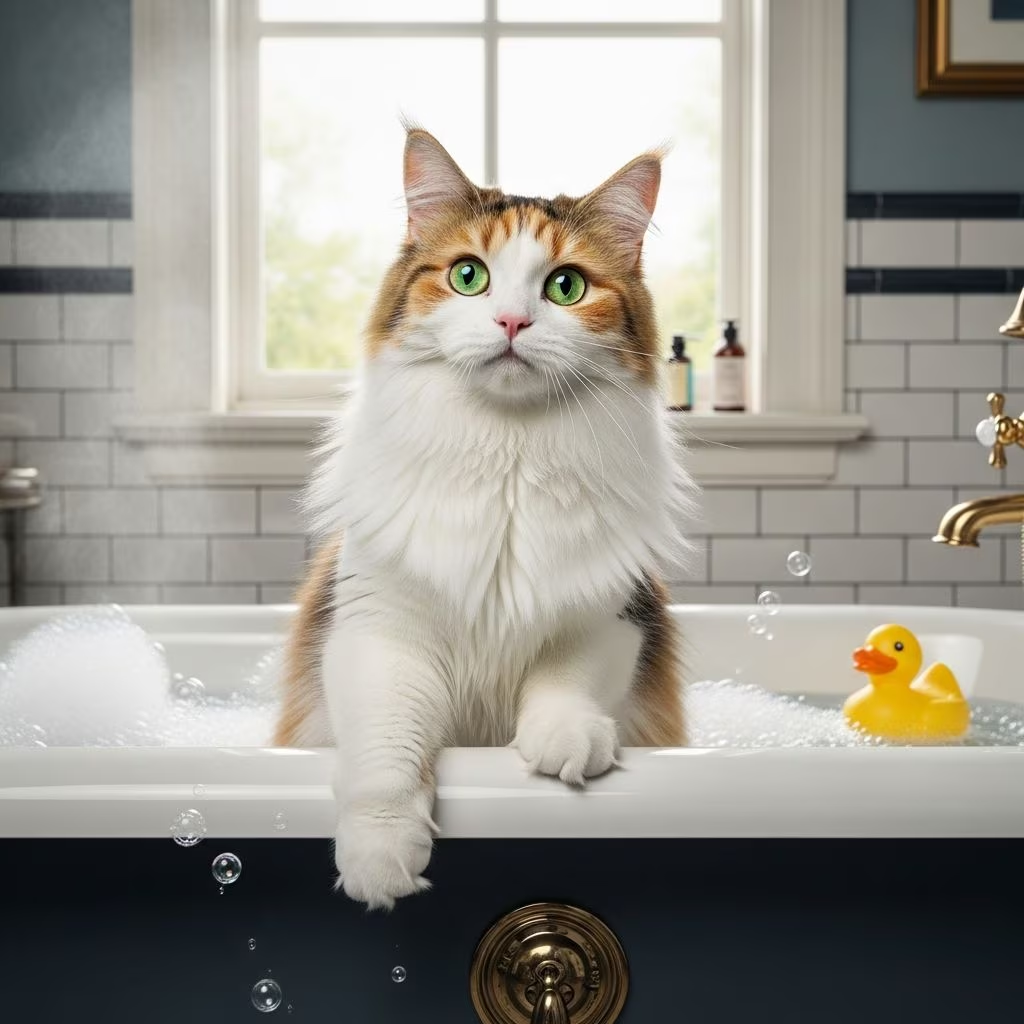
Cats possess remarkable self-cleaning abilities through their grooming habits, making routine baths unnecessary for most. However, specific situations like medical conditions, severe dirt, or physical limitations may require owner intervention with bathing.
The Natural Grooming Prowess of Cats
Feline grooming is a sophisticated behavior that maintains hygiene, distributes essential oils, and promotes overall well-being. A cat’s tongue features tiny, backward-facing spines called papillae, which act like a natural brush to remove dirt, loose fur, and parasites while spreading sebum from skin glands for waterproofing and shine. This process not only keeps the coat clean but also stimulates blood circulation to the skin, aiding in temperature regulation and stress relief through endorphin release.
Adult cats dedicate up to 50% of their waking hours to grooming, demonstrating its critical role in their health. This fastidious routine prevents matting, reduces hairball formation, and even serves social functions, such as bonding with other cats or marking territory with scent glands. For healthy, mobile cats, this self-maintenance suffices, sparing owners the challenge of bath time.
Situations Warranting a Cat Bath
While self-grooming excels, certain circumstances demand a bath to ensure safety and health. Veterinary experts outline key scenarios where bathing becomes advisable.
- Parasite Infestations: Fleas, ticks, or mites cause itching and potential disease transmission. A bath with vet-recommended flea shampoo drowns pests and soothes irritated skin, forming part of a broader treatment protocol.
- Toxic or Sticky Substances: Exposure to motor oil, antifreeze, paint, or adhesives requires immediate washing to prevent ingestion during self-cleaning, which could lead to poisoning.
- Skin Conditions and Infections: Issues like allergies, ringworm, seborrhea (causing flaky, itchy skin), or fungal problems often necessitate medicated shampoos prescribed by a veterinarian.
- Mobility Challenges: Obese, arthritic, elderly, or post-surgical cats struggle to reach all body areas, leading to oil buildup, matting, and infections. Gentle baths restore cleanliness.
- Special Breeds: Hairless varieties like the Sphynx produce excess skin oils, requiring baths every 1-2 weeks to prevent residue on surfaces and secondary infections.
- Household Allergies: Regular bathing reduces dander and allergens, benefiting sensitive humans in the home.
Potential Drawbacks of Bathing Cats
Bathing introduces risks that owners must weigh carefully. Stress is paramount, as many cats view water as a threat, triggering panic, aggression, or long-term aversion to handling. Over-bathing strips protective oils, causing dry, irritated skin prone to infections.
Water safety concerns include aspiration pneumonia from inhaled water or hypothermia in chilly environments. Improper technique heightens injury risks for both cat and owner. Veterinary dermatologist Dr. Alison Diesel from Texas A&M emphasizes that baths can damage the human-animal bond if traumatic, advising against them unless essential.
Frequency Guidelines for Cat Bathing
Bath schedules vary by individual needs, not a one-size-fits-all rule. Most cats thrive without baths; long-haired breeds may need them every 4-6 weeks to combat mats, while Sphynx cats require weekly sessions. Medicated baths follow vet directives, often weekly initially then tapered.
| Cat Type | Recommended Frequency | Reason |
|---|---|---|
| Healthy Shorthair | Rarely (as needed) | Excellent self-grooming |
| Long-haired | Every 1-2 months | Prevent matting |
| Sphynx/Hairless | Weekly to bi-weekly | Oil control |
| Obese/Senior | Monthly or as needed | Aid hygiene |
| Medical Condition | Vet-directed | Treatment protocol |
Monitor for signs like dull coat, odor, or excessive scratching to adjust frequency.
Selecting the Ideal Cat Shampoo
Human products irritate feline skin due to pH differences; always choose cat-specific formulas. Opt for gentle, hypoallergenic shampoos free of harsh chemicals, or organic variants for sensitive skin. Medicated options target fleas, allergies, or bacteria—use only under vet guidance to avoid resistance or overdosing.
Test a small area first for reactions. Leave-on mousses or wipes serve as bath alternatives for minor issues.
Step-by-Step Guide to Bathing Your Cat
Preparation minimizes stress: Gather supplies (cat shampoo, towel, non-slip mat, warm water), acclimate your cat to water via play, and select a quiet bathroom.
- Brush First: Remove loose fur to prevent clogs and mats.
- Secure Environment: Fill sink or tub to shallow depth (3-4 inches), temperature 100-102°F (lukewarm).
- Gentle Introduction: Speak soothingly; start with paws, progressing slowly. Use a handheld sprayer gently.
- Lather Carefully: Apply shampoo from neck to tail, avoiding face/ears. Massage for 5-10 minutes if medicated.
- Rinse Thoroughly: Residue irritates; ensure all soap is gone.
- Dry Properly: Towel-dry, then use low-heat blow dryer from distance if tolerated. Keep warm until dry.
- Reward: Treats and play rebuild trust.
For resistant cats, consider professional grooming or vet clinics.
Alternatives to Full Baths
Waterless options preserve oils while cleaning effectively. Dry shampoos, cleansing wipes, and sprays remove dirt sans rinsing. Brushing with a rubber curry or de-shedding tool enhances natural grooming, reducing hairballs by 30-50%.
- Wet Wipes: Ideal for spot-cleaning faces, paws, or rears.
- Waterless Foam: Apply, massage, towel off—great for seniors.
- Flea Combs: Manual parasite removal.
- Professional Grooming: For tough cases.
Health Checks During Grooming
Baths and brushing double as examinations. Part the fur to inspect for lumps, wounds, parasites, or color changes indicating issues like hyperthyroidism or allergies. Early detection via routine handling promotes proactive care.
FAQs on Cat Bathing
Can I use baby shampoo on my cat?
No, even mild baby shampoos disrupt pH balance, risking dryness. Stick to cat-formulated products.
How do I know if my cat needs a bath?
Look for greasy fur, strong odors, visible dirt, matting, or vet recommendations.
Is bathing safe for kittens?
Avoid until 8-12 weeks old; use sparingly and gently thereafter.
What if my cat hates water?
Try alternatives like wipes or professional services; gradual desensitization helps.
Does bathing reduce shedding?
Yes, it loosens undercoat, but regular brushing is more effective long-term.
Conclusion: Prioritize Needs Over Routine
Respect your cat’s grooming instincts while intervening when necessary. Consult veterinarians for tailored advice, ensuring baths enhance rather than hinder health and happiness. With informed care, your feline stays pristine naturally.
References
- Do You Need to Bathe Cats? — Brown Veterinary Hospital. 2023-05-15. https://brownvethospital.com/blog/do-you-need-to-bathe-cats/
- When You Should—And Shouldn’t—Give Your Cat A Bath — Texas A&M College of Veterinary Medicine & Biomedical Sciences. 2023-08-10. https://vetmed.tamu.edu/news/pet-talk/cat-baths/
- Should you Bathe your Cat? Everything you need to know — Petmate Academy. 2024-02-20. https://www.petmate.com/blogs/petmate-academy/should-you-bathe-your-cat
- How Often Should Cats be Bathed — Crossroads Veterinary Hospital. 2022-06-25. https://www.crossroadsvh.com/site/blog/2022/06/25/cat-bath
- How to Bathe a Cat & How Often You Should Do It — Falls Road Animal Hospital. 2024-03-15. https://www.fallsroad.com/site/tips-resources-blog-baltimore-vet/2024/03/15/how-bathe-cat



