

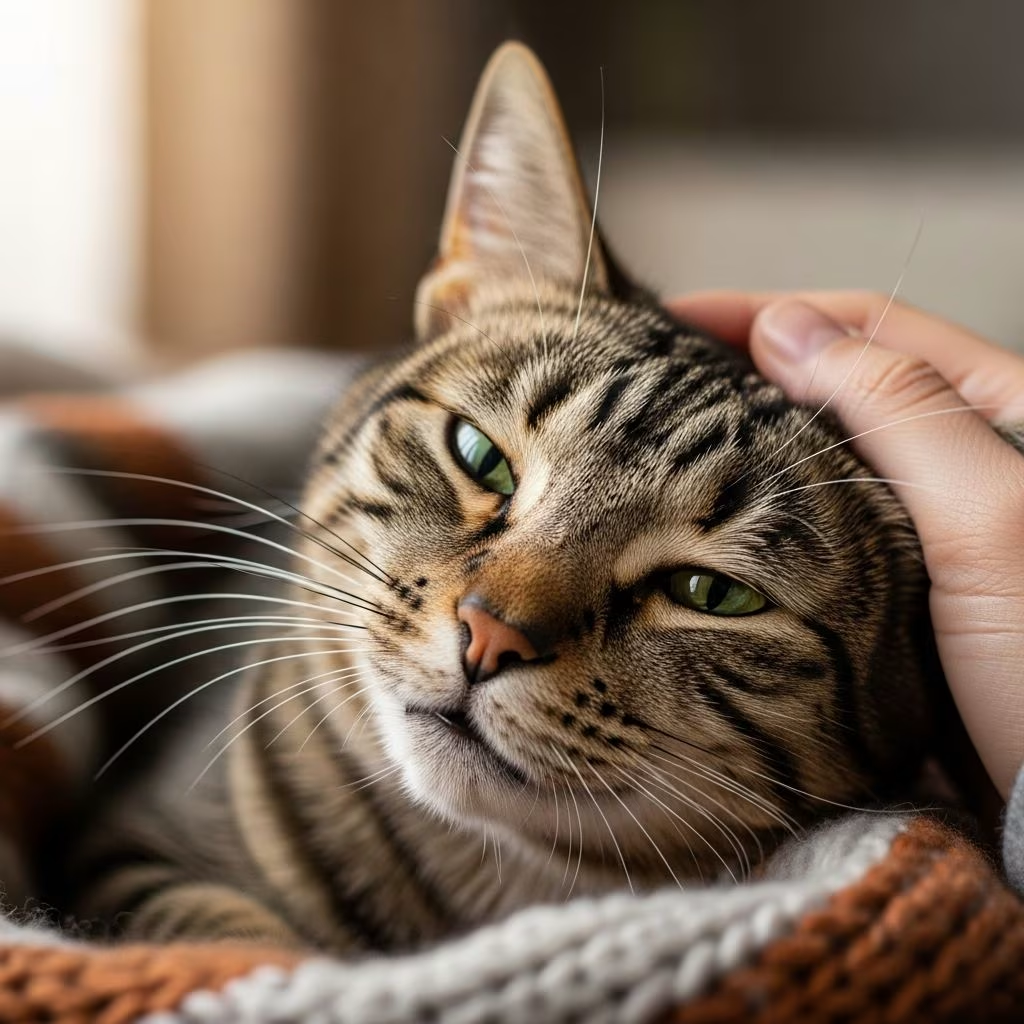
Cats do not purr exclusively for humans; they use this distinctive vocalization in a variety of contexts, including interactions with other cats, self-comfort, and even during stress or injury.
The Science of Feline Purring
Purring originates from rapid contractions of the laryngeal muscles in a cat’s voice box, triggered by neural signals from a specialized oscillator in the brain. These muscles cause the glottis to open and close, vibrating the vocal cords as air passes through during both inhalation and exhalation, producing a steady rumble typically between 25 and 150 Hertz.
This frequency range is notable because studies suggest it may promote healing, such as strengthening bones or easing pain, positioning purring as a potential self-healing mechanism. Kittens begin purring just days after birth, using it as a vibration-based signal since their eyes and ears are not yet functional.
Purring as a Sign of Contentment and Bonding
The most recognized reason for purring is happiness. Cats often purr while lounging in a sunny spot, nestled in a lap, or enjoying a meal, accompanied by relaxed body language like half-closed eyes and a loose posture.
In social settings, purring reinforces bonds. Mother cats purr to soothe kittens during nursing, creating a calming vibration that signals safety. Adult cats extend this to humans and fellow felines, using purrs during greetings or affectionate rubs to convey trust.
- With humans: Purring during petting indicates enjoyment and encourages continuation of the interaction.
- With other cats: Short purrs during greetings foster friendly encounters.
- Solo moments: Cats purr while self-grooming or sleeping, acting as a personal comfort mechanism.
Purring Beyond Happiness: Stress and Pain
Contrary to popular belief, purring frequently occurs in distressing situations. Anxious cats may pace while purring and meowing, employing it as a coping strategy to self-regulate emotions.
At veterinary visits, purring often masks underlying fear, helping cats manage the stress of unfamiliar environments or handling. Even injured cats purr, possibly to activate those therapeutic frequencies for recovery.
| Context | Purring Purpose | Body Language Clues |
|---|---|---|
| Happy | Contentment/Bonding | Relaxed ears, slow blinks |
| Stressed | Self-soothing | Tail flicking, wide eyes |
| Injured | Healing/Pain relief | Hunched posture, hiding |
Kitten Purring: Early Communication Essentials
From birth, kittens purr to inform their mother they are present, warm, and feeding correctly. This vibration guides nursing and strengthens the mother-kitten bond.
As they mature, kittens purr to solicit food or play from littermates and adults. This behavior persists into adulthood, evolving into more nuanced forms.
The Solicitation Purr: A Clever Human-Targeted Tactic
Cats have refined a special “solicitation purr” for breakfast demands, blending their standard low rumble with a high-pitched cry-like element around 380 Hz, resembling a human infant’s wail.
Research shows this hybrid sound is rated as more urgent and harder to ignore by listeners, even non-cat owners. Cats deliberately modulate airflow to embed this meow-like frequency, exploiting human nurturing instincts.
While effective on people, cats do not typically use this variant with other cats, suggesting it’s adapted specifically for human companions.
Do Cats Purr at Other Animals?
Cats purr during interactions with dogs or other pets in multi-species homes, often as a greeting or calming signal if the encounter is positive. However, aggressive encounters suppress purring, replaced by hisses or growls.
Mother cats purr universally with offspring, regardless of future adult relationships. Stray or feral cats may purr minimally with non-family members to avoid vulnerability.
Understanding Purring in Multi-Cat Households
In homes with multiple cats, purring facilitates hierarchy and territory sharing. Dominant cats purr to assert calm authority, while subordinates use it to signal non-threat.
Conflicts arise if purring is misinterpreted; a stressed cat’s purr might provoke play-fighting. Observing ear positions and tail movements provides context.
Health Implications of Purring Patterns
Changes in purring can indicate health issues. Excessive purring with lethargy might signal pain, while sudden cessation during usual petting times warrants a vet check.
Veterinarians note that purrs during exams help assess stress levels but shouldn’t override other symptoms like dilated pupils or tense muscles.
Enhancing Your Cat’s Purring Moments
To encourage positive purring, create safe spaces with soft bedding and pheromone diffusers. Interactive play followed by gentle strokes mimics natural bonding.
- Respect boundaries: Stop petting if purring stops or body stiffens.
- Use food puzzles: Reward with treats to trigger solicitation purrs positively.
- Vertical spaces: Cat trees promote relaxed perching and solo purring.
FAQs on Cat Purring
Why does my cat purr while kneading?
This combines kittenhood nursing memories with adult contentment, releasing feel-good endorphins.
Is constant purring always good?
No; it can indicate chronic pain or anxiety. Monitor for other signs like appetite loss.
Can all cats purr?
Most domestic cats do, but big cats like lions roar instead due to anatomical differences.
Why do some cats purr less?
Personality, past trauma, or health issues influence frequency. Building trust increases it.
Does purring mean my cat loves me?
Often yes, as a trust signal, but context matters—it’s versatile communication.
References
- Why Do Cats Purr? — Animal Family Veterinary Care Center. 2023-05-15. https://animalfamilyveterinarycare.com/blog/why-do-cats-purr/
- Why Do Cats Purr? 5 Meanings Behind a Purring Cat — PetMD. 2024-02-10. https://www.petmd.com/cat/behavior/why-do-cats-purr
- Why and how do cats purr? — Library of Congress. 2023-11-01. https://www.loc.gov/everyday-mysteries/item/why-and-how-do-cats-purr/
- Cats Manipulate Their Owners with a Cry Embedded in a Purr — Friends4Life. 2022-08-20. https://friends4life.org/cats-manipulate-their-owners-with-a-cry-embedded-in-a-purr/



