

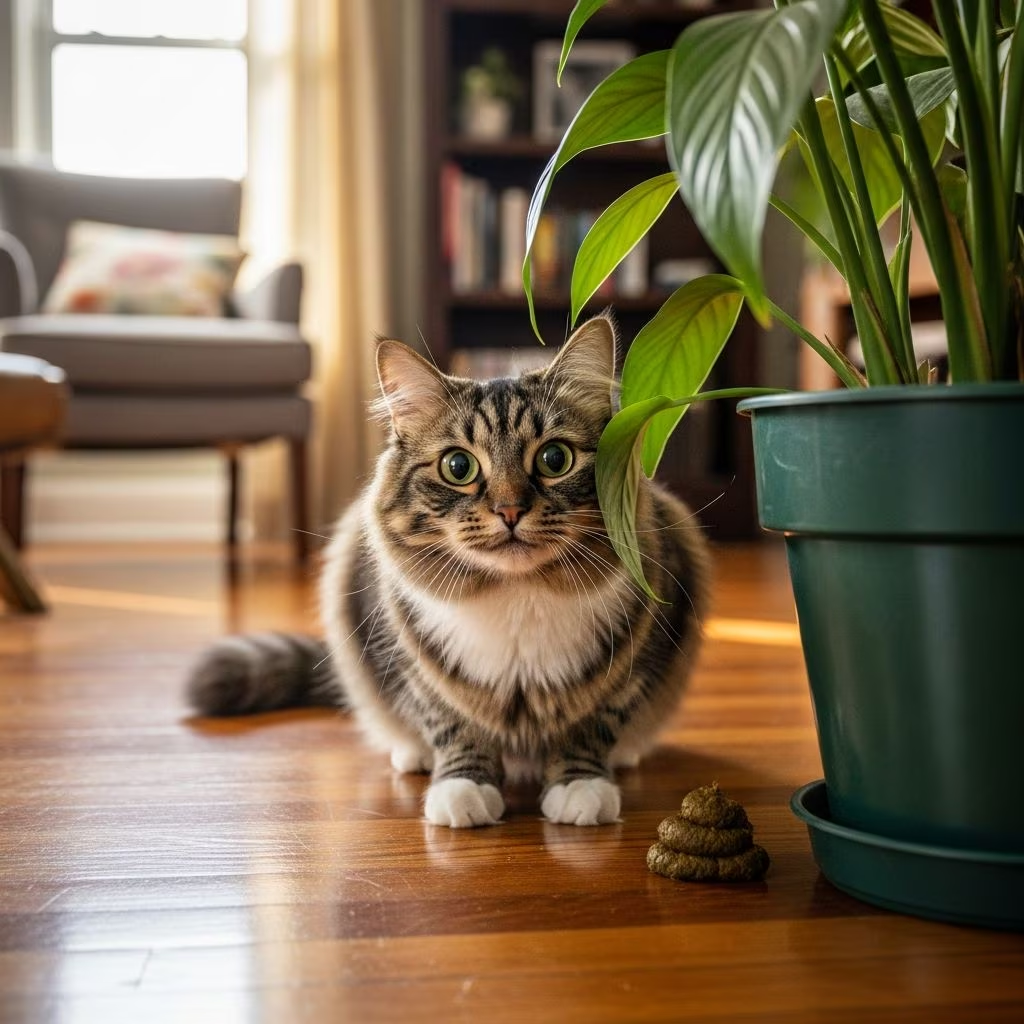
Cats are meticulous about their hygiene, instinctively burying waste to stay clean and safe from predators. So when your cat poops outside the litter box—on the floor, your bed, or the bath mat—it feels personal. But do cats poop out of spite? The short answer is no. Veterinary behaviorists confirm this behavior stems from underlying issues like medical problems, stress, or environmental factors, not revenge.
Understanding these triggers is key to resolving the issue humanely and effectively. Punishing your cat only heightens anxiety, worsening the problem. Instead, a systematic approach—starting with a vet visit—can get your cat back on track. This guide covers all common causes and solutions, drawing from expert veterinary insights.
Cats Naturally Want to Cover Waste
Cats are inherently clean animals, constantly grooming themselves and burying waste to hide their scent from predators. Pooping in open areas like floors contradicts this instinct, signaling distress rather than defiance.
In the wild, covering feces protects kittens and prevents attracting rivals. Domestic cats retain this drive, preferring soft, diggable substrates like litter. Exposed poop locations indicate avoidance of the litter box due to pain, confusion, or aversion—not spite.
- Cleanliness obsession: Cats self-groom paws, coat, and genitals meticulously.
- Instinctual burial: Failure to cover waste shows the spot was chosen reluctantly.
- Hygiene preference: They seek sanitary, comfortable elimination sites.
Observing post-elimination behavior helps diagnose: diligent scratching near a floor pile means the litter box feels unusable.
Medical Reasons Why Cats Poop Outside the Litter Box
Health issues top the list of litter box avoidance causes. Any condition disrupting normal defecation prompts cats to seek alternatives. A vet exam, including fecal tests, is essential first.
Gastrointestinal Problems
GI disorders like inflammatory bowel disease (IBD), constipation, or infections cause pain or urgency, associating the box with discomfort.
- Diarrhea or hard stools from dietary indiscretion or allergies.
- Chronic issues like IBD alter bowel habits long-term.
- Treatment resolves elimination once pain subsides.
Parasites
Intestinal worms (roundworms, hookworms) irritate bowels, causing loose stools or incontinence. Segments or live worms may appear in feces, but many are microscopic—requiring vet testing. Parasites steal nutrients, weakening cats overall.
Urinary Tract Infections or Blockages
Though more urinary-focused, UTIs cause general distress, leading to mixed elimination issues. Males risk life-threatening blockages.
Other Health Factors
Kidney disease, diabetes, hyperthyroidism increase urination/defecation frequency, overwhelming litter access. Arthritis in seniors hinders box entry. Digestive pain from any source reduces control.
| Symptom | Possible Cause | Action |
|---|---|---|
| Loose/watery stool | Parasites, IBD, diet | Vet fecal test, deworming |
| Straining/hard poop | Constipation, arthritis | Exam, laxatives, low-sided box |
| Sudden urgency | UTI, kidney issues | Urinalysis, bloodwork |
| Weight loss, thirst | Diabetes, thyroid | Full blood panel |
Even normal-looking stool warrants a check—early intervention prevents escalation.
Litter Box Issues: The #1 Environmental Culprit
Cats are picky about bathrooms. Problems here account for most non-medical cases.
Litter Box Hygiene
Dirty boxes repel fastidious cats. Scoop daily; full changes weekly. Multiple cats need one box per cat plus one extra.
- Odor buildup signals uncleanliness.
- Clumped waste mimics unclean spots.
- Overcrowding breeds competition.
Inadequate Box Setup
Boxes too small, high-sided, or relocated confuse cats. Seniors struggle with entry.
- Use low-entry, large boxes near resting areas.
- Avoid covered boxes trapping smells.
- One per floor for multi-level homes.
Litter Type and Changes
Most prefer fine, unscented clumping litter. Switches to scented/coarse types prompt avoidance. Test preferences gradually.
Accessibility Problems
Arthritic or obese cats need shallow pans. Post-surgery mobility limits demand temporary floor-level options.
Troubleshoot with an environmental checklist: clean daily, add boxes, lower sides, revert litter changes.
Stress and Anxiety: Environmental & Social Triggers
Cats thrive on stability; disruptions manifest as house-soiling. Not spite, but coping.
- Household changes: Moves, new pets/babies, furniture shifts unsettle routines.
- Owner absence: Work trips or schedule changes spark separation anxiety.
- Social stress: Multi-cat tension over resources leads to avoidance.
- Environmental drama: Loud noises, visitors heighten fear.
Seniors manifest stress physically due to frailty. Feral instincts drive sick cats to isolate waste, protecting the ‘colony’.
How to Stop Cats Pooping Outside the Litter Box
Step-by-step resolution:
- Vet visit first: Rule out/treat medical causes.
- Optimize litter box: Clean daily, add boxes, right litter/size.
- Reduce stress: Pheromone diffusers (Feliway), playtime, hiding spots.
- Diet tweak: Sensitive-stomach food if allergies suspected.
- Monitor patterns: Note locations/times for clues (e.g., near box = access issue).
- Enrich environment: Scratching posts, vertical space to ease tension.
Consistency restores confidence. Avoid cleaners with ammonia—mimics urine, inviting repeats. Enzyme cleaners best.
Frequently Asked Questions (FAQs)
Q: Do cats poop out of spite or revenge?
A: No. Research shows it’s due to discomfort, illness, or stress—not punishment. Scolding worsens anxiety.
Q: Why does my cat poop on the bed?
A: Soft texture mimics litter; your scent comforts stressed cats. Check health, box access.
Q: How many litter boxes do I need?
A: One per cat + one extra. Place in quiet, accessible spots.
Q: Can diet cause litter box avoidance?
A: Yes, sensitivities lead to GI upset. Switch gradually to hypoallergenic formulas.
Q: What if my senior cat is pooping on the floor?
A: Arthritis or cognitive decline likely. Use low boxes, vet for mobility aids.
Q: How long to fix litter box issues?
A: Days for simple fixes; weeks for stress/medical. Patience key.
Persistent issues? Consult a veterinary behaviorist.
References
- Feline Behavior Problems: House Soiling — Cornell University College of Veterinary Medicine. 2023. https://www.vet.cornell.edu/departments-centers-and-institutes/cornell-feline-health-center/health-information/feline-health-topics/feline-behavior-problems-house-soiling
- Why Cats Potty on Beds — PetSafe. 2024-05-15. https://www.petsafe.com/blog/why-cats-potty-on-beds/
- Do Cats Poop Out of Spite? Vet-Verified Reasons — Catster. 2024. https://www.catster.com/cat-behavior/do-cats-poop-out-of-spite/
- Cat Pooping Outside the Box: Causes & Solutions — Meowant (citing veterinary behaviorists). 2024. https://meowant.com/blogs/comprehensive-guides/why-cat-poops-outside-litter-box
- Solving Litter Box Problems in Senior Cats — Chewy (citing Galaxy vet). 2023-11-20. https://www.chewy.com/education/cat/training-and-behavior/solving-litter-box-problems-in-senior-cats



