

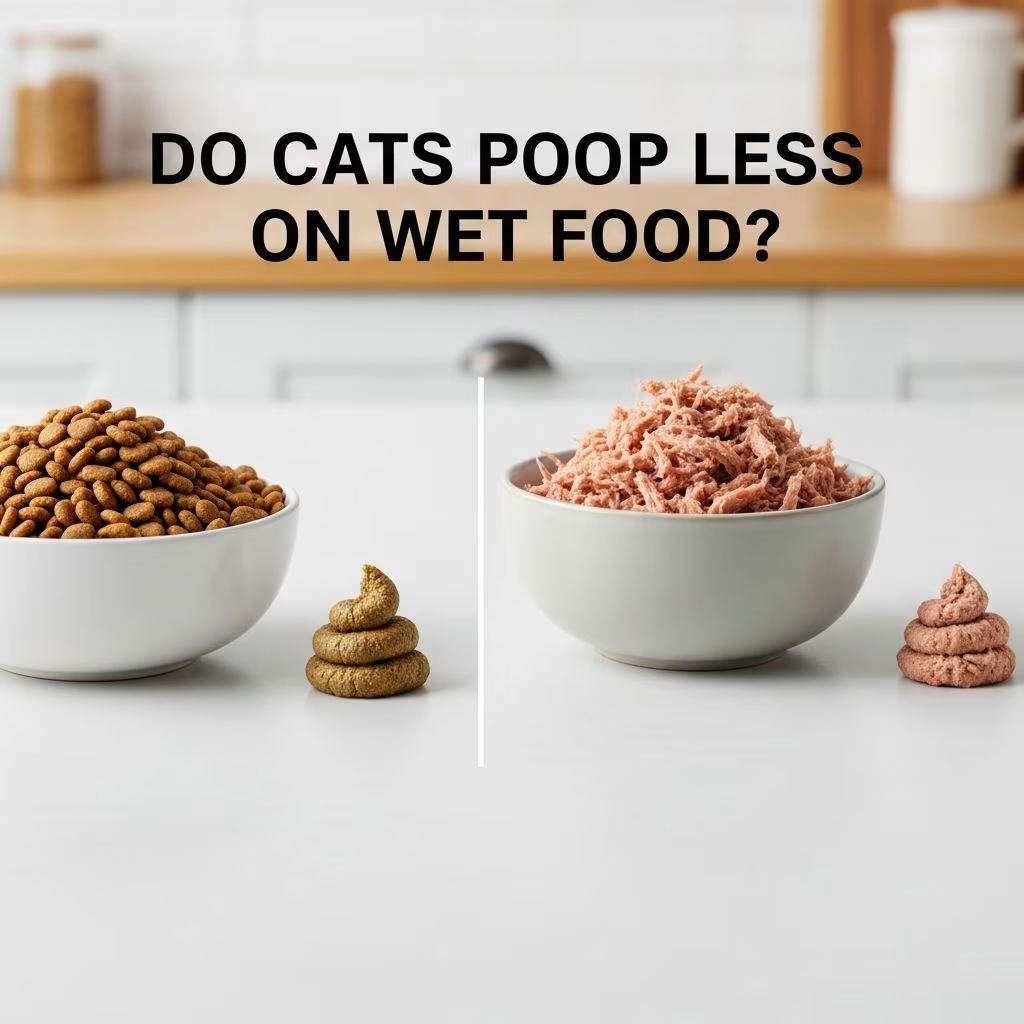
Cats often poop less frequently when fed wet food compared to dry kibble, primarily due to its higher moisture content and more digestible meat-based nutrients that align with their obligate carnivore biology.
This change is normal and can reduce litter box cleaning, but understanding the underlying reasons helps cat owners monitor health effectively. Healthy adult cats typically defecate once or twice daily, though frequency varies with diet.
Benefits of Wet Cat Food
Wet cat food offers significant advantages, especially in hydration and nutrition. As obligate carnivores, cats derive most hydration from prey in the wild, but domesticated cats often under-drink, leading to dehydration risks.
Wet food, with 75-78% moisture, mimics this natural intake, boosting overall hydration and supporting kidney health. It also provides high protein and fat from meat sources, which are more bioavailable than plant-heavy dry foods.
- Enhanced Hydration: Prevents urinary issues common in kibble-fed cats.
- High-Quality Protein: Supports muscle maintenance without excess fillers.
- Palatability: Encourages eating in picky or senior cats.
- Digestion Aid: Easier on the stomach, reducing vomiting incidents linked to dry food.
How Wet Food Digests in Cats
Cats possess a simple digestive system, processing food in 10-24 hours post-meal. Optimal digestion requires scheduled feedings—twice daily—to maintain rhythm and prevent obesity from free-feeding.
Wet food must be consumed promptly or refrigerated, as it spoils quickly once opened. This structure promotes portion control and fresh intake, unlike self-serve kibble.
| Aspect | Wet Food | Dry Food |
|---|---|---|
| Moisture Content | 75-78% | 10-12% |
| Digestion Time | 10-24 hours | Similar, but bulkier residue |
| Feeding Method | Scheduled meals | Often free-fed |
| Stool Impact | Less volume/frequency | Higher volume due to fiber |
Why Does Wet Food Cause Cats to Poop Less?
Dry Food vs. Wet Food: Key Differences
Dry kibble produces larger, more frequent stools because it blends meat proteins with plant-based fibers and grains, which cats digest poorly as non-carnivores.
Low moisture in dry food (10-12%) necessitates added fillers for texture, leading to undigested residue expelled as waste. Cats on dry diets often poop twice daily or more.
1. Dry Food Characteristics
Dry food relies on plant ingredients for fiber, which bulks stool but passes through largely unabsorbed. This results in substantial litter box output, especially in multi-cat homes.
- Plant Fillers: Grains and veggies add non-digestible bulk.
- Low Moisture: Concentrates waste, increasing frequency.
- Nutrient Gaps: Less efficient absorption prompts more excretion.
2. Wet Food Advantages
Wet food prioritizes meat (over 70% of diet ideal for carnivores), minimizing plants and maximizing absorption. High moisture aids breakdown, reducing fiber needs and waste volume.
Nutrients like proteins and fats are fully utilized, leaving minimal residue—hence fewer, smaller poops. Stools remain firm despite moisture due to efficient digestion.
- Meat-Dominant: Mirrors wild prey diet.
- High Moisture: Softens for easy passage.
- Low Fiber: Less bulk, normal frequency.
Normal Pooping Frequency for Cats
Adult cats poop every 12-36 hours on average, influenced by diet, age, and activity. Kittens may go 3-5 times daily, seniors less often.
Wet food diets often align with once-daily elimination, softening stools without diarrhea. Monitor for deviations: more than twice daily suggests excess fiber; less than every 48 hours warrants vet check.
Can Wet Food Make Cats Constipated?
Counterintuitively, wet food prevents constipation by increasing water intake, countering low thirst drives in kibble-fed cats. Dry stools from low-fiber, low-moisture diets are more common.
Sudden switches can cause temporary loose stools as gut bacteria adjust, resolving in 1-2 days. Gradual transitions minimize risks: mix 25% wet with dry, increasing over 7-10 days.
- Transition Tips: Start with partial cans; monitor stool.
- Hydration Boost: Add water to food if needed.
- Fiber if Chronic: Vet-recommended supplements for slow transit.
Ideal stool: firm, sausage-shaped, tan-brown, once/twice daily—indicating good hydration and digestion.
Frequently Asked Questions (FAQs)
What is a normal poop schedule for cats?
Healthy adults poop 1-2 times daily; variations depend on diet. Wet food often means once daily.
Does switching to wet food reduce litter box waste?
Yes, due to better absorption and less fiber, cutting volume and frequency.
Will wet food cause diarrhea in my cat?
Not typically if transitioned slowly; temporary upset possible from abrupt changes.
How much wet food replaces dry for calories?
Cats need more volume of wet food (e.g., 3-4 oz cans vs. 1/2 cup kibble daily), but it balances out.
When should I worry about less pooping?
If no poop in 48+ hours, or hard/dry stools, consult a vet for dehydration or blockages.
Cat Poop Health Chart
| Appearance | Health Indicator | Possible Causes |
|---|---|---|
| Firm, segmented, tan | Healthy | Balanced diet, good hydration |
| Hard, dry pellets | Constipation risk | Low moisture/fiber |
| Loose/mushy | Diet upset | Food change, parasites |
| Black/tarry | Urgent | Upper GI bleed—vet now |
| Bloody/red | Concern | Colitis, worms |
Regular monitoring via litter box clues ensures early detection of issues like dehydration or poor diet fit.
In summary, wet food’s design promotes efficient digestion, yielding less poop without health trade-offs. Pair with scheduled meals and gradual changes for thriving felines.
References
- Do Cats Poop Less on Wet Food? Vet-Approved Digestive Facts — Hepper. 2023. https://articles.hepper.com/do-cats-poop-less-on-wet-food/
- Do Cats Poop Less on Wet Food? 3 Ways to Get Your Cat… — Catster. 2023. https://www.catster.com/cat-health-care/do-cats-poop-less-on-wet-food/
- How Often Should Cats Poop? The Complete Guide — WOpet. 2024. https://wopet.com/cats/how-often-should-cats-poop/
- Cat Poop: Healthy vs Unhealthy Colors {Vet-Approved} — Sploot Vets. 2024. https://www.splootvets.com/post/cat-poop-healthy-vs-unhealthy-colors
- How Often Should Cats Poop? A Veterinarian Explains — Cats.com. 2024. https://cats.com/how-often-should-cats-poop
- Vet-Approved Cat Poo Chart: Litter Box Clues & What They Mean — Vets Love Pets. 2024. https://vetslovepets.com.au/blogs/cat/cat-poo-chart



