

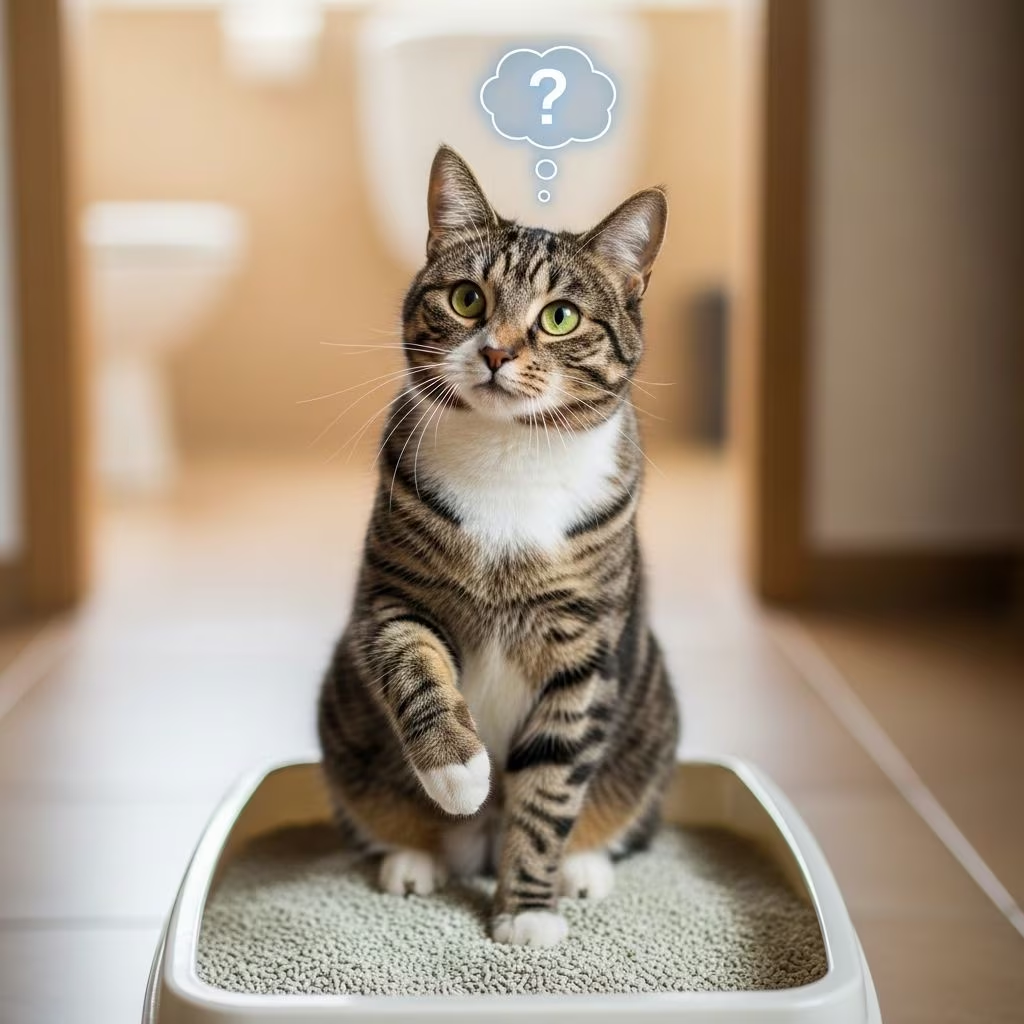
Cats typically do not pee and poop simultaneously due to differences in their urinary and digestive systems, which often require separate muscular efforts and positions for efficient elimination. While some cats may occasionally combine both in quick succession, most prefer distinct sessions to maintain control and hygiene.
Understanding feline bathroom habits is crucial for cat owners, especially when addressing litter box issues. Cats are naturally fastidious animals, evolved as desert dwellers with efficient water conservation mechanisms that separate urine concentration from fecal matter. This separation helps prevent bacterial cross-contamination and allows for precise scent marking. In the wild, cats bury waste to avoid predators, a behavior domesticated cats retain, making litter box training relatively straightforward—unless interrupted by health or environmental factors.
Cat Anatomy: Why Peeing and Pooping Are Usually Separate
The feline urinary and digestive tracts operate independently. The bladder stores urine produced by the kidneys, emptying via the urethra through a voluntary process controlled by the cat. Fecal matter, processed in the colon, exits through the anus under different muscular control. Attempting both simultaneously can lead to incomplete evacuation or discomfort, as the positions differ: squatting low for urine, higher for feces.
Key anatomical factors include:
- Bladder capacity: Smaller in cats, prompting frequent urination (4-6 times daily) separate from defecation (1-2 times).
- Urethral structure: Narrow in males, prone to blockages if strained during dual elimination.
- Anal glands: Express during defecation, not urination, signaling territory.
These adaptations ensure hygiene, reducing infection risk from mixing waste.
How Often Do Cats Pee vs. Poop?
Adult cats urinate **3-5 times daily**, influenced by diet, hydration, and health. Kittens go more frequently, up to every 2-3 hours. Defecation occurs **1-2 times per day**, depending on fiber intake and activity. Healthy cats maintain consistent patterns; deviations signal issues.
| Activity | Frequency (Adult Cats) | Influencing Factors |
|---|---|---|
| Urination | 3-5 times/day | Water intake, kidney function, stress |
| Defecation | 1-2 times/day | Diet fiber, gut health, exercise |
Observing patterns helps detect problems early. Increased frequency may indicate diabetes or infections; decreased could mean constipation.
Reasons Cats Might Not Pee and Poop Together
Several factors prevent simultaneous elimination:
- Comfort and control: Cats position precisely for each; combining risks mess or strain.
- Health separation: Urinary issues like cystitis cause pain in one system without affecting bowels.
- Behavioral preferences: Some cats ‘split’ sessions to mark territory multiple times or due to litter aversion.
- Environmental triggers: Dirty boxes prompt partial use, leading to separate spots.
In multi-cat homes, competition heightens this, with cats eliminating in shifts.
Medical Reasons for Litter Box Avoidance or Changed Habits
House soiling affects 10-20% of cats, often medically driven. Always rule out health issues first via vet exam.
Urinary Tract Issues (Most Common):
- Feline Idiopathic Cystitis (FIC): Stress-induced bladder inflammation; causes frequent, painful urination outside box. Common in indoor, dry-food-fed cats.
- Urinary Tract Infections (UTIs): Rare in young cats, prevalent in seniors with diabetes; symptoms include straining, blood in urine.
- Stones/Crystals: Diet-related blockages, emergency in males.
Systemic Diseases:
- Kidney disease, diabetes, hyperthyroidism increase thirst/urination.
- Liver issues alter metabolism, affecting output.
Gastrointestinal Problems: Constipation, diarrhea from poor diet or parasites cause fecal accidents.
Age-Related: Arthritis limits box access; cognitive decline confuses habits in seniors.
Behavioral Causes of House Soiling
If medically cleared, behavior dominates. Cats avoid boxes due to:
- Litter Box Aversion: Pain association from prior UTI makes box ‘scary’.
- Inadequate Setup: Too few boxes (rule: 1 per cat +1), covered designs trap odors, wrong litter texture.
- Stress: New pets, moves, poor enrichment trigger marking or latrine voids. Multi-cat homes raise risk.
- Territorial Marking: Vertical urine sprays on walls, not full voids.
Solutions: Optimizing Litter Box Use
Address medically first, then optimize:
- Vet Check: Urinalysis, bloodwork rule out issues.
- Box Essentials: Uncovered, large boxes; clumping, unscented litter; scoop daily.
- Location: Quiet, accessible; multiple per floor.
- Diet/Hydration: Wet food boosts water intake, reduces crystals.
- Stress Reduction: Pheromone diffusers, play, vertical space.
- Cleaning: Enzymatic cleaners erase scents.
For marking, neuter/spay; confine during retraining.
When to See a Vet Urgently
Emergencies include: straining without output, blood in urine/stool, vocalizing in pain, lethargy. Urinary blockages kill within 48 hours.
Frequently Asked Questions (FAQs)
Do all cats pee and poop at the same time?
No, most separate due to anatomy and preference, though some do in succession.
Why is my cat pooping outside but peeing in the box?
Possible constipation, box aversion for solids, or stress; vet check recommended.
How many litter boxes do I need for 2 cats?
Three: one per cat plus one extra.
Can stress cause urinary issues in cats?
Yes, FIC links directly to stress, mimicking infections.
What litter do cats prefer for both pee and poop?
Fine-grained clumping, unscented; test preferences.
This comprehensive guide empowers owners to foster healthy habits. Monitor closely for happy, box-using cats.
References
- Cat Behavior Problems – House Soiling — VCA Animal Hospitals. Accessed 2026. https://vcahospitals.com/know-your-pet/cat-behavior-problems-house-soiling
- Why Your Cat Is Urinating Outside the Litter Box — Shuler Vet Clinic. Accessed 2026. https://shulervetclinic.com/lets-discuss-the-urination-situation-why-your-cat-is-urinating-outside-the-litter-box/
- Feline Behavior Problems: House Soiling — Cornell University College of Veterinary Medicine. Accessed 2026. https://www.vet.cornell.edu/departments-centers-and-institutes/cornell-feline-health-center/health-information/feline-health-topics/feline-behavior-problems-house-soiling
- Cats Pooping Outside The Litter Box — Comforted Kitty. Accessed 2026. https://comfortedkitty.com/litter-box-issues-in-cats/
- Inappropriate Urination / Defecation — Pet Medical Center. Accessed 2026. https://www.pet-medcenter.com/patient-resources/health-topics/inappropriate-urination-defecation
- Common Risk Factors for Urinary House Soiling (Periuria) in Cats — PMC (NCBI). 2018-06-29. https://pmc.ncbi.nlm.nih.gov/articles/PMC5985598/
- Inappropriate Elimination Behavior — Cat Clinic. Accessed 2026. https://www.catclinic.net/inappropriate-elimination-behavior



