

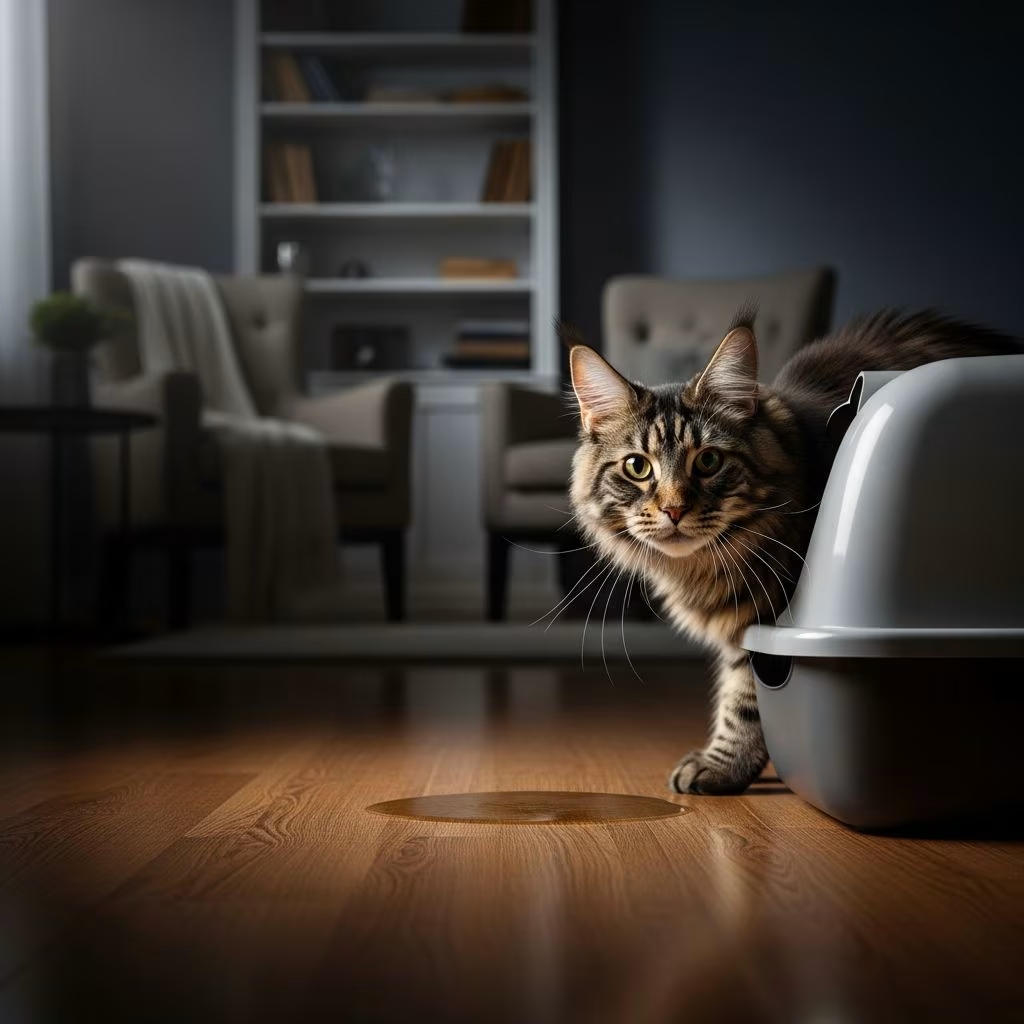
Cats are fastidious creatures known for their cleanliness, so discovering urine puddles on your bed, couch, or floor can be frustrating and baffling. Many cat owners assume their pet is acting out of revenge after a scolded session or ignored playtime. However, cats do not pee outside the litter box out of spite. This behavior stems from underlying medical conditions, environmental stressors, or litter box aversions rather than malice or punishment. Understanding these root causes is crucial for resolving the issue humanely and effectively, preventing escalation into chronic house soiling.
In this comprehensive guide, we’ll explore why cats deviate from litter box use, debunk myths, and provide actionable steps backed by veterinary insights. Early intervention often restores normal habits quickly, sparing your home from odors and your cat from discomfort.
Why Do Cats Pee Outside the Litter Box?
Inappropriate elimination affects up to 10% of cats at some point, signaling distress rather than defiance. Cats associate the litter box with comfort and privacy; avoidance indicates something disrupts this instinct. Common triggers fall into medical, behavioral, and environmental categories. A veterinary check is always the first step to rule out health issues, as untreated conditions worsen rapidly.
- Medical urgency overrides litter training: Painful urination prompts cats to seek soft, accessible spots like beds.
- Stress amplifies instincts: Urine marking comforts via pheromones during upheaval.
- Litter dissatisfaction: Cleanliness standards unmet lead to alternative sites.
Litter Box Aversion: When the Box Becomes Unappealing
Litter box aversion occurs when cats reject their designated toilet due to dissatisfaction. Cats bury waste meticulously to hide scents from predators, so any deviation prompts relocation.
Unclean Litter Box
Cats detest soiled litter boxes teeming with waste. As obligate neatniks, they avoid urine-soaked or feces-laden substrates, opting for fresh carpets or bedding instead. Scoop daily and fully change clumping litter weekly; non-clumping requires more frequent total replacements. Multiple cats demand one box per cat plus one extra to prevent territorial disputes. Overcrowding breeds resentment, mimicking ‘spite’ but rooted in hygiene.
Litter Type or Box Issues
Sudden switches to scented, crystal, or pine litters irritate sensitive paws or noses. Prefer unscented, fine-clumped clay that mimics soil. Box size matters—cats need thrice their length for comfortable squatting. Covered boxes trap odors, deterring use; opt for open, high-sided models. Placement in quiet, low-traffic areas enhances appeal, away from food and noisy appliances.
Surface Preference
Some cats favor textures like bath mats, laundry piles, or cool tiles over litter. This preference solidifies if reinforced by past success. Transition gradually by mixing preferred substrate into litter, rewarding box use with treats.
Stress: Environmental and Social Triggers
Cats thrive on routine; disruptions provoke stress responses, including urine spraying or puddling. Unlike spite, this communicates unease via pheromones, seeking security on owner-scented fabrics.
- New household members: Babies, partners, or pets introduce competition for resources.
- Relocation or renovations: Unfamiliar smells and noises unsettle territories.
- Absences: Owner travel triggers separation anxiety.
Observe for signs like hiding, aggression, or overgrooming alongside soiling. Pheromone diffusers (Feliway) mimic facial marks, calming nerves. Enrich environment with vertical spaces, toys, and play to rebuild confidence.
Medical Issues: Rule Out Health Problems First
Up to 70% of litter box issues trace to medical causes, making vet visits non-negotiable. Symptoms like straining, blood in urine, or frequent small voids demand immediate care to avert blockages, especially in males.
| Condition | Symptoms | Why It Causes Soiling |
|---|---|---|
| Urinary Tract Infection (UTI) | Frequent attempts, straining, blood | Bladder irritation creates urgency; litter box associated with pain |
| Urinary Stones/Crystals | Painful urination, hematuria | Inflammation prompts avoidance of gritty litter for soft surfaces |
| Diabetes | Increased thirst/urination | Excess urine volume overwhelms box access |
| Kidney Disease | Polydipsia, weight loss | Impaired concentration leads to frequent needs |
| Bladder Tumor (Rare) | Persistent urgency, blood | Pain and inflammation drive preference for convenient spots |
| Arthritis (Seniors) | Limping, reluctance to jump | Hard access to box; prefers low beds |
| Cognitive Dysfunction | Disorientation, vocalizing | Forgets box location in older cats (>10 years) |
| Idiopathic Cystitis | Sudden flares, stress-linked | Bladder inflammation without infection |
Diagnosis via urinalysis, bloodwork, imaging ensures targeted treatment like antibiotics, diet changes, or pain relief. Delays risk life-threatening urethral obstruction.
How to Stop Your Cat from Peeing Outside the Litter Box
Combine vet clearance with behavioral tweaks for 90% resolution rates.
- Clean thoroughly: Enzymatic cleaners neutralize odors; ammonia mimics urine, inviting repeats.
- Optimize setup: Add boxes in multiple locations; experiment with litters.
- Reduce stress: Pheromones, consistent routines, interactive play (15 mins daily).
- Confine during treatment: Limit to bathroom with box for positive reinforcement.
- Monitor progress: Track incidents; consult behaviorist if persistent.
Prescription diets (e.g., urinary health formulas) prevent crystal recurrence post-treatment. Patience yields results—most cats retrain within weeks.
Frequently Asked Questions (FAQs)
Do cats pee on the bed to spite you?
No, bed peeing signals medical pain or stress; soft surfaces comfort irritated bladders.
How do I know if it’s medical or behavioral?
Sudden onset, straining, or lethargy points to medical; vet rules it out first.
Will neutering stop spraying?
Yes, 90% effective for urine marking in intact cats; combine with stress reduction.
What if multiple cats are involved?
Provide ample resources; pheromone therapy aids harmony.
Can diet fix urinary issues?
Specialized wet foods increase moisture, dissolving crystals; vet-recommended only.
Final Thoughts
Your cat’s out-of-box peeing isn’t personal—it’s a cry for help from medical woes, stress, or unmet needs. Prioritize veterinary evaluation to exclude UTIs, stones, or systemic diseases, then tailor environmental fixes. With diligence, most cats reclaim litter loyalty, fostering a harmonious home. Persistent cases warrant a certified behaviorist. Clean, enrich, and empathize—your feline will thank you with purrs, not puddles.
References
- 10 Reasons Why Your Cat Is Peeing on the Bed and How To Stop It — PetMD. 2023. https://www.petmd.com/cat/behavior/cat-peeing-on-the-bed
- Cat Behavior Problems – House Soiling — VCA Animal Hospitals. 2023. https://vcahospitals.com/know-your-pet/cat-behavior-problems-house-soiling
- Feline Behavior Problems: House Soiling — Cornell University College of Veterinary Medicine. 2023. https://www.vet.cornell.edu/departments-centers-and-institutes/cornell-feline-health-center/health-information/feline-health-topics/feline-behavior-problems-house-soiling
- Do Cats Pee Out of Spite? Behavior & Possible Causes Explained — Catster. 2023. https://www.catster.com/cat-behavior/do-cats-pee-out-of-spite/



